Getting Started with Indoor Seed Germination
Starting vegetable seeds indoors is a rewarding endeavor that can lead to a bountiful garden come spring. Imagine the excitement of nurturing tiny seedlings and eventually watching them flourish into robust plants, ready to produce fresh vegetables for your table. For many gardeners, this process begins well before the last frost date. Knowing the right techniques and timing can make all the difference.
This guide will walk you through everything you need to know about starting vegetable seeds indoors, including essential equipment, seed selection, and care methods. You’ll understand how to optimize your indoor growing environment, ensuring your seedlings thrive.

Burpee
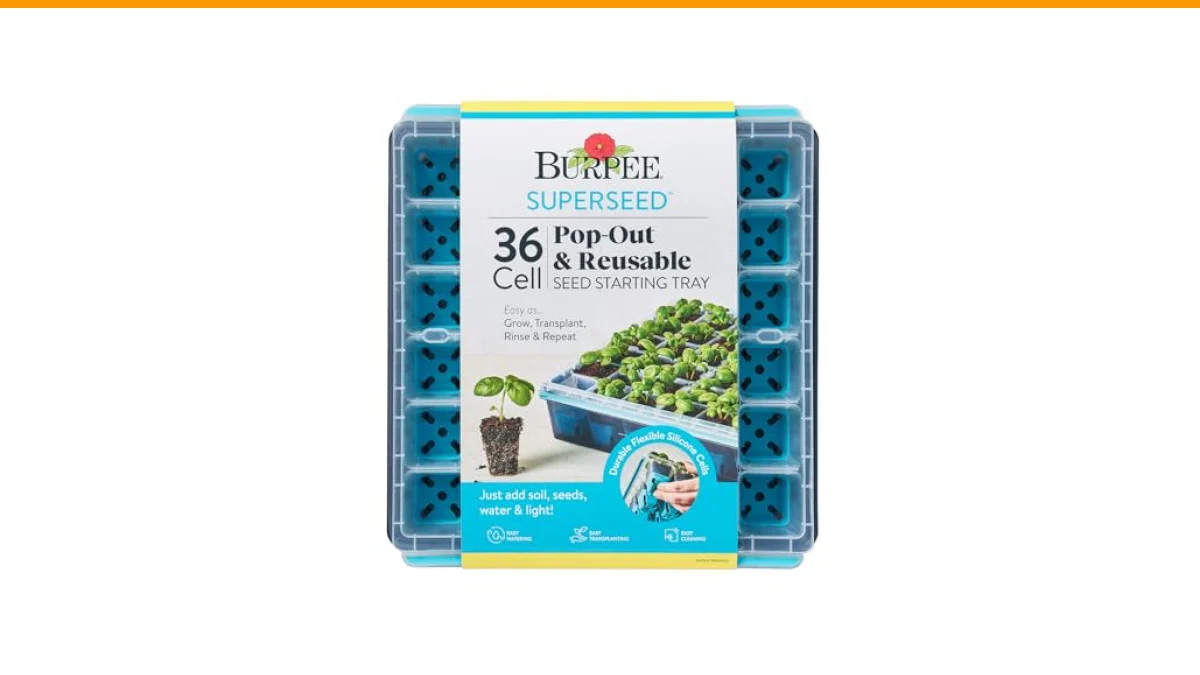
Burpee SuperSeed 36-Cell Reusable Seed Starting Tray for Indoor Seedlings | Flexible silicone cells pop out seedlings for easy transplanting. Ideal for starting vegetable, flower and herb seeds indoor.
- EASIER SEED STARTING: Our Burpee SuperSeed tray with 36 flexible pop-out cells is designed to simplify indoor seed starting for al…
- SMARTER WATERING SYSTEM: Molded corner slots in each cell improve drainage and soil aeration to set your seeds up for germination…
- SIMPLER TRANSPLANTING: Soft food-grade silicone cells cradle seedlings and gently flex to pop out when it’s time to transplant int…
The Burpee SuperSeed 36-Cell Reusable Seed Starting Tray is an excellent tool to simplify the process. With 36 flexible pop-out cells, it helps you start multiple seeds with ease. The design promotes better drainage and makes transplanting straightforward, which is crucial for healthy seedling development.
Choosing the Right Seeds and Timing
What seeds should you start indoors? Certain plants, like tomatoes and peppers, require an early start to reach their full potential. Here’s a general guide for when to start popular vegetables:
- Tomatoes: 6-8 weeks before the last frost
- Pepper: 8-10 weeks before the last frost
- Broccoli: 6-8 weeks before
- Herbs (like basil): 6-8 weeks before
Always check the specific seed packet for detailed instructions. Some seeds need a longer germination period, while others may do better when directly sown outdoors.
Setting Up Your Indoor Growing Environment
How do you create the best conditions for seed germination? Start by selecting a location with adequate light. Natural sunlight is ideal, but if that’s not an option, consider using grow lights. The right spectrum and intensity will promote healthy growth. For more tips on lighting, check out our article on best lights for starting seeds indoors.
Temperature also plays a significant role. Most seeds germinate best in temperatures between 65°F and 75°F (18°C to 24°C). You can use a seed starting mat to maintain warmth, especially for heat-loving plants.
Watering and Caring for Your Seedlings
What about watering? The key is to keep the soil consistently moist but not soggy. Overwatering can lead to damping-off disease, which can kill your seedlings. It’s essential to use a seed starting mix that provides good drainage and aeration. The Burpee SuperSeed tray’s design helps prevent oversaturation, making it easier to manage moisture levels.
As seedlings grow, they’ll need nutrients. Use a diluted liquid fertilizer every couple of weeks once they develop their first true leaves. Maintain an eye on light levels and adjust as necessary as your plants grow taller.
Comparing Seed Starting Options
| Method | Pros | Cons |
|---|---|---|
| Seed Starting Tray | Space-efficient, easy to manage moisture | Can be pricey for larger quantities |
| Peat Pellets | Biodegradable, easy transplanting | May dry out quickly |
| Soil Blocks | Reduces transplant shock, reusable | Requires extra equipment |
| Paper Towel Method | Good for germinating hard seeds | Not suitable for all plant types |
FAQs About Starting Vegetable Seeds Indoors
1. How long does it take for seeds to germinate indoors?
Germination time varies by seed type. Some seeds, like lettuce, can sprout in as little as 7 days, while others, like peppers, may take 2-3 weeks.
2. Do I need a special light for seedlings?
While natural light can work, using grow lights ensures your seedlings receive the proper light spectrum for healthy growth, especially during cloudy days.
3. Can I use regular potting soil for starting seeds?
Regular potting soil is often too dense for seed starting. A seed starting mix is lighter and promotes better drainage and root development.
4. How do I know when to transplant my seedlings?
Transplant when seedlings develop 2-3 sets of true leaves and are sturdy enough to handle. Harden them off by gradually exposing them to outdoor conditions before transplanting.
5. What should I do if my seeds don’t germinate?
Check that your seeds are fresh and that you provided the right conditions. If everything seems correct, consider reseeding or trying a different method, like the paper towel method for germination.
Closing Thoughts on Starting Vegetable Seeds Indoors
- Select the right seeds based on your region’s growing season.
- Use a quality seed starting tray like the Burpee SuperSeed for better results.
- Maintain optimal temperature and lighting conditions for germination.
- Keep soil moist but avoid overwatering.
- Use a diluted fertilizer once seedlings have true leaves.
- Transplant carefully after hardening off seedlings.
- Explore additional resources, such as starting seeds indoors with grow lights, for more tips.