The growing season is winding down, and as the first frost approaches, many gardeners find themselves wondering how to properly prepare their gardens for winter. The thought of a dormant garden can feel disheartening, but preparing your garden for the colder months is essential for its health and vitality come spring. A well-prepared garden not only enhances aesthetic appeal but also protects your plants and soil from harsh winter conditions.
In this guide, you’ll learn practical steps to put your garden to bed for winter, ensuring your plants are nurtured and your soil remains fertile. You’ll walk away with the knowledge to protect both perennial and annual plants and make informed decisions on cover crops and other winter preparations.

TnT Seed Company
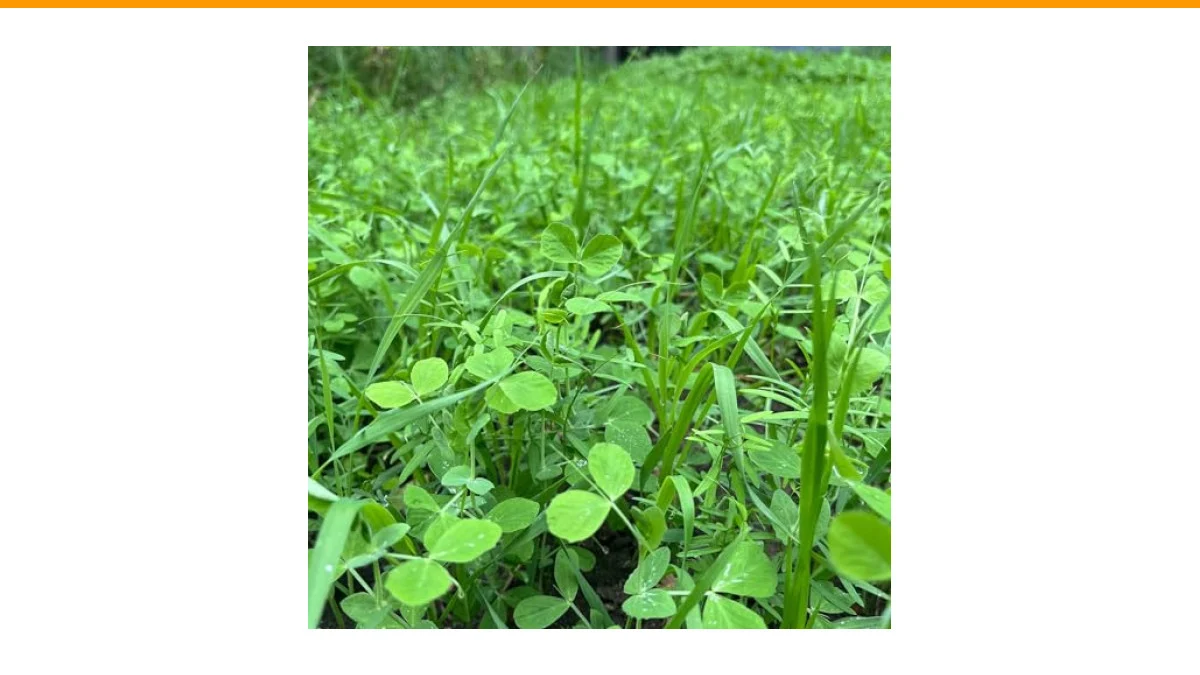
TnT Seed Company Peas, Oats, Vetch Garden Cover Crop Mix Seeds for Planting - 1 lb Bag - Improves Soil Health, Weed Suppression, Nitrogen Fixation, Increases Biomass
- 1 Bag (1 LB) Seeds 600–750 SQ FT
- IMPROVES SOIL HEALTH & FERTILITY: Helps fix nitrogen, add organic matter, and improve soil structure for better growing conditions…
- FAST GROWING COVER FOR SPRING & FALL: Establishes quickly to protect bare soil, suppress weeds, and improve soil between planting…
One effective strategy for winter preparation involves planting cover crops. The TnT Seed Company Peas, Oats, Vetch Garden Cover Crop Mix Seeds is a great option. This mix improves soil health, suppresses weeds, and provides nitrogen fixation, making it a valuable addition to your winter garden care routine.
Understanding the Importance of Winter Preparation
Why does putting your garden to bed for winter matter? Proper preparation helps protect your plants, conserves soil nutrients, and prevents erosion. Many gardeners overlook this step, assuming their plants can survive the winter on their own. However, winter can be harsh, and without proper care, plants may suffer or die, and soil can degrade.
Here are a few reasons to prioritize winter preparation:
- Plant Protection: Insulating plants from frost damage is critical for perennials.
- Soil Health: Maintaining soil structure and nutrient levels can improve yield in the next growing season.
- Weed Control: Cover crops can suppress weeds, making spring planting easier.
Steps to Effectively Put Your Garden to Bed
Ready to get started? Here’s a straightforward process to follow:
- Clean Up the Garden: Remove dead plants, weeds, and debris. This helps reduce pests and diseases that can overwinter in the garden.
- Mulch: Apply a layer of mulch (3-4 inches) around plants and on bare soil. Mulch maintains soil temperature and moisture.
- Plant Cover Crops: Consider planting a cover crop like the TnT Seed Company mix. This will improve soil health and provide winter protection.
- Watering: Ensure your garden is adequately watered before the ground freezes. Moist soil holds heat better than dry soil.
- Protect Vulnerable Plants: Use row covers or burlap to insulate tender plants from harsh winter weather.
Comparing Winter Preparation Methods
| Method | Benefits | Challenges |
|---|---|---|
| Mulching | Retains moisture, insulates soil | Requires periodic replenishing |
| Cover Crops | Improves soil health, reduces weeds | Requires planting and maintenance |
| Row Covers | Protects sensitive plants from frost | Can be damaged by wind |
| Soil Amendments | Enhances soil nutrients for spring | May take time to decompose |
Frequently Asked Questions
How do I protect my perennials during winter?
Mulching around the base of perennials helps insulate the roots. You can also cut back dead foliage but leave some height to protect the crowns.
What is the best time to put my garden to bed?
The best time is after the first frost but before the ground freezes, usually in late fall. This timing allows you to clean up and prepare the garden effectively.
Can I plant cover crops in the fall?
Absolutely! Fall is an ideal time for cover crops. They establish quickly and provide multiple benefits over the winter months.
What mulch is best for winter protection?
Organic options like straw, shredded leaves, or wood chips work well. They decompose over time, enriching the soil while protecting it.
Will my garden survive the winter without preparation?
While some hardy plants might survive, many can suffer without proper winter care. Preparing your garden helps ensure its health for the next growing season.
Final Thoughts on Winterizing Your Garden
- Clean up debris to prevent diseases.
- Use a thick layer of mulch for insulation.
- Consider planting cover crops for soil health.
- Water your garden to retain moisture.
- Protect vulnerable plants with covers.
- Monitor for pests throughout winter.
- Start planning for spring planting early.
Taking these steps to put your garden to bed for winter will set you up for a thriving garden next season. For more related insights, check out our article on preparing garden beds for winter and explore essential tools in our guide on garden tool organizers.