Essential Winter Garden Maintenance Tasks
Contents
As the last leaves fall and temperatures dip, many gardeners begin to wonder what winter means for their beloved gardens. While some may think winter is a time for gardens to lie dormant, savvy gardeners know this season is crucial for preparing their outdoor spaces for spring. With the right winter garden maintenance tasks, you can protect your plants, maintain soil health, and ensure a vibrant garden when warmer weather returns.
This article will equip you with the essential winter garden maintenance tasks. You’ll learn specific actions to take for different types of plants, how to care for your tools, and tips to keep your garden thriving through the cold months. Plus, I’ll introduce a durable garden tools set that can help you tackle these tasks with ease.

Craft911
Heavy Duty Gardening Tools - Gardening Gifts for Women, Men, Mom, Dad - Durable, Ergonomic Garden Tools Set (Green)
- IDEAL GIFTS FOR MEN, WOMEN - Our gardening tools set is the ultimate gift for any men women who loves to garden. Including rust-pr…
- A COMPLETE GARDEN TOOL SET - A durable garden tools set is all you need for your gardening.
- PREMIUM GARDEN TOOLS - Our gardening tool set comes with a Spray Bottle, Shovel, Crack Weeder, Hand Rake, Weeder, Pruner, 15 Plant…
The Heavy Duty Gardening Tools set from Craft911 is an excellent addition to your gardening supplies. With ergonomic designs and rust-proof materials, these tools will make your winter garden maintenance tasks more comfortable and efficient.

1. Protecting Perennials and Shrubs
Winter can be harsh on perennials and shrubs. The first step in winter garden maintenance is applying mulch around these plants. A layer of organic mulch, about 2-4 inches thick, insulates the soil and helps retain moisture. This is especially important for newly planted perennials that are still establishing their root systems.
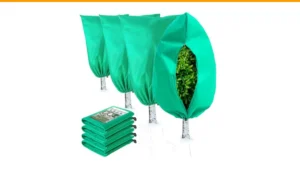
Additionally, consider wrapping sensitive plants with burlap or using protective covers to shield them from harsh winds and freezing temperatures. For example, tender shrubs like hydrangeas can benefit from this protection. Just make sure to leave some space for air circulation to prevent mold growth.
2. Managing Your Garden Soil
Healthy soil is the foundation of any garden. Winter is a great time to improve the quality of your soil through a few key tasks. Start by testing the soil pH. If it’s too acidic or alkaline, you can amend it with lime or sulfur, respectively. This process typically takes several months, so it’s best to address it early.
Moreover, consider adding organic matter such as compost or well-rotted manure. Spread a layer over your garden beds before the ground freezes to enrich the soil. This will enhance its structure and nutrient content, giving spring plants a strong start.
3. Cleaning and Caring for Tools
Winter garden maintenance tasks also include taking care of your tools. Clean all your gardening tools to prevent rust and damage. A simple mixture of soap and water followed by drying will suffice. Pay special attention to the blades of pruners and shears; these should be sharpened to ensure they’re ready for spring.
After cleaning, store your tools in a dry place. A heavy-duty garden bag, like the one included in the Craft911 set, can keep your tools organized and protected from moisture. This proactive step can save you time and money in the long run.
4. Planning for Spring
While winter might seem quiet, it’s the perfect time to plan for your spring garden. Review what worked well in the past year and sketch out new ideas. Consider crop rotation for vegetable gardens, as this helps prevent soil depletion and pest build-up. Planning what to plant where can make a significant difference in your garden’s productivity.
Additionally, order seeds and bulbs early. This ensures you’ll have what you need when the planting season arrives. Make a list of any new tools or supplies you might require and purchase them before the rush begins in spring.
| Task | Frequency | Notes |
|---|---|---|
| Mulching perennials | Once per winter | 2-4 inches of organic mulch |
| Soil testing | Every 1-2 years | Amend as necessary |
| Tool cleaning | After each use | Prevent rust and damage |
| Planning garden layout | Once per winter | Incorporate lessons from the past season |
What should I do with my garden beds in winter?
Garden beds should be cleaned of debris, and a layer of mulch added to protect the soil. Consider planting cover crops if the growing season allows.
How can I protect my plants from frost?
Use frost cloths or burlap to cover sensitive plants. You can also create a makeshift greenhouse effect using plastic sheeting.
Is it too late to plant bulbs in winter?
It depends on your climate. In milder regions, you can still plant bulbs if the ground is not frozen. However, it’s best to plant them before the first hard freeze.
How often should I water my garden in winter?
Watering should be minimal in winter, usually only when the soil is dry. Monitor your plants’ needs, especially if they are in containers.
Do I need to prune my trees in winter?
Winter is often a good time for pruning many trees and shrubs. This helps shape them and can improve their growth in spring.
Final Thoughts for Winter Garden Maintenance
- Apply mulch around perennials and shrubs.
- Test and enrich your soil with organic matter.
- Clean and properly store your gardening tools.
- Plan your spring garden layout now.
- Order seeds and bulbs early to avoid last-minute rushes.
- Monitor moisture levels for winter plants.
- Consider frost protection for sensitive plants.
Taking these winter garden maintenance tasks seriously will set you up for a fruitful gardening season ahead. Embrace the quiet time of winter to prepare and protect your outdoor oasis.