

How to Prepare a Lawn for Winter: A Comprehensive Guide
Contents
As the days grow shorter and temperatures drop, lawn care often takes a back seat in many homeowners’ minds. However, winter preparation is crucial for maintaining a healthy lawn. Properly preparing your lawn for winter not only protects it from harsh conditions but also sets the stage for a lush, green revival in spring. This article will guide you through the essential steps to winterize your lawn effectively.
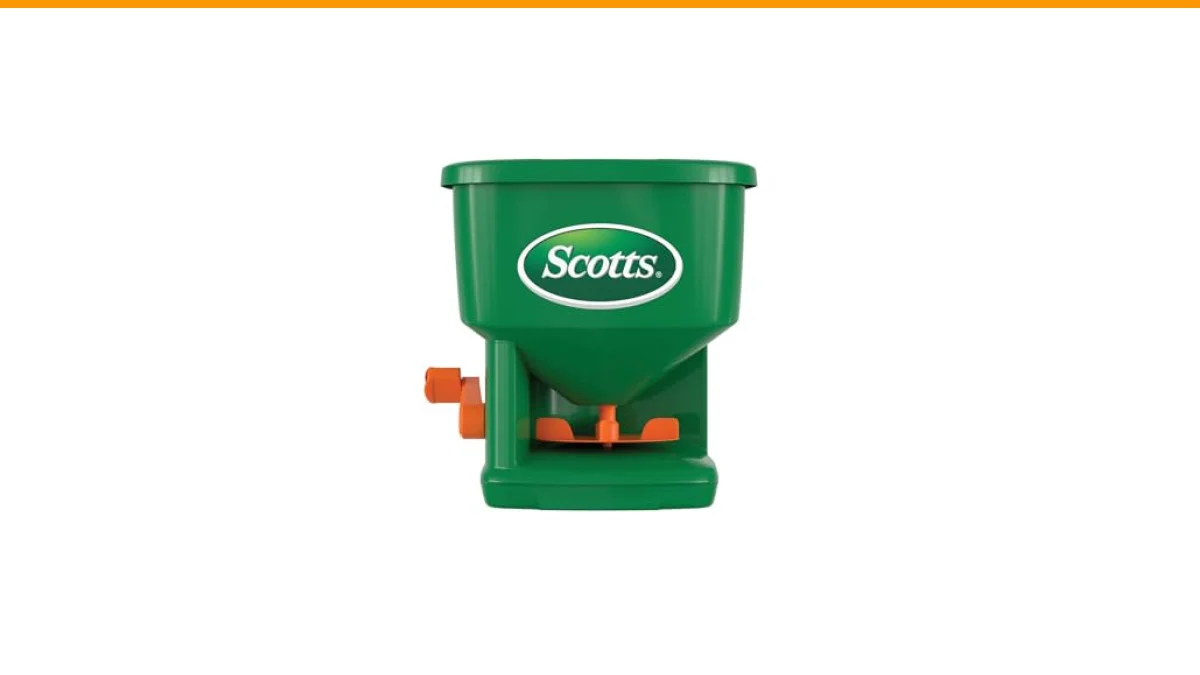
You’ll discover practical methods for lawn care, including mowing, aeration, fertilization, and seeding. Each step plays a significant role in ensuring your grass survives the winter months and flourishes in the warmer seasons. For those looking for a reliable tool to aid in the preparation process, consider the Scotts Whirl Hand-Powered Spreader. This hand-held spreader is perfect for distributing seed, fertilizer, or ice melt across smaller yards, ensuring even coverage and maximum comfort.

Scotts
Scotts Whirl Hand-Powered Spreader
- OPERATION: Adjustable arm support on this seed, salt and fertilizer spreader helps provide maximum comfort
- HAND-HELD SPREADER: Perfect hand-held fertilizer, salt and seed spreader for small yards
- CAPACITY: A seed, fertilizer and salt spreader that holds up to 1,500 sq. ft. of Scotts lawn products for year-round lawn care
Mow Your Lawn Shorter
As summer ends, gradually lower your mowing height. Aim for a final cut of about 2 to 3 inches. This height helps reduce the risk of disease and discourages pests from taking refuge in your grass. Leaving the grass too long can trap moisture, leading to mold and other issues.
Aerate the Lawn
Aeration is vital for winter lawn preparation. This process involves perforating the soil with holes to improve air circulation, water absorption, and nutrient penetration. Aerate your lawn in early to mid-fall when the grass is still actively growing. Use a core aerator that removes plugs of soil rather than just poking holes. This method encourages deeper root growth, which is crucial for withstanding winter stress.
Fertilize for Winter Resilience
Applying a winter fertilizer is essential to prepare your lawn for the cold months ahead. Use a product high in potassium, which helps strengthen the grass and improve drought resistance. Apply the fertilizer about four weeks before the first expected frost. Typically, this means late October to early November in many regions. Consider a slow-release formula to provide nutrients over time.
Seed Your Lawn
If your lawn has bare patches or thin areas, overseeding in the fall can help. Choose a grass seed appropriate for your region and the existing grass type. Spread the seed evenly over the bare areas, and then lightly rake it into the soil to ensure good seed-to-soil contact. Water regularly until the new grass establishes itself, ensuring it’s well-prepared for winter.
| Method | Purpose | Timing | Tools Needed |
|---|---|---|---|
| Mowing | Reduces disease risk | Late fall | Lawn mower |
| Aeration | Improves soil health | Early to mid-fall | Core aerator |
| Fertilization | Strengthens grass | 4 weeks before frost | Fertilizer spreader |
| Overseeding | Fills bare patches | Early fall | Seed spreader |
What is the best way to mulch my lawn for winter?
Mulching involves leaving grass clippings on the lawn after mowing. This practice returns nutrients to the soil and helps protect the grass roots from freezing temperatures. Ensure clippings are finely chopped to avoid smothering the grass.
How often should I water my lawn in the fall?
Water your lawn every 10 to 14 days during fall if rainfall is insufficient. Grass roots need moisture to thrive, especially after aeration and overseeding. Adjust based on local weather conditions.
Is it too late to prepare my lawn for winter?
Preparation should ideally take place in late summer to early fall. However, if you missed this window, you can still take steps like mowing and fertilizing until the ground freezes.
Should I rake leaves off my lawn?
Yes, raking leaves is important. A thick layer of leaves can smother your grass, leading to mold and dead patches. Regular raking keeps your lawn healthy.
What temperature is too cold for lawn care?
Once temperatures consistently drop below 50°F, grass growth slows significantly. Focus on lawn care tasks such as mowing and fertilizing before this temperature threshold is reached.
Final Thoughts for Winter Lawn Preparation
- Mow your lawn shorter before winter.
- Aerate to improve soil health.
- Fertilize with a potassium-rich product.
- Overseed to fill in bare patches.
- Regularly check moisture levels.
- Rake leaves to prevent smothering.
- Use tools like the Scotts Whirl Hand-Powered Spreader for even coverage.
Taking these steps will help your lawn survive the winter and come back strong in the spring. For further details on fertilization or lawn care tools, check out our article on winter fertilizer options and manual lawn aerators.


