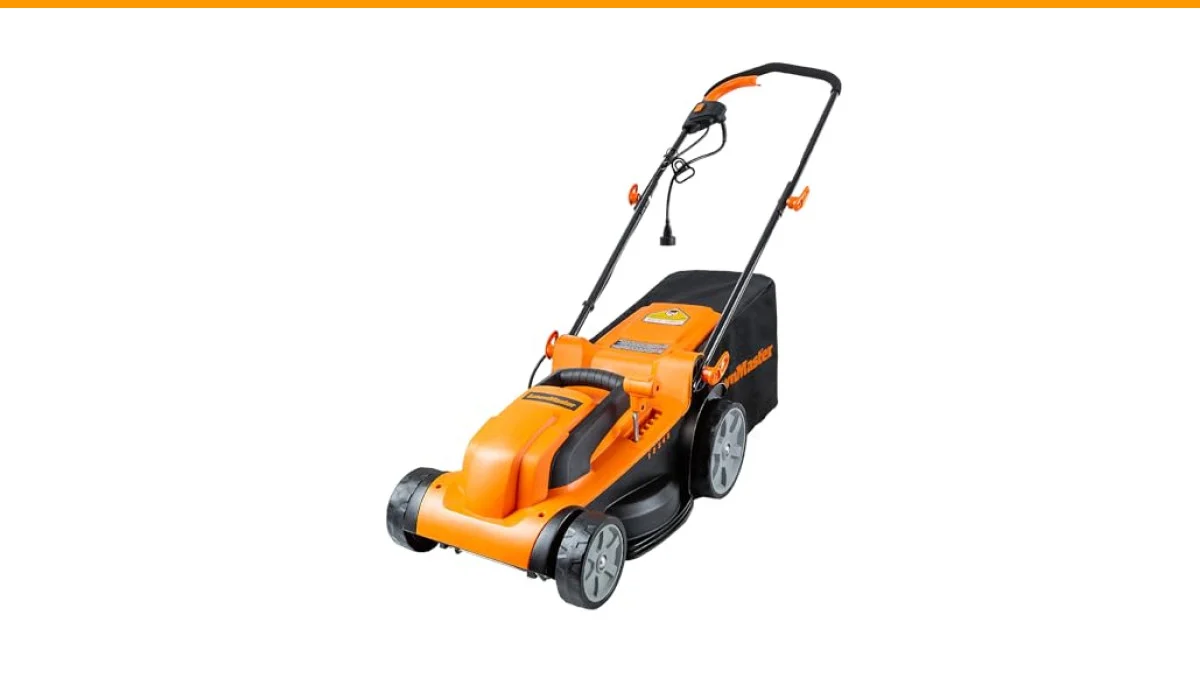
Summer can be both a beautiful and challenging time for your lawn. As temperatures rise and rainfall patterns shift, the demands on your grass change significantly. You might find yourself staring out at your yard, wondering how to keep it healthy and vibrant through the heat. Fortunately, with the right preparation, your lawn can flourish despite the summer heat.
This article will guide you through essential steps to prepare your lawn for summer. You’ll learn about soil care, proper mowing techniques, effective watering strategies, and how to use the right tools for maintenance. By following these steps, your lawn will not only survive the summer but thrive in it.
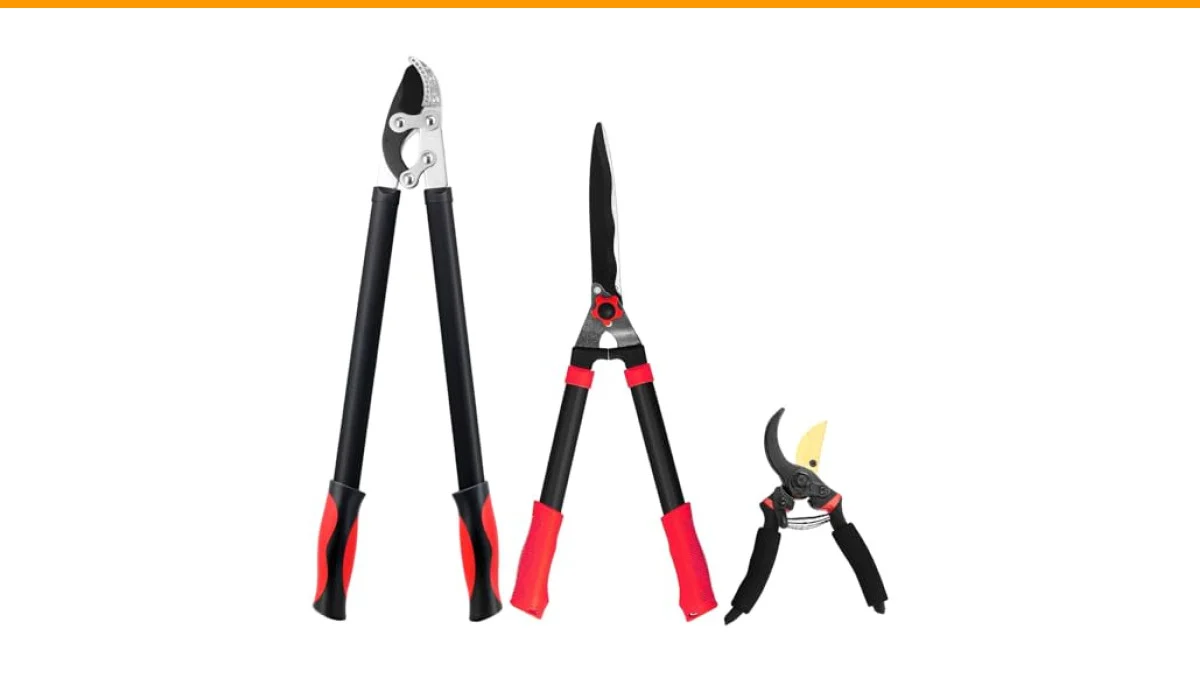
One tool that can significantly help in maintaining your lawn is the YRTSH Loppers, Hedge Shears & Pruners Combo Set. This set includes a variety of tools that make pruning and trimming tasks easier, allowing you to keep your shrubs and bushes in check while focusing on your grass.
Assess Your Lawn’s Current Condition
Before you dive into summer preparations, evaluate your lawn’s health. Look for signs of disease, pest infestations, or areas that have thinned out. Identifying these issues early can prevent bigger problems later. Check for:
- Color: Yellowing grass may indicate nutrient deficiencies or over-watering.
- Texture: Uneven or patchy areas could signal pests or diseases.
- Weeds: Weeds compete with your grass for nutrients and water.
A healthy lawn typically has a vibrant green color and a dense texture. If you notice any issues, consider addressing them before moving onto other steps.
Soil Preparation and Aeration
Healthy soil is the foundation of a thriving lawn. Aerating your lawn before summer helps relieve soil compaction, allowing air, water, and nutrients to reach the roots more effectively. The best time to aerate is in early summer, ideally when the soil is moist but not waterlogged.
To aerate, use a manual or powered aerator that removes small plugs of soil. Aim for about 15 to 20 holes per square foot. This promotes deeper root growth and improves overall lawn health. After aeration, consider applying a top dressing of compost or soil amendments to provide essential nutrients.
Optimal Mowing Practices
Mowing is crucial for maintaining a healthy lawn. During summer, grass should be kept at a height of about 3 to 4 inches. Longer grass blades provide shade to the roots, reducing water evaporation and promoting deeper root growth. Here are key mowing tips:
- Keep Blades Sharp: Dull blades tear at the grass rather than cut cleanly, leading to stress.
- Change Mowing Patterns: Altering your mowing direction each time helps prevent soil compaction and promotes upright growth.
- Leave Clippings: Grass clippings can serve as a natural fertilizer, returning valuable nutrients to the lawn.
Watering Strategies for the Summer Heat
Watering is one of the most critical aspects of lawn care in summer. A general rule is to provide about 1 to 1.5 inches of water per week, either through rainfall or irrigation. Here are some effective watering strategies:
- Time of Day: Water early in the morning to minimize evaporation and fungal diseases.
- Deep Watering: Water deeply and infrequently to encourage deep root growth. This means watering for longer periods, less often.
- Soil Moisture Check: Use a soil moisture meter or stick your finger into the soil. If it’s dry 1-2 inches down, it’s time to water.
Consider installing a drip irrigation system or soaker hoses for efficient watering, especially in flower beds or areas with new grass.
| Method | Pros | Cons |
|---|---|---|
| Aeration | Increases nutrient uptake, reduces soil compaction | Requires equipment, time-consuming |
| Regular Mowing | Promotes density, reduces weed growth | Needs frequent maintenance, can stress grass if done improperly |
| Deep Watering | Encourages deep roots, water efficiency | Requires planning, potential over-watering risk |
How often should I water my lawn in summer?
You should aim for about 1 to 1.5 inches of water per week, adjusting based on rainfall and temperature.
What is the best time to mow my lawn?
The best time to mow is early morning or late afternoon when temperatures are cooler and grass is less stressed.
How can I tell if my lawn needs aeration?
If your lawn feels spongy or has poor drainage, it’s a good indicator that aeration is needed.
Is it better to leave grass clippings on the lawn?
Yes, leaving clippings can return nutrients to the soil and reduce the need for additional fertilizer.
What tools do I need for lawn maintenance?
Essential tools include a reliable lawn mower, aerator, rake, and pruning shears like the ones in the YRTSH combo set.
Final Thoughts for a Thriving Summer Lawn
- Assess your lawn’s health before summer.
- Aerate your lawn to promote nutrient uptake.
- Mow regularly and keep grass at 3-4 inches.
- Water deeply, aiming for 1-1.5 inches per week.
- Use sharp tools for trimming and pruning.
- Monitor for pests and diseases regularly.
- Consider adding mulch to flower beds for moisture retention.