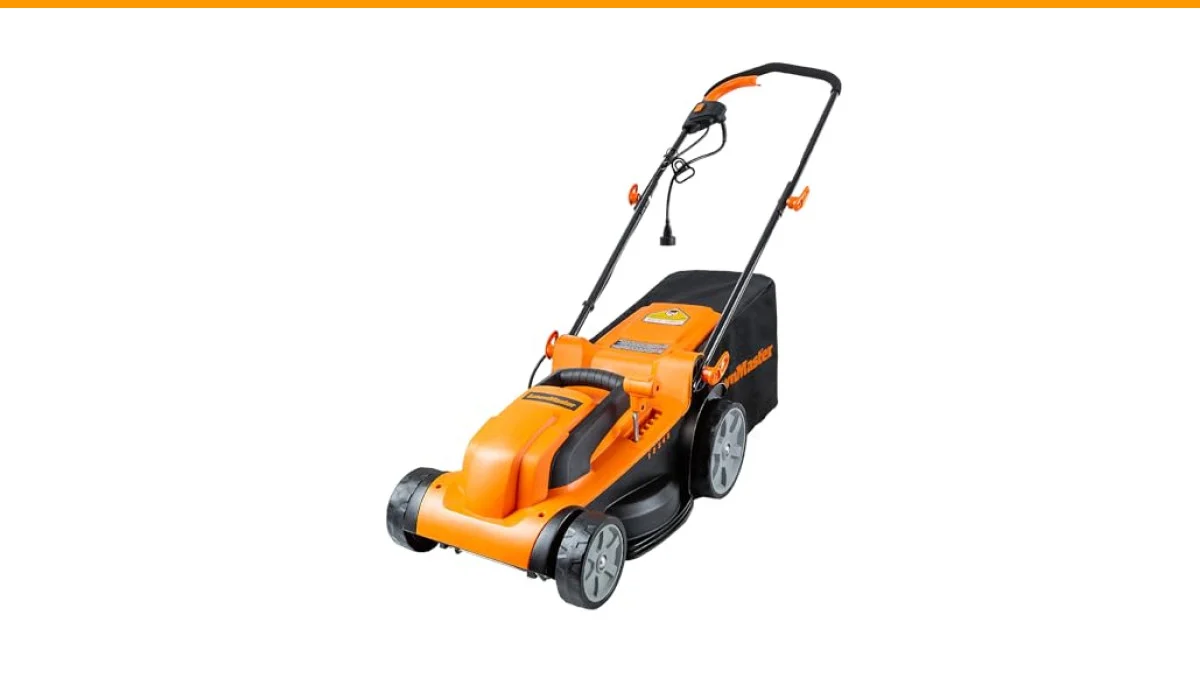
We’ve all been there: the sun is shining, your lawn is ready for a trim, and you fire up your mower only to find it choking on grass clippings, leaving you frustrated and stuck. Lawn mowers clogging is a common issue that can turn a simple task into a time-consuming ordeal. If you’re tired of dealing with this problem, you’re in the right place.
This guide will delve into the reasons why your lawn mower keeps clogging and provide practical solutions to help you get back to mowing without interruptions. By the end, you’ll know how to prevent clogs, maintain your mower effectively, and ensure a cleaner cut every time.

For dog owners who find themselves in similar situations, check out Why Does My Dog Do That: Fun and Love with Ivo. It’s a light-hearted read that shares insights into canine behavior, bringing some joy amid your yard work challenges.

Understanding Lawn Mower Clogs
Okay, but how much does this actually matter? Clogs can occur for several reasons, and understanding them can help you tackle the problem effectively.
- Grass Type: Thick, wet, or tall grass can easily clog your mower. Certain grass types, like Kentucky bluegrass, are denser and more prone to causing issues.
- Mower Condition: A dull blade can create jagged cuts, resulting in clippings that clump together and block the mower.
- Moisture: Mowing wet grass leads to increased clogging, as moisture makes clippings stick together.
Understanding these factors can save you time and reduce frustration, making it easier to enjoy your mowing sessions.
Choosing the Right Mower For Your Lawn
So how do you pick the right mower to avoid clogging? The choice of mower significantly affects performance. Here are some factors to consider:
- Type of Mower: Push mowers work well for smaller lawns, while riding mowers are best for larger areas. A riding mower will generally handle clogs better due to its power.
- Cutting Width: Wider mowers can handle more grass at once, reducing the chance of clumps forming.
- Mulching Capability: Mowers with mulching features chop clippings into finer pieces, reducing clogging.
Choose a mower that suits your lawn size and type of grass to minimize clogging. If you have a small lawn, consider options like best lawn mower for a small lawn.
Maintenance Tips to Prevent Clogging
What can you do to keep your mower in top shape? Regular maintenance is key. Here are some essential tips:
- Sharpen Blades: Keep mower blades sharp. Dull blades tear grass, making clippings clump. Aim to sharpen blades every 20-25 hours of use.
- Clean Deck: After each use, clean the mower deck to remove clippings and debris. A clean deck prevents buildup that leads to clogging.
- Check Air Filters: Dirty air filters can affect engine performance. Clean or replace them as needed to ensure optimal airflow.
- Adjust Cutting Height: Set your mower blade to a higher setting during wet conditions to avoid cutting too much grass at once.
These simple maintenance steps can go a long way in keeping your mower running smoothly.
Comparing Mower Types for Clogging Issues
How do different mower types stack up against clogging? Here’s a quick comparison:
| Mower Type | Clogging Potential | Best For |
|---|---|---|
| Push Mower | High (if wet grass) | Small, flat lawns |
| Self-Propelled Mower | Moderate | Medium-sized lawns |
| Riding Mower | Low | Large lawns |
| Robotic Mower | Very Low | Small to medium lawns |
Each mower type has its advantages and drawbacks. Knowing the best fit for your lawn can help reduce clogging issues.
Why does my lawn mower keep clogging?
This common issue is often due to mowing wet grass, using dull blades, or cutting too much grass at once.
What type of grass causes more clogging?
Thick or wet grasses, like Bermuda or Kentucky bluegrass, are more prone to clogging issues.
How can I tell if my mower blade is dull?
If your mower leaves a jagged cut or tears grass instead of cutting cleanly, it’s time to sharpen the blade.
Is it better to mow when the grass is dry?
Yes, mowing dry grass reduces clogging and provides a cleaner cut.
How often should I clean my mower deck?
After every use is ideal, especially if you’re mowing wet or thick grass.
Actionable Steps for a Smooth Mowing Experience
- Choose the right mower type for your lawn size.
- Keep mower blades sharp for clean cuts.
- Mow when grass is dry to reduce clumping.
- Clean the mower deck after each use.
- Adjust the cutting height based on grass conditions.
- Regularly check air filters and other components.
Implementing these strategies will help keep your lawn mower from clogging and make your mowing experience more enjoyable.