

How to Prepare a Lawn for Winter
Contents
As the days shorten and temperatures drop, many homeowners find themselves wondering how to prepare a lawn for winter. Picture this: you’ve nurtured your grass through the summer heat, yet fall leaves and frost are creeping in. What can you do to ensure your lawn not only survives but thrives come spring?
Preparing your lawn for winter involves a series of thoughtful steps that set the stage for healthy grass growth. In this article, you’ll learn specific actions to take, common misconceptions to avoid, and how to select the right products to ensure your lawn is ready for the cold months ahead.
Scotts
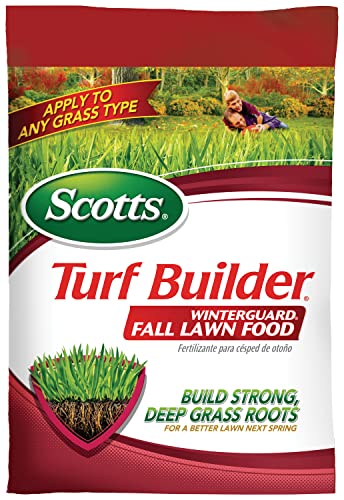
Scotts Turf Builder WinterGuard Fall Lawn Food, 10 lbs.
- FALL LAWN FERTILIZER: Scotts Turf Builder WinterGuard Fall Lawn Food is a fertilizer that builds strong, deep grass roots for a be…
- SUMMER LAWN RECOVERY: Our fertilizer provides nutrients lawns need to help recover from summer heat, drought, and regular activity…
- APPLY IN FALL TO PREPARE YOUR LAWN FOR WINTER: Apply this grass fertilizer to a wet or dry lawn in the fall
One key product to consider is Scotts Turf Builder WinterGuard Fall Lawn Food. This fertilizer is designed to strengthen grass roots, helping lawns recover from summer stress while preparing them for harsh winter conditions. It’s a versatile option suitable for any grass type, ensuring broad coverage across your lawn.
Timing is Everything
One of the most common misconceptions is that lawn care stops when temperatures drop. In reality, fall is the ideal time to prepare your lawn for winter. Aim to start the process in late September or early October, depending on your location. This gives your grass enough time to absorb nutrients and establish a strong root system before the ground freezes.
Fertilizing Correctly
Many homeowners think that fertilizing in the fall is unnecessary. However, applying a winter-specific fertilizer like Scotts Turf Builder WinterGuard can make a significant difference. This product contains higher potassium levels, which help strengthen roots and improve drought resistance. When applying, do so on a wet or dry lawn, ensuring even coverage. A 10 lb. bag covers around 4,000 sq. ft., which is sufficient for most residential lawns.
Proper Mowing
Another misconception is that grass should be left long for winter. In fact, it’s beneficial to lower your mowing height as the season progresses. Aim for a height of about 2.5 to 3 inches before the first frost. Shorter grass helps prevent snow mold and allows sunlight to reach the soil, promoting growth as temperatures begin to rise.
Addressing Leaves and Debris
Leaving leaves on your lawn can create a damp environment conducive to mold growth. Rake up fallen leaves regularly. If you prefer a more eco-friendly approach, consider mulching them with your mower. This returns nutrients to the soil and reduces waste.
Watering Needs
Watering before winter is essential but often overlooked. In dry spells, continue to water your lawn until the ground freezes. Aim for about an inch of water per week to keep the soil moist but not saturated, as overly wet conditions can lead to root rot.
| Method | Timing | Benefit |
|---|---|---|
| Fertilizing | Late September to early October | Strengthens roots for winter |
| Mowing | Adjust height in late fall | Prevents snow mold |
| Leaf Removal | Regularly throughout fall | Reduces mold risk |
| Watering | Until ground freezes | Keeps soil moist for root health |
How late can I fertilize my lawn in fall?
Fertilizing should be done before the first hard frost, typically by late October. Check your local forecast to time your application correctly.
Can I use summer fertilizer in fall?
No, summer fertilizers often lack the potassium needed for winter preparation. Use a winter-specific fertilizer for the best results.
What happens if I don’t winterize my lawn?
Neglecting winter preparation can lead to weak grass that struggles in spring. You may notice patchy growth, increased weeds, and even disease.
Is it necessary to aerate before winter?
Aerating can help, especially if your lawn is compacted. However, it’s not mandatory. If you do aerate, aim for early fall.
Can I leave my grass clippings on the lawn after mowing?
Yes, leaving clippings can provide nutrients back to the soil. Just ensure they’re not too thick to avoid smothering the grass.
Actionable Steps for Winter Lawn Preparation
- Start preparing your lawn in late September.
- Apply a winter fertilizer like Scotts Turf Builder WinterGuard.
- Mow to a height of 2.5 to 3 inches.
- Regularly remove leaves and debris.
- Continue watering until the ground freezes.
- Consider aerating if your lawn is compacted.
- Monitor weather conditions for optimal timing.
Following these steps can significantly enhance the health and resilience of your lawn as it heads into winter. With the right preparation, you’ll set your grass up for a lush and vibrant spring growth.


