
Heavy rain can wreak havoc on your lawn, leaving it soggy, uneven, and in some cases, entirely damaged. If you’ve ever looked out at your waterlogged yard after a downpour and felt a sense of despair, you’re not alone. Fortunately, with the right approach, you can restore your lawn to its former glory. This article provides actionable steps to help you assess damage, recover your grass, and prevent future issues.
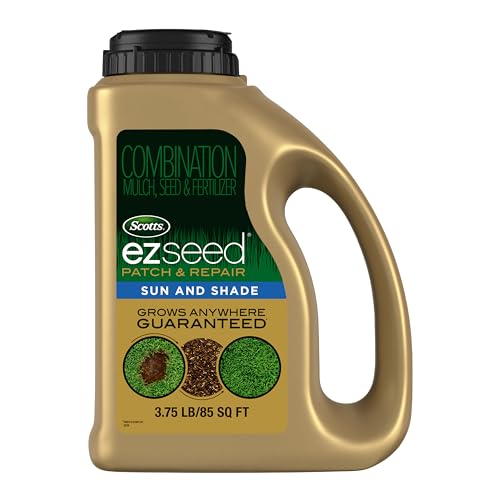
In this guide, you’ll learn how to assess your lawn’s condition, the best time to take action, and the methods to rejuvenate it. We’ll also introduce a helpful product, Scotts EZ Seed Patch & Repair, which simplifies the process of filling in bare spots and repairing lawn damage.
Scotts
Scotts EZ Seed Patch & Repair for Sun and Shade, 3.75 lbs. | Combination Mulch, Sun and Shade Grass Seed & Fertilizer for Bare Spots & Lawn Patch Repair, Covers up to 85 sq. ft.
- WHEN TO APPLY : This lawn seed mix of Kentucky bluegrass seed, perennial ryegrass, and fine fescue grass seed germinates best when…
- PATCH & REPAIR: Scotts EZ Seed Patch & Repair Sun and Shade is a revolutionary grass seeding product that makes grass patch repair…
- COVERAGE: One 3.75 lb. jug of EZ Seed Patch & Repair lawn grass seed mix covers up to 85 sq. ft. in 3 easy steps: prep the area, e…

Assessing Lawn Damage
Before you jump into restoration efforts, assess the extent of the damage. Here are steps to follow:
- Check for Waterlogging: Walk around your lawn. If you sink into the ground, you may have compacted soil or standing water.
- Inspect for Erosion: Look for areas where soil has washed away. This is common on slopes or in low-lying areas.
- Evaluate Grass Condition: Look for patches of dead grass or areas where grass has been displaced. Healthy grass should be green and resilient.
Taking note of these factors will help you determine the next steps and whether you need to reseed or simply aerate the soil.
When to Restore Your Lawn
Timing is crucial when restoring a lawn after heavy rain. Generally, the best time to take action is when the soil is no longer saturated, ideally within one to two weeks after the rain has stopped. Here are some guidelines:
- Wait until the grass is dry enough to mow, but don’t wait too long, as weeds may start to take hold.
- Consider the temperature. Grass seed typically germinates best when daytime temperatures are between 60°F and 80°F.
- Check the forecast for future rain. It might be wise to wait if more heavy rain is expected.
Restoration Steps
Once you’ve determined the timing, follow these steps to restore your lawn effectively:
- Remove Debris: Clear away any debris, including sticks and leaves, which could smother new growth.
- Aerate the Soil: Use a lawn aerator to alleviate compaction. Aeration improves drainage and allows air and nutrients to reach the roots.
- Seed the Damaged Areas: For bare or thin spots, use a quality grass seed mix. Scotts EZ Seed Patch & Repair is a good option, as it combines seed with mulch and fertilizer for improved results.
- Water Wisely: After seeding, water the areas lightly. Avoid overwatering, which can lead to more problems.
- Fertilize: Applying a balanced fertilizer can help promote healthy growth. Choose one with a slow-release formula to nourish the grass over time.
Following these steps will give your lawn a fighting chance to recover from heavy rain damage.
Considerations for Future Rain Events
To keep your lawn healthy during future heavy rains, consider these preventive measures:
- Improve Drainage: If your lawn tends to hold water, consider installing drainage solutions like French drains or swales.
- Choose the Right Grass: Opt for grass varieties that are more tolerant of wet conditions.
- Regular Maintenance: Keep the lawn mowed and healthy, and aerate routinely to prevent compaction.
| Method | Pros | Cons |
|---|---|---|
| Aeration | Improves drainage, promotes root growth | Labor-intensive, requires equipment |
| Seeding | Fills bare spots, enhances lawn density | Requires proper timing, can be weather-dependent |
| Fertilization | Boosts growth, improves resilience | Over-fertilization can harm the lawn |
Frequently Asked Questions
How long does it take to restore a lawn after heavy rain?
Restoration time varies based on the extent of damage and weather conditions. Generally, expect to see improvements within 2-4 weeks after reseeding.
Can I aerate my lawn after heavy rain?
Aeration is beneficial after heavy rain as it helps reduce compaction. Wait until the soil is no longer saturated.
Is it necessary to reseed after every heavy rain?
Not necessarily. If your grass is healthy and well-established, it may recover on its own. Reseeding is usually required if there are bare patches or significant damage.
What type of grass is best for areas prone to flooding?
Consider grass varieties like Tall Fescue or Kentucky Bluegrass, which are known for their resilience in wetter conditions.
How can I prevent lawn damage from heavy rain in the future?
Improve drainage, choose suitable grass types, and maintain your lawn regularly to reduce the risk of damage from heavy rain.
Quick Restoration Tips
- Assess damage promptly after rain.
- Remove debris before aerating.
- Use quality seed like Scotts EZ Seed for best results.
- Water lightly but regularly after seeding.
- Consider drainage solutions for the future.
- Stay consistent with lawn maintenance.
- Monitor weather forecasts for rain predictions.
With these steps, your lawn can bounce back stronger than ever. Take action swiftly, and enjoy a lush, healthy lawn once again.


