
Maintaining a lush, green lawn often feels like a balancing act between the right care and the right products. If you’ve ever stared at your grass, wondering why it’s looking a bit lackluster, you’re probably not alone. Many homeowners find themselves asking, “How much fertilizer does a lawn need?” This is a critical question, as applying the right amount of fertilizer can mean the difference between a thriving lawn and a patchy, unhealthy one.
In this article, we’ll explore the essentials of lawn fertilization, including the factors that influence how much fertilizer to apply, the different types of fertilizers available, and the best practices for application. You’ll walk away with a clear understanding of your lawn’s needs and how to address them effectively.

Scotts
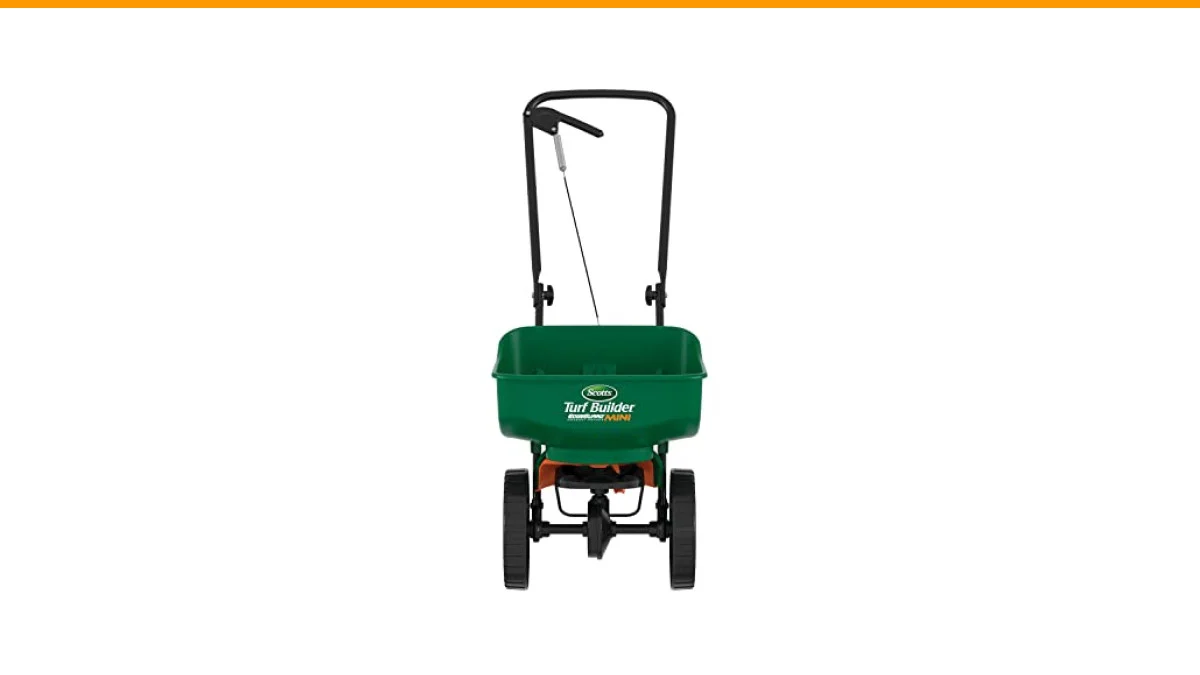
Scotts Turf Builder EdgeGuard Mini Broadcast Spreader | Spreader For Lawn Fertilizer, Weed & Insect Control, Grass Seed, and Ice Melt, Holds Up To 5,000 sq. ft. of Product
- NO ASSEMBLY REQUIRED: Scotts spreader comes pre-calibrated and ready-to-use with a fold-down handle for easy storage; use it year-…
- CAPACITY: Broadcast spreader holds up to 5,000 sq. ft. of Scotts lawn products, and can be used as a lawn food, salt, ice melt or…
- OPERATION: These fertilizer spreaders for lawns feature a hopper and agitator designed for smooth product funneling and consistent…
If you’re ready to take control of your lawn care, consider using a reliable tool like the Scotts Turf Builder EdgeGuard Mini Broadcast Spreader. This spreader is pre-calibrated and easy to use, making it perfect for applying fertilizer evenly across your lawn.
Understanding Lawn Fertilization
Before diving into specific numbers, let’s break down the basics of lawn fertilization. Fertilizers provide essential nutrients to grass, helping it grow stronger and healthier. The three primary nutrients in fertilizers are nitrogen (N), phosphorus (P), and potassium (K). Each plays a unique role:
- Nitrogen: Promotes lush, green growth.
- Phosphorus: Encourages root development and flowering.
- Potassium: Helps in overall plant health and disease resistance.
How Much Fertilizer Does Your Lawn Need?
The amount of fertilizer needed depends on several factors, including your lawn type, soil quality, and local climate. Here’s a general guideline:
- Cool-season grasses (like Kentucky bluegrass): 1 to 2 pounds of nitrogen per 1,000 square feet, typically applied in early spring and fall.
- Warm-season grasses (like Bermuda): 1 to 1.5 pounds of nitrogen per 1,000 square feet, usually in late spring to early summer.
Soil testing is crucial. A soil test can provide specific nutrient levels and pH, guiding you on how much fertilizer to add. Many local agricultural extensions offer testing services, or you can purchase a home test kit.
Types of Fertilizer
Understanding the types of fertilizers available can help you make informed choices:
- Granular Fertilizers: These are easy to apply and can be slow- or quick-release. They provide a steady nutrient supply, making them popular among homeowners.
- Liquid Fertilizers: These offer quick nutrient absorption and can be applied more frequently. They’re often used for specific nutrient deficiencies.
- Organic Fertilizers: Made from natural materials, these products improve soil health over time and are less likely to burn grass.
Fertilizer Application Methods
There are several methods to apply fertilizer, but the most effective include:
- Broadcast Spreading: Using a spreader, like the Scotts Turf Builder EdgeGuard Mini Broadcast Spreader, helps ensure even coverage. This method works well for larger areas.
- Drop Spreading: A drop spreader delivers fertilizer in a controlled manner, minimizing waste and ensuring precision, especially near flower beds or sidewalks.
- Foliar Feeding: Spraying liquid fertilizers directly onto leaves can provide a quick nutrient boost. This method is often used for specific deficiencies.
Comparison of Fertilizer Application Methods
| Method | Pros | Cons |
|---|---|---|
| Broadcast Spreading | Even coverage, suitable for large areas | Potential for overspreading |
| Drop Spreading | Precision application, minimal waste | Less effective on large areas |
| Foliar Feeding | Quick nutrient absorption | Requires more frequent applications |
Frequently Asked Questions
1. How often should I fertilize my lawn?
Typically, cool-season grasses benefit from fertilizing 2-4 times a year, while warm-season grasses usually require 2-3 applications. However, this can vary based on soil health and local conditions.
2. Can I over-fertilize my lawn?
Yes, over-fertilization can lead to rapid growth, increased disease susceptibility, and environmental runoff. Follow recommended guidelines and consider a soil test to avoid this issue.
3. What time of year is best for fertilizing?
For cool-season grasses, early spring and fall are optimal. For warm-season grasses, late spring to early summer is the best time to apply fertilizer.
4. Should I water my lawn after fertilizing?
Yes, watering after applying fertilizer helps activate the nutrients and prevents potential burning. Aim to water within 24 hours of application.
5. What’s the difference between slow-release and quick-release fertilizers?
Slow-release fertilizers provide nutrients gradually over a longer period, reducing the risk of burning and requiring less frequent applications. Quick-release fertilizers deliver nutrients rapidly but may need more frequent applications.
Actionable Insights for Your Lawn
- Test your soil to determine nutrient levels before fertilizing.
- Choose the right fertilizer type based on your lawn’s needs.
- Follow recommended nitrogen levels for your grass type.
- Use a reliable spreader, like the Scotts Turf Builder EdgeGuard Mini Broadcast Spreader, for even application.
- Monitor your lawn’s health and adjust fertilization plans as needed.
- Consider organic options for a sustainable approach.
- Stay informed about local regulations regarding fertilizer use to protect water quality.


