
Every homeowner wants a vibrant, healthy lawn. Yet, many struggle with how to achieve that lush, green look. You might have noticed yellow patches, uneven growth, or simply a lackluster appearance in your yard. If so, it’s time to consider proper lawn care, particularly the application of fertilizer.
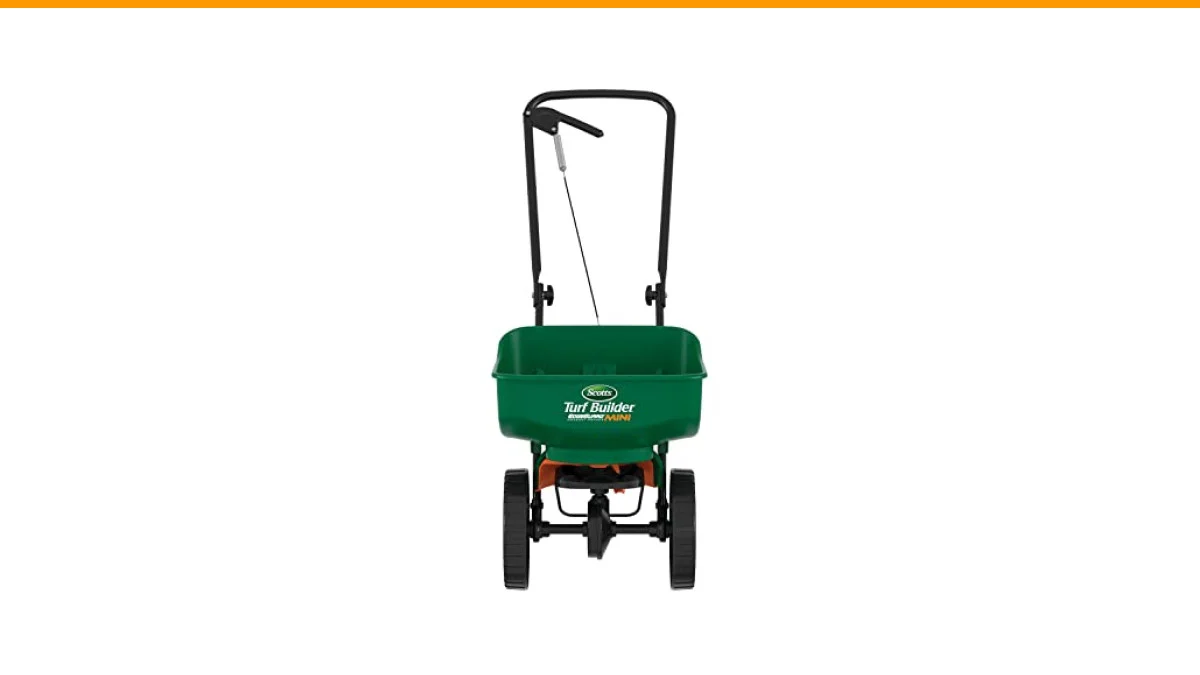
This guide will walk you through the entire process of applying lawn fertilizer effectively. You’ll understand how to choose the right type, the best time to fertilize, and the techniques to ensure even distribution. Plus, we’ll highlight a reliable tool to make the job easier — the Scotts Turf Builder EdgeGuard Mini Broadcast Spreader. This spreader is designed for smooth operation and consistent coverage, making it an excellent choice for lawn care.

Scotts
Scotts Turf Builder EdgeGuard Mini Broadcast Spreader | Spreader For Lawn Fertilizer, Weed & Insect Control, Grass Seed, and Ice Melt, Holds Up To 5,000 sq. ft. of Product
- NO ASSEMBLY REQUIRED: Scotts spreader comes pre-calibrated and ready-to-use with a fold-down handle for easy storage; use it year-…
- CAPACITY: Broadcast spreader holds up to 5,000 sq. ft. of Scotts lawn products, and can be used as a lawn food, salt, ice melt or…
- OPERATION: These fertilizer spreaders for lawns feature a hopper and agitator designed for smooth product funneling and consistent…
Before diving into the application process, let’s break down the key steps:
Choosing the Right Fertilizer
Different lawns have different needs. The first step involves understanding the type of fertilizer that suits your lawn’s specific requirements. Here are the primary types:
- Granular Fertilizer: Easy to apply and provides nutrients over time.
- Liquid Fertilizer: Quick absorption but requires more frequent applications.
- Organic Fertilizer: Made from natural materials, promoting healthy soil.
Check your soil type and nutrient levels using a soil test kit. This will help you determine which fertilizer formulation suits your lawn best. For instance, a nitrogen-rich fertilizer is often recommended for lush green grass.
When to Fertilize Your Lawn
Timing is crucial when it comes to lawn fertilization. Here are the general guidelines:
- Spring:** Fertilize in early spring when the grass begins to grow.
- Fall:** A second application in early fall helps prepare your lawn for winter.
- Summer:** Fertilizing in summer is usually not recommended due to heat stress.
Applying fertilizer when grass is actively growing ensures that nutrients are absorbed efficiently. Avoid fertilizing during heavy rainfall, as this can cause runoff and reduce effectiveness.
How to Apply Lawn Fertilizer
Follow these steps for effective fertilizer application:
- Prepare Your Lawn: Mow the grass to a standard height and clear any debris.
- Check Weather Conditions: Aim for a dry day with mild temperatures; avoid windy days.
- Measure Your Lawn: Determine the area for accurate fertilizer needs. Most bags provide coverage information.
- Set Up Your Spreader: If using the Scotts Turf Builder EdgeGuard Mini Broadcast Spreader, it comes pre-calibrated, making it easy to use. Adjust the spreader settings according to the fertilizer instructions.
- Apply Evenly: Walk in straight lines across the lawn. Overlap paths slightly to ensure even coverage.
- Water the Lawn: After application, water your lawn lightly to help the fertilizer penetrate the soil.
Use the spreader’s EdgeGuard Technology to prevent fertilizer from overshooting onto sidewalks or flower beds, ensuring your lawn receives all the nutrients.
Comparison of Fertilizer Application Methods
| Method | Pros | Cons |
|---|---|---|
| Granular | Long-lasting, easy to store | Can miss spots if not spread evenly |
| Liquid | Fast-acting, even distribution | Requires more frequent applications |
| Organic | Improves soil health | Slower nutrient release |
Common Questions about Lawn Fertilization
What is the best time of year to fertilize my lawn?
The best time is typically early spring and early fall when grass is actively growing. Avoid the heat of summer.
How often should I fertilize my lawn?
Most lawns benefit from two to four applications per year, depending on grass type and climate. Always refer to product instructions.
Can I fertilize my lawn after it rains?
It’s best to wait until the soil has dried out a bit. Fertilizing right after a heavy rain can lead to runoff and nutrient loss.
How much fertilizer should I use?
This depends on the size of your lawn and the product instructions. A general rule is about 1 pound of nitrogen per 1,000 square feet.
Is it safe to fertilize my lawn if I have pets?
Yes, but ensure you follow the safety instructions on the fertilizer bag. Keep pets off the lawn until it’s safe to return.
Final Tips for Successful Lawn Fertilization
- Always read and follow the instructions on your fertilizer.
- Use a spreader for even application; the Scotts spreader simplifies this.
- Water after application to activate the fertilizer.
- Keep an eye on weather conditions to avoid runoff.
- Monitor your lawn’s response and adjust your fertilization plan accordingly.
- Consider a soil test every few years to adjust nutrient needs.
- Avoid over-fertilization, which can lead to lawn burn.
With this guide, you now have the knowledge to apply lawn fertilizer effectively. Remember, a well-fed lawn is not only beautiful but also healthy and resilient.


