
After a long day at work, many homeowners come home to a patchy lawn that looks more brown than green. It’s a common sight, especially during dry spells. If you’ve ever found yourself wondering how much water does a lawn need, you’re not alone. Proper watering is crucial for maintaining a healthy and vibrant lawn. But how much water is necessary, and how often should you apply it? This guide provides clear answers to those questions, ensuring your lawn gets the hydration it needs to thrive.
This article will cover the specific watering needs of grass, the importance of soil type and climate, and advanced techniques for efficient watering. You’ll also discover how an automatic watering system, like the Orbit 50020 All-in-One Automatic Watering System, can simplify your lawn care routine while ensuring your yard stays lush and healthy.

Orbit
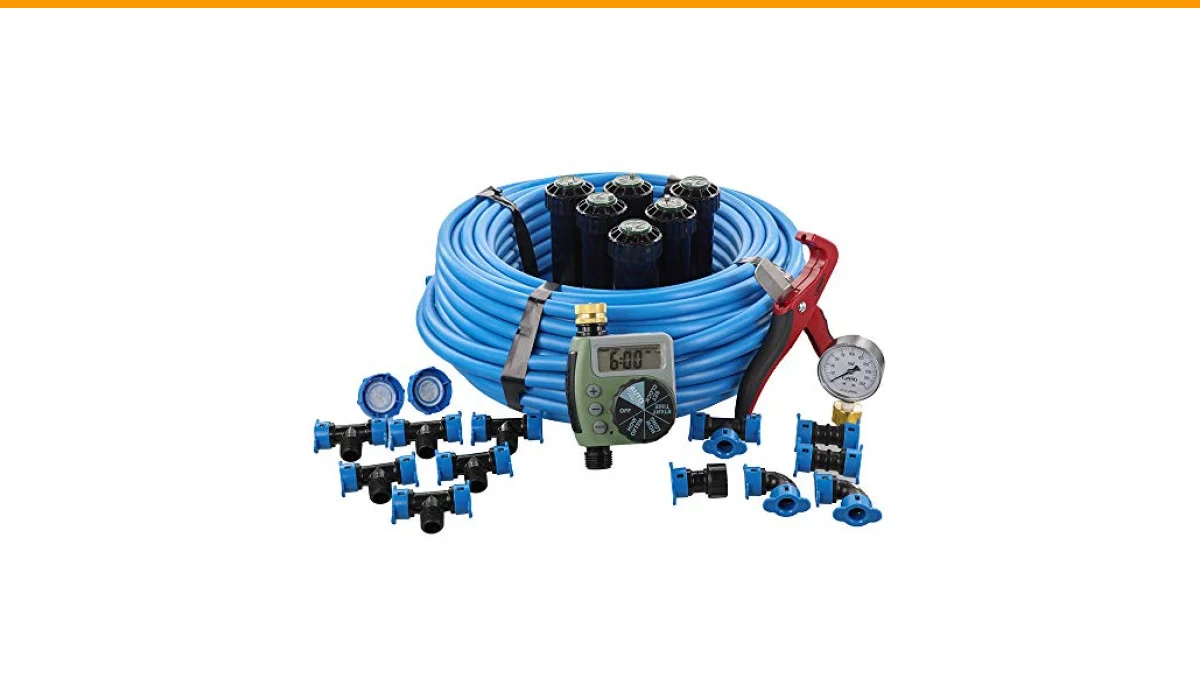
Orbit 50020 All-in-One Automatic Watering System
- EFFORTLESS YARD IRRIGATION - Create a beautiful lawn with our all-in-one automatic sprinkler system kit. Water plants while away u…
- STRONG AND DURABLE - Our sprinklers for yard feature a patented Blu-Lock tubing system for quick installation and 25% stronger con…
- HEAD-TO-HEAD COVERAGE - Enjoy a lush green lawn with our water sprinkler for lawn. The 6 gear drive sprinkler heads provide even i…
Understanding Lawn Water Requirements
To determine how much water your lawn needs, consider several factors, including the type of grass, soil composition, and prevailing weather conditions. On average, lawns require about 1 to 1.5 inches of water per week, whether from rainfall or irrigation. However, this can vary significantly based on the following:
- Grass Type: Different grasses have different water needs. Cool-season grasses (e.g., Kentucky bluegrass) thrive in cooler temperatures and often need more water in the spring and fall. Warm-season grasses (e.g., Bermuda grass) flourish in hotter months and usually require less water in cooler seasons.
- Soil Type: Sandy soils drain quickly and may need more frequent watering, while clay soils retain moisture longer but may require less frequent, deeper watering.
- Climate: Hot and dry climates can increase evaporation rates, necessitating more water. Conversely, humid climates may require less frequent watering.
Watering Techniques and Schedules
Effective watering goes beyond just knowing how much water your lawn needs; the method and timing of watering play a significant role in promoting healthy growth.
- Early Morning Watering: Water your lawn early in the morning, ideally between 6 a.m. and 10 a.m. This timing minimizes evaporation and allows grass blades to dry during the day, reducing disease risk.
- Deep Watering: Water deeply but infrequently. Aim for about 1 to 1.5 inches of water per session. This encourages deeper root growth and makes grass more drought-resistant.
- Use Sprinklers Wisely: Adjust your sprinkler system to ensure even coverage. The Orbit 50020 Automatic Watering System can help by providing consistent watering without manual effort.
- Check Soil Moisture: Use a soil moisture meter or simply dig a small hole to check if the soil is damp a few inches down. This can help you avoid overwatering.
Watering Comparison Table
| Watering Method | Frequency | Best For | Notes |
|---|---|---|---|
| Manual Watering | 2-3 times a week | Small lawns | Time-consuming but allows for precise control. |
| Automatic Sprinklers | 2-3 times a week | Medium to large lawns | Convenient; can be programmed for optimal times. |
| Soaker Hoses | 1-2 times a week | Garden beds and flower areas | Effective for deep watering without evaporation loss. |
| Drip Irrigation | Every few days | Vegetable gardens | Highly efficient; minimizes water waste. |
How often should I water my lawn?
Most lawns need watering 1-2 times per week, depending on the weather, grass type, and soil conditions. Adjust frequency during dry spells or rainy periods.
What time of day is best for watering?
Early morning is the best time to water. This reduces evaporation and allows grass to dry before evening, minimizing disease risk.
How can I tell if my lawn needs water?
Signs of a thirsty lawn include a dull green color, footprints that remain visible, and grass blades that curl or fold.
Can I overwater my lawn?
Yes, overwatering can lead to shallow root systems, fungal diseases, and waterlogged soil. Always check soil moisture before watering.
What are the benefits of using an automatic watering system?
Automatic systems ensure consistent watering, save time, and can be programmed to water at optimal times, reducing the risk of overwatering.
Final Thoughts on Lawn Watering
- Understand your grass type and its specific water needs.
- Water early in the morning to minimize evaporation.
- Use tools like moisture meters to check soil hydration.
- Consider investing in an automatic watering system for ease and consistency.
- Aim for deep watering sessions to promote healthy root growth.
- Adjust your watering schedule based on weather and soil type.
- Regularly check for signs of drought stress in your lawn.
With these strategies, you’ll know exactly how much water your lawn needs to stay lush and vibrant throughout the growing season.


