
Many homeowners face the challenge of maintaining a lush, green lawn. You notice your grass isn’t thriving as it should, and you might wonder what’s missing. The answer often lies in understanding the NPK numbers on fertilizer packages. These numbers can be a bit confusing at first glance, but they are crucial for achieving a healthy lawn.
This article will clarify what NPK numbers mean for lawn fertilizer and how to utilize them for optimal results. You’ll walk away with a solid grasp of how to select the right fertilizer for your lawn’s specific needs and some tips on effective application.

Simple Lawn Solutions
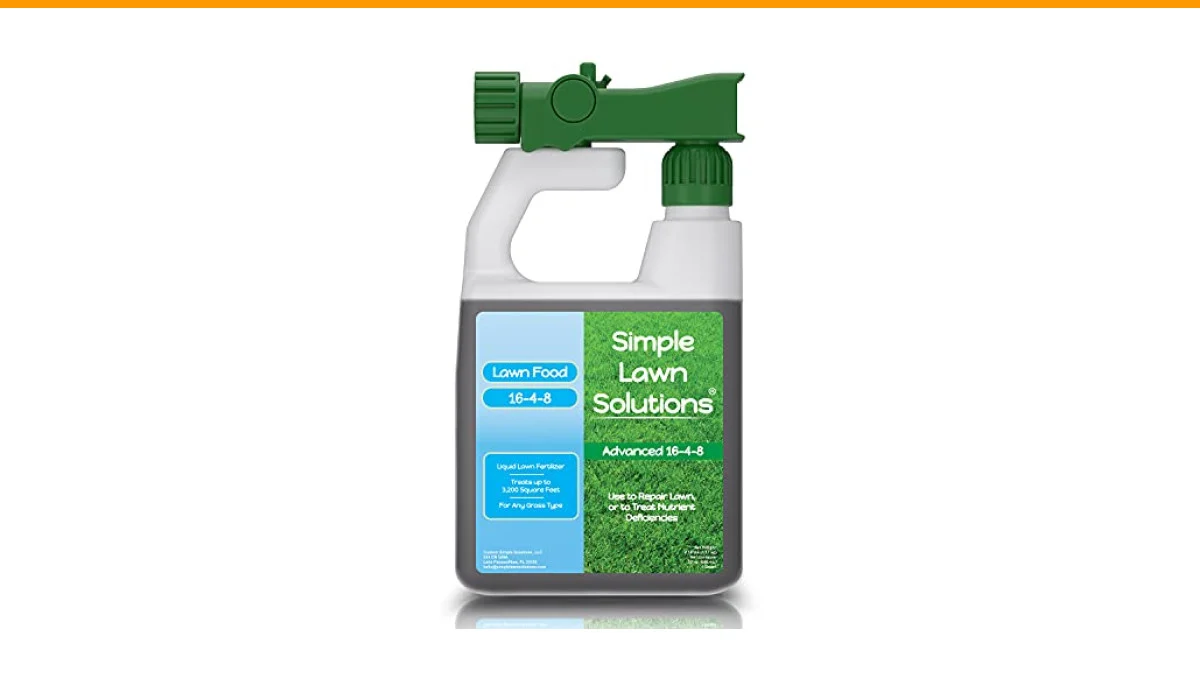
Advanced 16-4-8 Balanced NPK - Lawn Food Quality Liquid Fertilizer - Spring & Summer Concentrated Spray - Any Grass Type - Simple Lawn Solutions (32 Ounce)
- Complete NPK Lawn Food: 16-4-8 is the perfect blend of key macronutrients. This lawn liquid food turf fertilizer also contains Sea…
- Contains High Quality Feed Grade Ingredients: Nourish your lawn with pure liquid Nutrients in a ready to use sprayer
- Easy To Use: Designed to be easily applied. This complete Nitrogen, Phosphate and Potash formula gives your grass greening & growt…
For those looking for a balanced solution, consider the Advanced 16-4-8 Balanced NPK from Simple Lawn Solutions. This liquid fertilizer provides a good mix of nitrogen, phosphate, and potash, making it versatile for various grass types.
Decoding NPK: What Do the Numbers Mean?
The NPK numbers on fertilizer bags represent the percentage of three essential macronutrients: nitrogen (N), phosphorus (P), and potassium (K). Here’s how they break down:
- Nitrogen (N): This nutrient primarily promotes leaf and stem growth, giving your grass that vibrant green color.
- Phosphorus (P): Essential for root development and flowering, phosphorus helps your lawn establish a strong foundation.
- Potassium (K): This nutrient aids in overall plant health, drought resistance, and disease prevention.
For example, a fertilizer labeled 16-4-8 contains 16% nitrogen, 4% phosphorus, and 8% potassium. Each component plays a vital role in lawn health, so understanding these numbers aids in selecting the right product.
Misconception: More Nitrogen Equals a Greener Lawn
Many people believe that higher nitrogen levels will automatically result in a greener lawn. While nitrogen is crucial for growth, excessive amounts can lead to problems. Over-fertilizing can cause rapid growth, making grass more susceptible to pests and diseases. It can also lead to increased mowing frequency and potential environmental runoff issues.
A balanced approach is key. For example, a product like the Advanced 16-4-8 provides sufficient nitrogen while also delivering phosphorus and potassium, promoting overall lawn health rather than just a quick green-up.
Choosing the Right NPK Ratio for Your Lawn
Selecting the correct NPK ratio depends on your lawn type and the season. Here’s a quick guide:
- High Nitrogen (e.g., 30-0-10): Best for spring growth, particularly for cool-season grasses.
- Balanced (e.g., 16-4-8): Suitable for general maintenance throughout spring and summer.
- Low Nitrogen/High Potassium (e.g., 5-10-30): Ideal for fall applications to strengthen roots and prepare for winter.
Always consider your lawn’s specific needs before choosing a fertilizer. Soil tests can offer more insight into what nutrients your lawn might be lacking.
Comparing Popular NPK Ratios
| NPK Ratio | Best Use | Grass Types |
|---|---|---|
| 30-0-10 | Spring Growth | Bermuda, Fescue |
| 16-4-8 | General Maintenance | All Grass Types |
| 5-10-30 | Fall Preparation | Cool-Season Grasses |
What does NPK stand for?
NPK stands for nitrogen (N), phosphorus (P), and potassium (K). These are the three primary nutrients essential for plant growth.
How do I know which NPK ratio to choose?
Consider your lawn type, the season, and any soil test results. Different grasses and seasons require different nutrient balances.
Can too much nitrogen harm my lawn?
Yes, excessive nitrogen can lead to rapid growth, making grass more vulnerable to pests and diseases, as well as requiring more frequent mowing.
Is liquid fertilizer more effective than granular?
Liquid fertilizers often provide quicker nutrient uptake, while granular options release nutrients over time. The choice depends on your lawn’s needs and your application preferences.
When is the best time to fertilize my lawn?
Spring and fall are typically the best times to fertilize, as these seasons align with grass growth cycles. However, specific timing may vary based on your grass type and climate.
Final Thoughts for Lawn Care
- Understand NPK numbers to select the right fertilizer for your lawn.
- Balance nitrogen, phosphorus, and potassium for optimal growth.
- Use a product like Advanced 16-4-8 for a balanced approach.
- Consider your specific grass type and seasonal needs.
- Perform soil tests to inform your fertilization strategy.
- Don’t over-fertilize; moderation is key to a healthy lawn.
- Remember, different grass types have different nutrient requirements.


