Gardening can be both a rewarding hobby and a sustainable way to provide fresh produce for your family. However, many gardeners experience frustration when their vegetable yields fall short of expectations. Perhaps you’ve tended to your plants diligently, only to find a meager harvest at the end of the season. If this resonates with you, you’re not alone. Many gardeners face the challenge of maximizing their vegetable garden yield, but there are proven strategies to improve results.
This article will guide you through effective techniques to increase vegetable garden yield. You’ll learn about soil health, crop rotation, companion planting, and the role of fertilizers. With these insights, you’ll be better equipped to enhance the productivity of your garden.

Hi-Yield
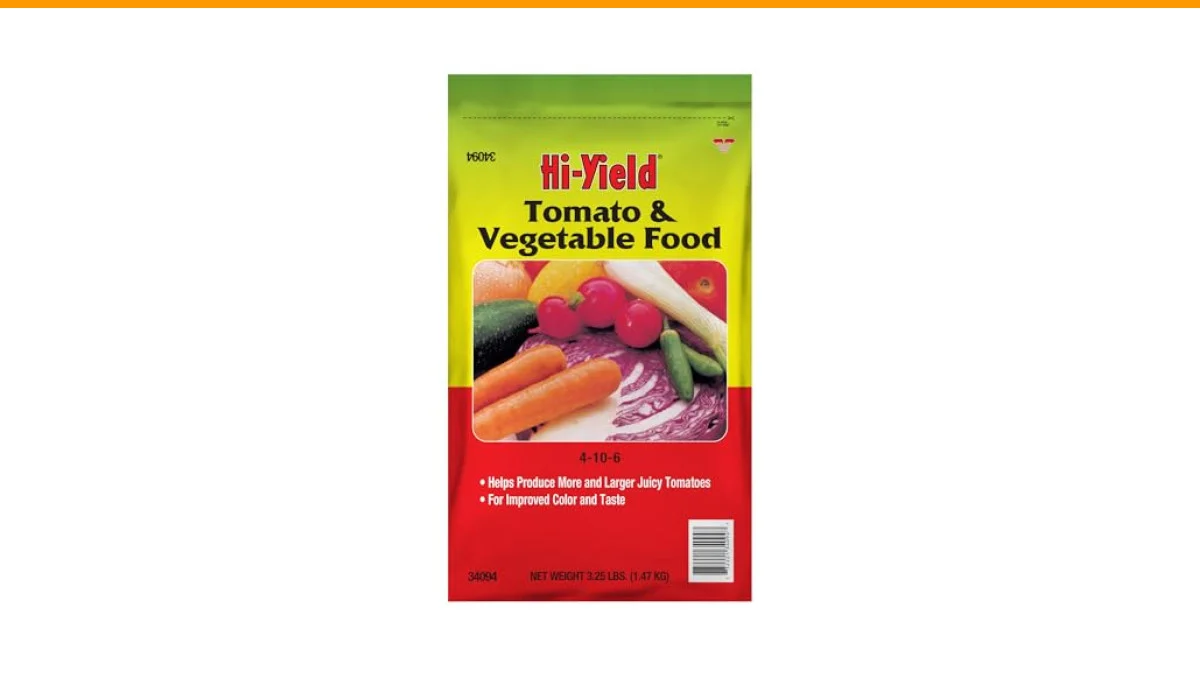
Hi-Yield (34094 Tomato & Vegetable Food 4-10-6, 3.25 lbs | 4-10-6 granular - High-phosphorus formula for tomato & vegetable fruiting & root growth - Veggie gardeners
- This specialized fertilizer mix contains nutrients to improve vegetable and tomato growth/health.
- This plant food is designed to increase the total yield of plants and to improve color and taste.
- The product can be used on any tomato plants or other garden vegetables.
For those looking to give their vegetables a nutritional boost, consider using products like Hi-Yield Tomato & Vegetable Food. This specialized fertilizer mix, featuring a nutrient ratio of 4-10-6, is designed to improve both the health and yield of your plants. It’s particularly effective for tomatoes but can benefit a variety of garden vegetables.
Understanding Soil Health
Soil is the foundation of a productive vegetable garden. Healthy soil contains the right balance of nutrients, moisture, and microorganisms. To increase vegetable garden yield, consider testing your soil’s pH and nutrient levels. A pH between 6.0 and 7.0 is typically ideal for most vegetables.
Organic matter is crucial for soil health. Adding compost enriches the soil with nutrients and improves its structure, allowing for better water retention and root development. Aim for a compost application of about 1 to 2 inches annually. If you’re already using compost, don’t forget to rotate it with other organic amendments, such as well-rotted manure or leaf mold, to maintain nutrient diversity.
Crop Rotation and Companion Planting
Many gardeners underestimate the importance of crop rotation and companion planting. Rotating crops prevents soil nutrient depletion and reduces pest and disease buildup. For example, follow heavy feeders like tomatoes and peppers with legumes, which naturally replenish nitrogen in the soil.
Companion planting can also enhance vegetable garden yield. Some plants, when grown together, can improve growth, repel pests, or attract beneficial insects. For instance, planting basil near tomatoes can improve their flavor and growth. Similarly, marigolds are known to deter nematodes and can be beneficial when planted alongside various vegetables.
Effective Watering Practices
Watering techniques can significantly affect your garden’s productivity. Consistent moisture is key, especially during the flowering and fruiting stages. Aim to provide about 1 inch of water per week, either from rainfall or irrigation. Early morning is the best time to water, as it reduces evaporation and allows plants to absorb moisture throughout the day.
Consider using drip irrigation or soaker hoses to deliver water directly to the soil, minimizing waste and preventing fungal diseases caused by wet foliage. Mulching around plants can also help retain soil moisture, regulate temperature, and suppress weeds.
Utilizing Fertilizers Wisely
While good soil practices are vital, fertilizers can play an essential role in increasing vegetable garden yield. Using a balanced fertilizer, such as Hi-Yield Tomato & Vegetable Food, can provide the nutrients your plants need for optimal growth. This specific formula, with its 4-10-6 nutrient ratio, is tailored to support both leaf and fruit development.
Follow application instructions based on plant type and size to avoid over-fertilizing, which can harm the plants instead of helping. Generally, applying fertilizer every 4-6 weeks during the growing season can promote healthier plants and higher yields.
| Method | Description | Benefits |
|---|---|---|
| Soil Testing | Check pH and nutrient levels | Ensures optimal growing conditions |
| Compost | Enriches soil with nutrients | Improves soil structure and fertility |
| Crop Rotation | Change plant families each season | Reduces pests and enhances nutrient cycling |
| Companion Planting | Grow compatible plants together | Improves growth and deters pests |
| Drip Irrigation | Water directly to roots | Conserves water and prevents disease |
| Fertilizer Application | Use balanced fertilizers like Hi-Yield | Supports plant growth and yield |
What is the best way to improve soil for vegetable gardening?
Improving soil requires a mix of organic matter, proper pH, and nutrients. Regularly adding compost and testing soil can help maintain a healthy balance.
How often should I water my vegetable garden?
Watering should be consistent, aiming for about 1 inch per week. Early morning watering is ideal to minimize evaporation.
Is crop rotation really necessary?
Yes, it helps prevent nutrient depletion and reduces the risk of pests and diseases. Rotating crops annually can have significant benefits.
Can I use any fertilizer for my vegetable garden?
Not all fertilizers are suitable. Use a balanced fertilizer, such as Hi-Yield Tomato & Vegetable Food, for better results tailored to vegetables.
What plants are good companions for tomatoes?
Good companions include basil, marigolds, and garlic. These plants can enhance growth and deter pests.
Quick Actionable Tips
- Test your soil for pH and nutrients regularly.
- Add compost or organic matter annually.
- Implement crop rotation every season.
- Practice companion planting for pest control.
- Water consistently, aiming for 1 inch per week.
- Use a balanced fertilizer like Hi-Yield for optimal growth.
- Consider drip irrigation to conserve water and manage disease.