Growing zucchini can be a rewarding experience, whether you’re a seasoned gardener or new to the hobby. Imagine stepping into your garden and being greeted by the vibrant green leaves and the promise of fresh zucchinis ready for harvest. However, many gardeners face challenges, particularly with pests and diseases such as powdery mildew. This article will guide you through effective strategies for cultivating zucchinis while keeping powdery mildew at bay.
You’ll leave this read equipped with practical tips on how to grow zucchini successfully and specific methods to prevent powdery mildew. Along with cultivation advice, we also recommend a resource that can enrich your gardening journey: How to Grow: Applying the Gospel to All of Your Life by Moody Publishers. Although not solely focused on gardening, its principles can inspire a holistic approach to nurturing your plants and yourself.


Understanding Zucchini Growth Requirements
Zucchini thrives in warm weather and needs specific conditions for optimal growth. Here are some essential factors to consider:
- Soil: A well-draining, nutrient-rich soil with a pH between 6.0 and 7.5 is ideal. Incorporate compost to improve soil quality.
- Sunlight: Zucchini plants require full sun, meaning at least 6 to 8 hours of direct sunlight daily.
- Water: Maintain consistent moisture without waterlogging. Water deeply once a week, increasing frequency during dry spells.
- Spacing: Space plants 2 to 3 feet apart to allow for adequate airflow, which helps prevent diseases.
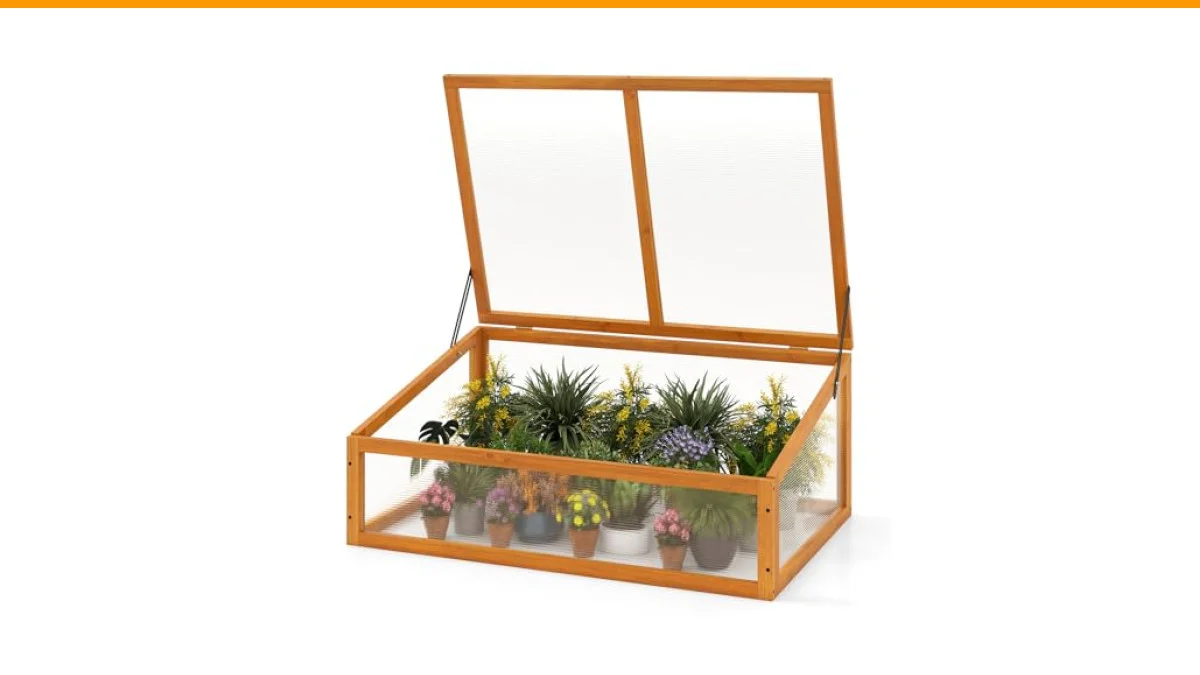
Plant zucchini seeds directly in the garden after the last frost, or start them indoors 2-4 weeks prior. Transplant seedlings when they’re about 4 inches tall and the soil temperature is consistently above 70°F.
Growing Zucchini: Care and Maintenance
Once your zucchinis are planted, regular care is essential. Here’s a practical routine:
- Fertilization: Use a balanced fertilizer (10-10-10) every 4-6 weeks. A high-nitrogen fertilizer can promote lush foliage, but too much can lead to fewer fruits.
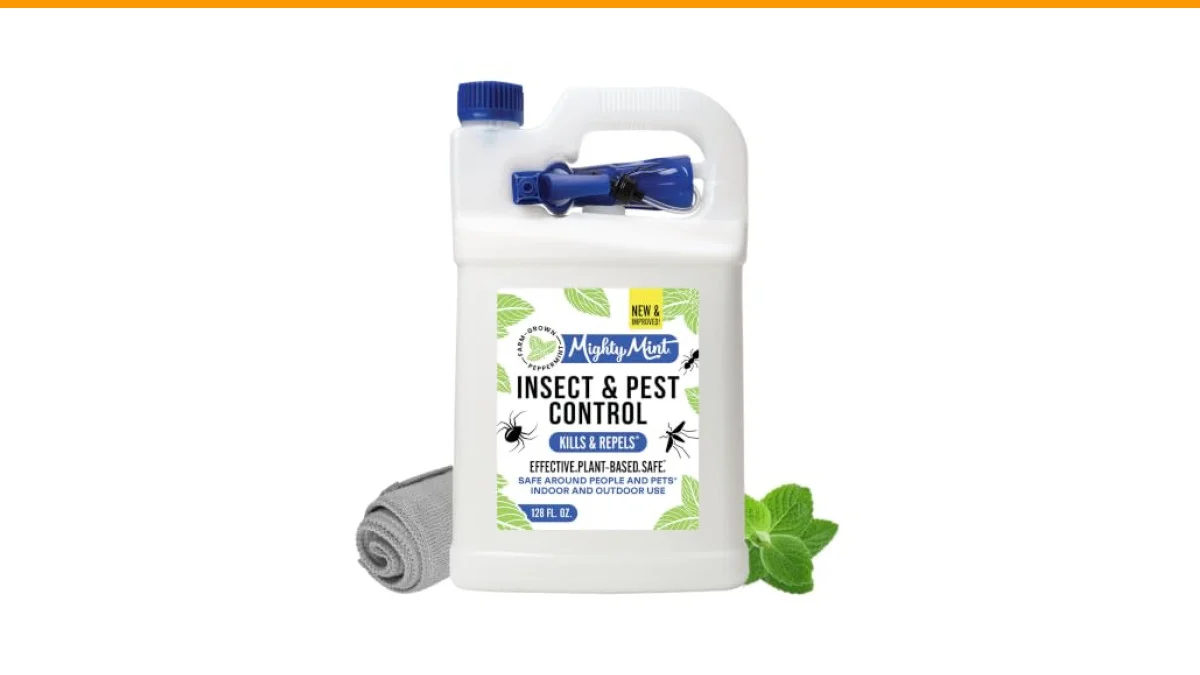
- Pest Management: Check plants weekly for pests like squash bugs and aphids. Use organic insecticidal soap if necessary.
- Pruning: Remove any dead or yellowing leaves to improve air circulation and reduce disease risk.
During the growing season, monitor your plants closely. Zucchini grows quickly, often producing fruit within 50 to 60 days. Harvest zucchinis regularly when they are 6 to 8 inches long to encourage continuous production.
Preventing Powdery Mildew
Powdery mildew is a common fungal disease that affects zucchinis, manifesting as white, powdery spots on leaves. Here’s how you can prevent it:
- Choose Resistant Varieties: Select zucchini cultivars that are bred for powdery mildew resistance.
- Proper Spacing: Ensure adequate spacing between plants to promote airflow, which helps reduce humidity levels.
- Watering Technique: Water at the base of the plant to keep leaves dry. Avoid overhead watering, especially in the evening.
- Mulching: Apply organic mulch to prevent soil splash, which can spread fungal spores.
- Fungicides: If mildew appears, consider applying organic fungicides like potassium bicarbonate or neem oil. Follow the instructions carefully for best results.
Regularly inspect your plants for early signs of powdery mildew. Early detection allows for quicker intervention, which is critical to managing this disease effectively.
| Method | Description | Effectiveness |
|---|---|---|
| Planting Resistant Varieties | Select zucchini types bred for disease resistance. | High |
| Proper Spacing | Space plants to improve airflow. | Medium |
| Watering at Base | Water directly at the soil level to keep leaves dry. | High |
| Fungicide Application | Use organic fungicides as a treatment. | Medium |
What causes powdery mildew on zucchini?
Powdery mildew thrives in warm, dry conditions with high humidity. It spreads through spores that can easily travel in the wind or on contaminated tools.
How can I tell if my zucchini has powdery mildew?
Look for white, powdery spots on the leaves, stems, and even the fruit. The leaves may also become yellow and curl as the disease progresses.
Can I eat zucchinis affected by powdery mildew?
While the fruit is generally safe to eat, it’s best to avoid consuming affected parts of the plant. Remove any infected leaves and wash the fruit thoroughly.
What is the best time to water zucchini plants?
Water zucchini plants in the morning. This timing allows the soil to absorb moisture effectively and helps leaves dry out quickly, reducing disease risk.
How often should I fertilize my zucchini plants?
Fertilize every 4-6 weeks during the growing season with a balanced fertilizer to support healthy growth and fruit production.
Final Tips for Zucchini Success
- Plant zucchini in a sunny spot for best results.
- Maintain proper spacing for airflow and disease prevention.
- Water at the base to avoid leaf wetness.
- Monitor for pests and diseases regularly.
- Harvest frequently to encourage more fruit production.
- Consider companion planting with marigolds or nasturtiums to deter pests.
- Explore resources like dethatcher and scarifier guides for related gardening advice.
With these strategies, you can grow zucchinis successfully while keeping powdery mildew at bay. Enjoy the process, and soon you’ll be savoring the fruits of your labor!