Growing zucchini can be an incredibly rewarding experience. Imagine walking into your garden to find vibrant green plants laden with plump, delicious zucchinis. Yet, many gardeners face a common challenge: powdery mildew. This fungal disease can quickly devastate your plants, turning a promising harvest into a disappointment. In this article, you’ll learn how to grow zucchini successfully while keeping powdery mildew at bay.
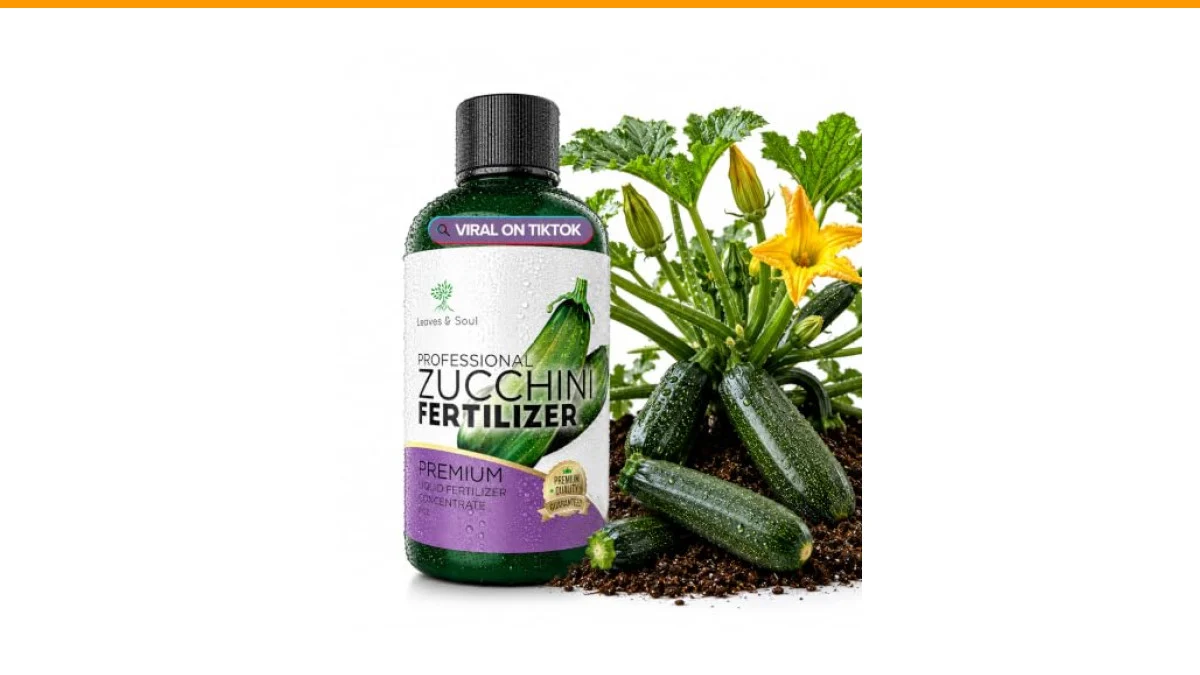
With the right knowledge and tools, you can enjoy a bountiful zucchini harvest. A great way to support your plants is by using quality fertilizers, such as the Leaves & Soul Zucchini Fertilizer. This product features a balanced 5-1-5 formula that promotes strong growth and healthy yields, making it especially helpful in the battle against powdery mildew.

Leaves and Soul
Leaves & Soul Zucchini Fertilizer Liquid Zucchini Plant Food 5-1-5, 8 oz | Fertilizer for Zucchini Supports Healthy Growth, Zucchini Food with Balanced 5-1-5 Formula for Strong Root Development
- 🥒 PERFECT BLEND FOR ZUCCHINI PLANTS: Give your garden the nutrients it needs with this professional zucchini fertilizer featuring…
- 🌱 VERSATILE LIQUID ZUCCHINI FERTILIZER: This premium zucchini liquid fertilizer is suitable for all growth stages, from seedlings…
- 💧 FAST ABSORBING LIQUID FORMULA: Unlike granular fertilizers, this liquid fertilizer mixes easily with water and delivers nutrient…
Understanding Zucchini Growth Conditions
Zucchini thrives in warm conditions, ideally between 70°F and 90°F (21°C to 32°C). They require full sun, so choose a location that receives at least 6 to 8 hours of sunlight daily. Soil health is equally important; they prefer well-draining, nutrient-rich soil with a pH of 6.0 to 7.5.
To prepare your garden bed, incorporate organic matter like compost or well-rotted manure. This improves soil structure and provides essential nutrients. Space your zucchini plants about 24 to 36 inches apart to allow for proper airflow, which is crucial in preventing diseases.
Watering and Fertilizing Zucchini
Watering is a critical aspect of zucchini care. These plants need about 1 to 2 inches of water per week, depending on rainfall. Water deeply and consistently, ideally in the morning, to minimize evaporation and fungal growth. Avoid overhead watering, as damp leaves can encourage powdery mildew.
Fertilizing your zucchini with a product like the Leaves & Soul Zucchini Fertilizer can enhance growth. Apply it every 3 to 4 weeks during the growing season. This liquid fertilizer quickly delivers nutrients to the roots, promoting strong plants and maximizing your harvest.
Identifying and Preventing Powdery Mildew
Powdery mildew appears as a white, powdery substance on leaves and stems. High humidity, crowded plants, and lack of airflow make zucchini susceptible to this fungus. To prevent powdery mildew, consider these strategies:
- **Choose resistant varieties**: Look for zucchini cultivars that are bred for disease resistance.
- **Ensure adequate spacing**: Proper spacing allows for good air circulation.
- **Water wisely**: Water at the base of the plant and avoid wetting the foliage.
- **Use mulch**: Applying mulch can help retain soil moisture and reduce fungal spores.
- **Regularly inspect plants**: Catching powdery mildew early can make treatment easier.
Effective Treatments for Powdery Mildew
If powdery mildew appears, act quickly. Here are some effective treatments:
- **Fungicides**: Apply organic fungicides containing potassium bicarbonate or neem oil.
- **Homemade remedies**: A mixture of water and baking soda can help control the spread.
- **Prune infected leaves**: Remove and dispose of heavily infected leaves to prevent spreading.
- **Improve airflow**: Thin out crowded plants to increase airflow and reduce humidity around them.
| Treatment Method | Effectiveness | Application Frequency |
|---|---|---|
| Commercial Fungicide | High | Every 7-14 days |
| Baking Soda Solution | Moderate | Every week |
| Neem Oil | High | Every 7-14 days |
| Pruning | High | As needed |
What are the signs of powdery mildew on zucchini?
The most noticeable sign is the white, powdery spots on leaves, which can eventually cover the entire plant. Infected leaves may also yellow and curl, leading to reduced growth.
How can I prevent powdery mildew on zucchini?
Preventing powdery mildew involves ensuring good air circulation, watering at the base of plants, and choosing resistant varieties. Regularly inspecting your plants for early signs can also help.
What should I do if I find powdery mildew on my zucchini?
Remove infected leaves immediately and apply an appropriate fungicide or homemade remedy. Improving airflow around the plants is also crucial.
Is it safe to eat zucchini with powdery mildew?
While powdery mildew is not toxic, it’s best to avoid eating infected zucchini. The quality may be compromised, and the fungal spores can spread to other plants.
Can I grow zucchini in containers?
Yes, zucchini can thrive in containers. Choose a large pot (at least 5 gallons) with good drainage. Ensure it receives plenty of sunlight and consistent watering.
Closing Tips for Successful Zucchini Growth
- Choose a sunny location for planting.
- Use a quality zucchini fertilizer like Leaves & Soul to support healthy growth.
- Water deeply and regularly, avoiding wet leaves.
- Inspect plants regularly for signs of disease.
- Remove infected leaves to limit the spread of powdery mildew.
- Consider companion planting to deter pests and diseases.
- Enjoy the fruits of your labor with regular harvesting!