Imagine stepping into your garden on a hot summer day, eager to harvest fresh lettuce for your salad, only to find that your once-thriving plants have shot up tall and bitter. This scenario is all too familiar for gardeners during the warmer months. Lettuce is particularly sensitive to heat, and when temperatures rise, many varieties will bolt—sending up flower stalks and turning the leaves tough and unappetizing. However, with the right techniques, you can grow lettuce successfully even in the summer heat.
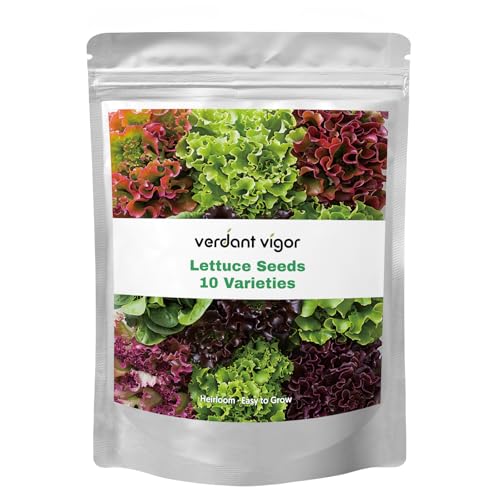
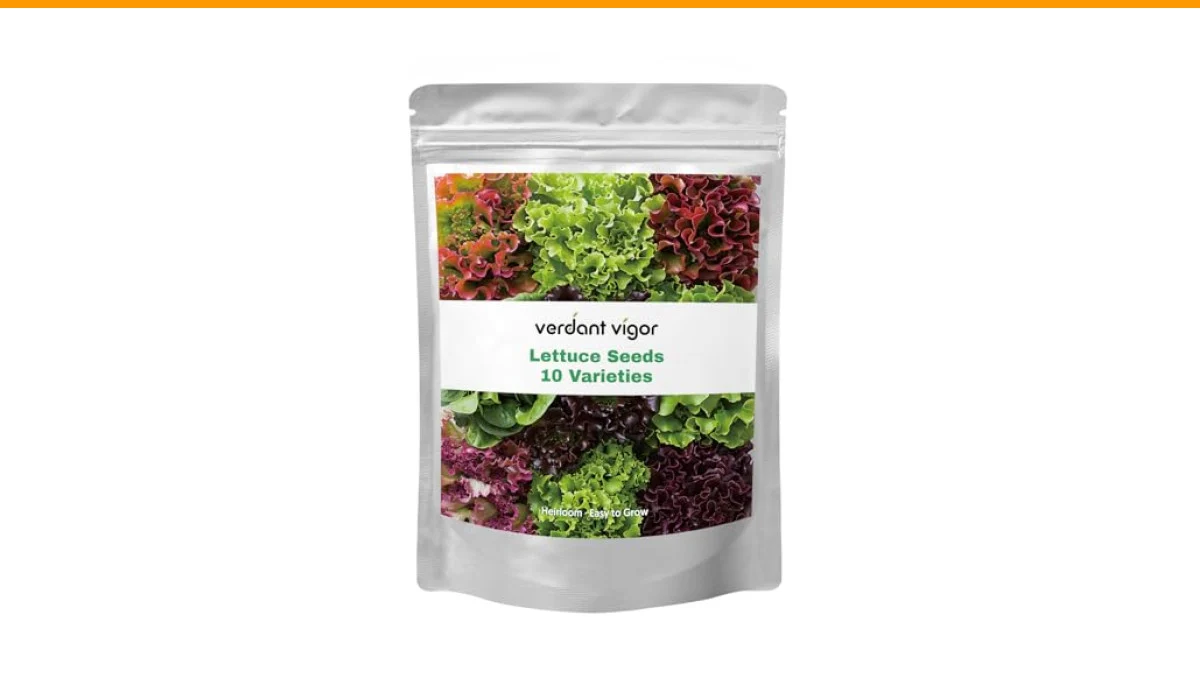
This article will guide you through the essential strategies to prevent bolting in summer lettuce. You’ll learn about selecting the right varieties, implementing effective growing practices, and maintaining optimal conditions for healthy, tasty lettuce. Additionally, we’ll discuss how the 20,000+ Lettuce Seeds 10 Varieties of Fresh Salad Greens from Verdant Vigor can help you get a head start on your summer lettuce garden.
Selecting the Right Varieties
Choosing bolt-resistant lettuce varieties is a critical first step in your summer gardening efforts. Some lettuce types are more prone to bolting than others. Here are a few varieties known for their heat tolerance:
- Butterhead Lettuce: Varieties like Buttercrunch are known for their flavor and texture, even in warm weather.
- Romaine Lettuce: Cimmaron and other romaine types can withstand higher temperatures without bolting.
- Leaf Lettuce: Oakleaf and Ruby Leaf have good heat resistance and produce tender leaves.
When selecting seeds, opt for those labeled as “heat-resistant” or “slow to bolt.” The 20,000+ Lettuce Seeds pack includes multiple varieties, making it easier to choose the best for your summer garden.
Optimal Growing Conditions
Providing the right growing environment is essential for preventing bolting. Here are key factors to consider:
- Soil Quality: Lettuce thrives in well-drained, nutrient-rich soil. Incorporate compost to enhance soil structure and nutrient content.
- Watering: Consistent moisture is vital. Aim to water your lettuce deeply at least once a week, or more frequently during hot spells. Drip irrigation can be particularly effective.
- Sunlight: While lettuce prefers full sun, too much heat can trigger bolting. Provide partial shade during the hottest part of the day, especially for young plants.
Maintaining these conditions will help keep your lettuce plants healthy and slow to bolt.
Timing Your Planting
Timing is crucial when it comes to growing lettuce in summer. Here’s how to time your planting effectively:
- Start Indoors: Begin your seeds indoors 4-6 weeks before the last frost date. Transplant them outdoors once the temperature stabilizes.
- Succession Planting: Plant new seeds every 2-3 weeks to ensure a continuous harvest. This method can help you manage heat fluctuations and minimize bolting.
- Monitor Temperatures: Aim to plant when temperatures are between 60-70°F (15-21°C). If a sudden heatwave is forecasted, consider delaying your outdoor planting.
These timing strategies will maximize your chances of a successful lettuce harvest.
Effective Growing Techniques
Implementing good gardening techniques can significantly reduce the likelihood of bolting. Here are some effective methods:
- Mulching: Use organic mulch to retain soil moisture and keep temperatures stable. A layer of straw or wood chips can do wonders.
- Row Covers: Lightweight row covers can provide shade while allowing sunlight and water to penetrate, protecting plants from extreme heat.
- Spacing: Give your lettuce sufficient space. Crowded plants can create a microclimate that leads to quicker bolting.
These growing techniques can create a more controlled environment that discourages premature flowering.
| Technique | Description | Effect on Bolting |
|---|---|---|
| Mulching | Applying organic materials around plants to retain moisture and regulate temperature. | Reduces heat stress and helps maintain soil moisture. |
| Row Covers | Thin fabric draped over plants for shade while allowing air and light through. | Shields plants from extreme heat, delaying bolting. |
| Succession Planting | Planting in intervals to ensure staggered harvests. | Helps manage heat exposure and reduces overall bolting risk. |
| Spacing | Properly spacing plants to allow air circulation and sunlight. | Prevents overcrowding, reducing heat buildup. |
What temperature causes lettuce to bolt?
Lettuce usually bolts when temperatures consistently exceed 75°F (24°C). Maintaining cooler conditions is crucial for preventing this.
How can I tell if my lettuce is about to bolt?
Signs of impending bolting include elongation of the stem and flower stalks appearing. Leaves may also become bitter at this stage.
Can I grow lettuce in containers during summer?
Yes, growing lettuce in containers allows for better control over soil and water conditions, which can help prevent bolting.
Is it possible to harvest lettuce before it bolts?
Absolutely. Harvesting young leaves regularly can encourage continued growth and delay the bolting process.
What is the best time of day to water lettuce?
Watering in the early morning is ideal. This timing allows plants to absorb moisture before the heat of the day.
Final Thoughts on Growing Lettuce in Summer
- Select heat-resistant lettuce varieties.
- Maintain consistent soil moisture and nutrient levels.
- Implement effective growing techniques like mulching and row covers.
- Time your planting to coincide with cooler temperatures.
- Harvest regularly to encourage growth.
- Consider growing in containers for better control over conditions.
- Explore diverse varieties with products like the 20,000+ Lettuce Seeds from Verdant Vigor.
Following these strategies will help ensure a bountiful harvest of crisp, flavorful lettuce all summer long.