
Oregano vs Marjoram: Key Differences Explained
Contents
Cooking can sometimes feel overwhelming, especially when it comes to choosing the right herbs. Imagine you’re preparing a delicious pasta dish. You reach for your spice rack, only to find both oregano and marjoram sitting side by side. They look similar, but what are the real differences? Understanding these herbs can elevate your culinary creations and prevent any confusion.
This article covers the essential distinctions between oregano and marjoram. You’ll learn about their flavor profiles, culinary uses, and even some interesting botanical facts. By the end, you’ll confidently know which herb to reach for in your recipes.

Badia
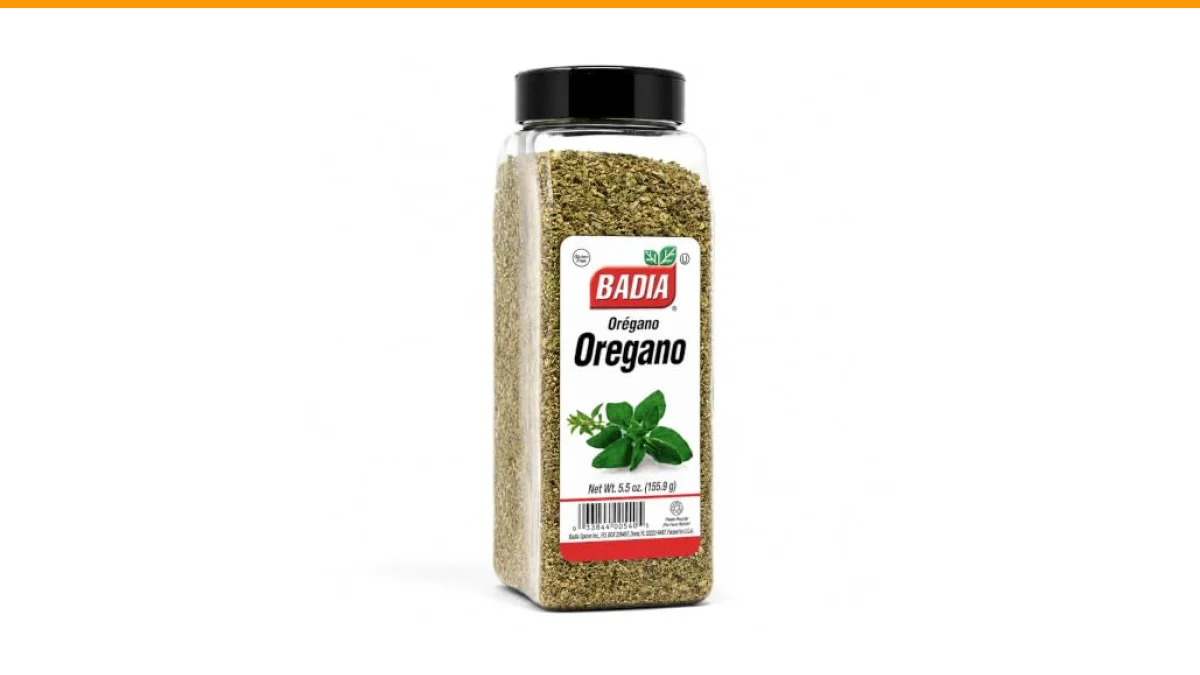
Badia Whole Oregano Leaves, 5.5 oz (Pack of 1) Aromatic Oregano for Cooking
- Badia Whole Oregano delivers a warm, slightly bitter, and peppery flavor that’s essential in countless recipes. It’s a key herb fo…
- Whole oregano leaves maintain more essential oils than crushed varieties, offering superior flavor and fragrance. Simply crush bet…
- Use it in tomato sauces, pizza, roasted vegetables, salad dressings, stews, grilled meats, and even homemade spice blends. It’s a…
If you want to make the most out of your cooking, consider using Badia Whole Oregano Leaves. These aromatic leaves are perfect for enhancing the flavor of your dishes, delivering the rich taste oregano is known for.
Flavor Profiles
Okay, but how much does flavor actually matter? Quite a bit! Oregano has a warm, slightly bitter flavor that can be described as peppery. It’s robust and can stand up to hearty dishes like marinara sauce or grilled meats. In contrast, marjoram offers a milder, sweeter taste with floral notes, making it ideal for lighter dishes such as chicken or vegetable soups. Understanding these flavor profiles can help you select the right herb for your dish.
Culinary Uses
What dishes work best with oregano versus marjoram? Oregano shines in Italian and Mediterranean cuisines. It’s a staple in pizza, tomato sauces, and even in marinades. Use it liberally when making chili or barbecue sauces as well. Marjoram is often used in dishes like sausages, dressings, and soups, especially those that are cream-based. Its delicate flavor can easily get lost in strong dishes, so reserve it for lighter fare.
Botanical Aspects
<pWhy should you care about the botanical differences? Oregano (Origanum vulgare) and marjoram (Origanum majorana) are both part of the mint family, yet they have distinct characteristics. Oregano is a perennial herb that grows taller and has more robust leaves. Marjoram, on the other hand, is a tender perennial, usually smaller with softer leaves. These differences can affect not only flavor but also how you grow and use each herb in your garden.
Comparison Table
| Aspect | Oregano | Marjoram |
|---|---|---|
| Flavor | Warm, peppery, slightly bitter | Mild, sweet, floral |
| Culinary Uses | Italian, Mediterranean dishes, marinades | Soups, dressings, sausages |
| Botanical Name | Origanum vulgare | Origanum majorana |
| Growing Conditions | Hardy perennial, prefers well-drained soil | Tender perennial, needs protection in winter |
| Appearance | Tall with robust, dark green leaves | Shorter with soft, lighter green leaves |
What are the main differences between oregano and marjoram?
The primary differences lie in their flavor profiles and culinary uses. Oregano is more robust and ideal for hearty dishes, while marjoram has a milder, sweeter flavor suitable for lighter meals.
Can I substitute oregano for marjoram?
Yes, you can substitute oregano for marjoram, but the flavor will be different. Oregano is stronger, so use less to avoid overpowering the dish.
Which herb is better for Mediterranean cooking?
Oregano is generally more favored in Mediterranean cooking due to its bold flavor, making it perfect for sauces and grilled meats.
How should I store dried oregano and marjoram?
Store both dried herbs in an airtight container, away from light and moisture. This helps preserve their flavors and aromas.
Can I grow oregano and marjoram at home?
Yes, both herbs can be grown at home. Oregano is more resilient to various conditions, while marjoram needs a bit more care, especially in colder climates.
Quick Summary of Key Points
- Oregano has a robust, peppery flavor; marjoram is milder and sweeter.
- Use oregano for hearty dishes; marjoram for lighter meals.
- Both are part of the mint family but have distinct growing habits.
- Oregano is more versatile in Mediterranean cuisines.
- Store dried herbs properly to maintain flavor.
- Both can be grown at home, with oregano being more resilient.