Imagine stepping into your backyard and finding a vibrant, aromatic space filled with plants that not only beautify your garden but also offer a plethora of health benefits. A medicinal herb garden can transform your outdoor space into a sanctuary where you can cultivate natural remedies to support your well-being. Whether you’re interested in creating a small herb patch or a larger garden, understanding how to design this unique space is key to your success.
This article will guide you through the essentials of medicinal herb garden design, covering everything from choosing the right herbs to creating an effective layout. You’ll leave with actionable insights that will enable you to start your garden journey with confidence. For those new to herbal gardening, consider checking out Rosemary Gladstar’s Medicinal Herbs: A Beginner’s Guide. This comprehensive book covers 33 healing herbs and offers practical advice on how to grow and use them.

Workman Publishing
Rosemary Gladstar's Medicinal Herbs: A Beginner's Guide: 33 Healing Herbs to Know, Grow, and Use
- Medicinal herbs beginner's
- Language: english
- Book - rosemary gladstar's medicinal herbs: a beginner's guide: 33 healing herbs to know, grow, and use
Designing your medicinal herb garden begins with understanding the specific needs of the herbs you want to grow. Let’s break down the essential components of effective garden design.

Choosing the Right Location
Finding the perfect spot for your garden is crucial. Here are key factors to consider:
- Sunlight: Most medicinal herbs thrive in full sun, needing at least 6-8 hours of direct sunlight daily.
- Soil Quality: Well-drained, nutrient-rich soil is ideal. Consider testing your soil pH and amend it as needed.
- Accessibility: Choose a location that is easy to access for regular maintenance like watering, weeding, and harvesting.
Designing Your Layout
Your layout can significantly influence your garden’s success. Consider these popular designs:
- Raised Beds: These are excellent for controlling soil quality and drainage. They can be built in various sizes and shapes, making them versatile for any garden space.
- Herb Spiral: This design involves creating a spiral of soil that allows for different microclimates, accommodating various herbs with differing sunlight and moisture needs.
- Container Gardening: Ideal for small spaces or patios, using containers allows for easy mobility and customization.
Regardless of the layout you choose, ensure plants are spaced according to their mature size to promote healthy growth.
Selecting Medicinal Herbs
When it comes to herbs, variety is both the spice of life and the foundation of your medicinal garden. Here are some essential herbs to consider:
- Lavender: Known for its calming properties, lavender is great for anxiety and insomnia.
- Chamomile: This herb is often used for its soothing effects on the digestive system.
- Echinacea: Popular for boosting the immune system, echinacea can help ward off colds.
- Peppermint: Useful for soothing headaches and digestive issues, peppermint is a favorite.
- Thyme: Not only a culinary herb, thyme has antiseptic properties and can aid respiratory health.
Maintenance Tips
Regular care is vital to keep your medicinal herb garden thriving. Here are practical maintenance tips:
- Watering: Herbs generally prefer consistent moisture but avoid waterlogging. Water deeply and less frequently.
- Fertilizing: Use organic fertilizers or compost to nourish your herbs without chemicals.
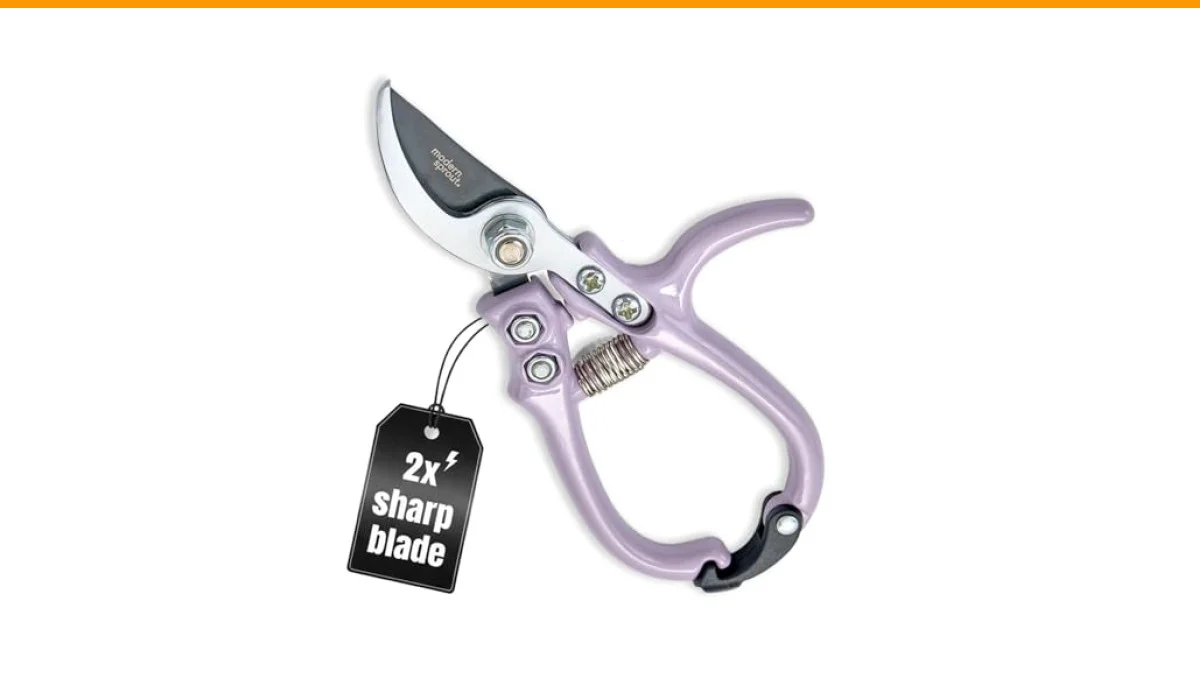
- Pruning: Regularly prune your herbs to encourage new growth and prevent them from becoming leggy.
- Pest Control: Use companion planting strategies and organic pest control methods to protect your herbs.
Here’s a useful comparison of different garden designs:
| Design Type | Pros | Cons |
|---|---|---|
| Raised Beds | Improved drainage, customizable | Requires more soil, initial setup cost |
| Herb Spiral | Space-efficient, microclimate variety | Complex design, requires planning |
| Container Gardening | Flexible, portable | Limited space, frequent watering needed |
What are the best herbs to grow in a medicinal herb garden?
The best herbs include lavender, chamomile, echinacea, peppermint, and thyme, as they offer various health benefits and are relatively easy to grow.
How much sunlight do medicinal herbs need?
Most medicinal herbs require 6-8 hours of full sunlight each day for optimal growth.
Can I grow medicinal herbs indoors?
Yes, many medicinal herbs can thrive indoors. Consider using a grow light if natural sunlight is insufficient.
How often should I water my herb garden?
Water deeply but less frequently. Check the top inch of soil; if it’s dry, it’s time to water.
What common mistakes should I avoid in herb gardening?
Common mistakes include overcrowding plants, neglecting to amend soil, and failing to provide adequate sunlight.
Final Thoughts
- Choose a sunny location with good soil drainage.
- Consider various garden designs such as raised beds or herb spirals.
- Select a mix of essential medicinal herbs for diversity.
- Maintain your garden with regular watering, fertilizing, and pruning.
- Be aware of common mistakes and learn from them to improve your garden.
- For more tips on herb gardening, check out the best garden trowel for herb gardens.
- Consider using containers if you have limited space or want to grow indoors.