As summer fades and the frost begins to settle in, many gardeners face a common dilemma: what to do with the abundant herbs they’ve nurtured throughout the warmer months. You may find yourself with a bountiful supply of basil, thyme, rosemary, and other herbs, all ready for use in your winter cooking. If you don’t take the proper steps to preserve them, all that hard work could go to waste. Fortunately, several effective methods exist to ensure your herbs remain flavorful and aromatic throughout the chilly months.
This guide will delve into various techniques for preserving herbs for winter, helping you choose the best approach for your needs. You’ll learn about drying, freezing, and alternative preservation methods. Additionally, we’ll introduce a practical tool that can simplify the drying process: the MEKOLIFE 6-Layer Herb Drying Rack. This collapsible mesh design allows for efficient air circulation, making herb drying quick and straightforward.

MEKOLIFE
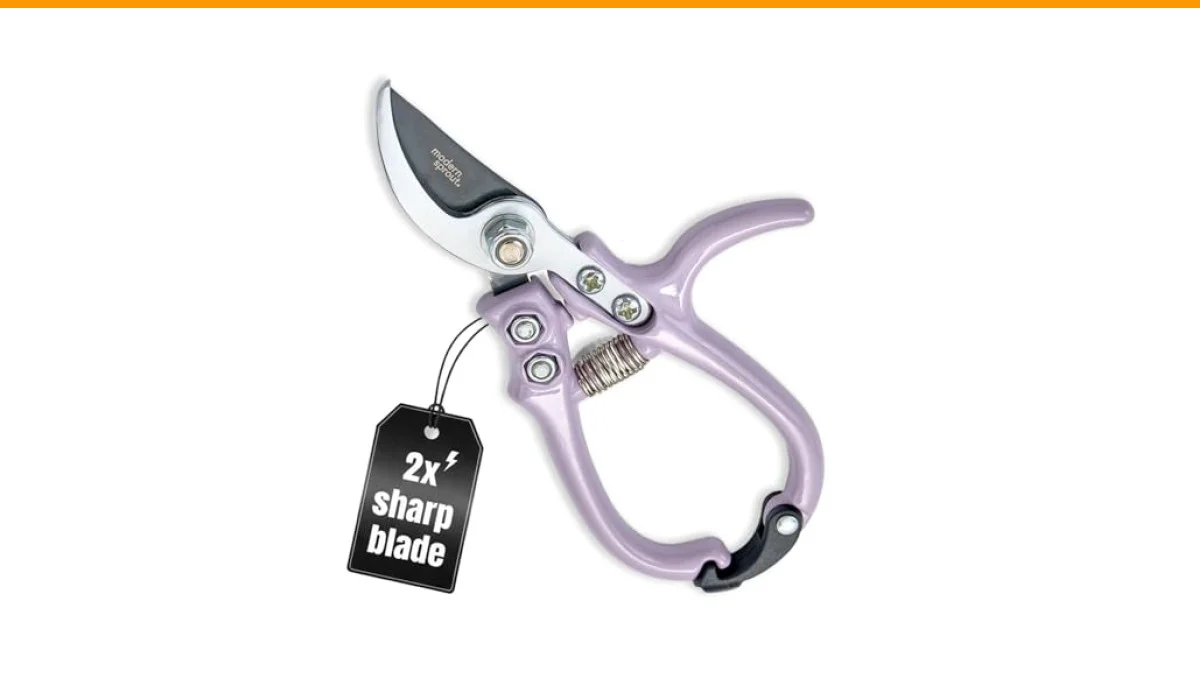
MEKOLIFE 6-Layer Herb Drying Rack with Collapsible Mesh Design | 23.62 Inch Hanging Drying Rack with Zipper and Garden Pruning Shears - Versatile Plant Drying Solution
- Perfect Design: The breathable mesh maintains air circulation, make drying herbs become very fast and easy. Each layer of zipper c…
- SPACE AND USAGE: Herb drying rack are available in 4, 6 and 8 layers, with the 6 layer measuring 23.6 x 23.6 x 47.3 inches. The mu…
- Eco-Friendly and Durable: Herb drying rack is composed of nylon material, built-in steel wire ring for steadiness,weed drying rack…
Drying Herbs: A Time-Honored Technique
Drying herbs is one of the oldest and most reliable methods of preservation. This process removes moisture, preventing mold and preserving flavor. Here are key steps to effectively dry herbs:
- Harvesting: Pick herbs in the morning after the dew has dried for the best flavor. Choose healthy, vibrant leaves.
- Cleaning: Rinse lightly in cool water to remove dirt, then pat dry with a clean towel.
- Bundling: Gather herbs into small bunches and tie them with string. Hang them upside down in a warm, dry, and dark place with good airflow.
- Duration: Most herbs will dry within 1-3 weeks, depending on humidity and temperature. Check regularly for dryness.
For quicker drying, consider using the MEKOLIFE 6-layer herb drying rack. Its breathable mesh design promotes airflow, allowing you to dry herbs faster while protecting them from pests.
Freezing Herbs for Long-Term Storage
Freezing is another effective way to preserve herbs. This method locks in flavor and aroma, making frozen herbs ideal for cooking. Here’s how to do it:
- Preparation: Clean and chop your herbs. For leafy herbs like basil or parsley, consider blanching them briefly in boiling water to preserve color and flavor.
- Ice Cube Trays: Fill ice cube trays with chopped herbs and cover them with water or olive oil. Once frozen, transfer the cubes to a freezer bag. This allows for easy portioning during cooking.
- Freezing Whole Sprigs: Alternatively, you can place whole sprigs in a freezer bag, remove as much air as possible, and seal. This method is ideal for herbs like thyme or rosemary.
Infusing Oils and Vinegars
Infusing oils and vinegars with herbs not only preserves them but also creates flavorful ingredients for cooking. Here’s how:
- Oil Infusions: Place clean, dry herbs in a sterilized glass bottle. Cover with olive oil and seal tightly. Allow the mixture to sit in a cool, dark place for 1-2 weeks before using.
- Vinegar Infusions: Similar to oil infusions, add herbs to vinegar and let them steep for a few weeks. Strain out the herbs before using the flavored vinegar in dressings or marinades.
These methods not only preserve your herbs but also add a unique touch to your culinary creations.
Comparative Overview of Preservation Methods
| Method | Pros | Cons | Best For |
|---|---|---|---|
| Drying | Long shelf life, retains flavor | Requires time and a dry environment | Thyme, oregano, sage |
| Freezing | Retains fresh flavor and aroma | Requires freezer space | Basil, cilantro, parsley |
| Infusions | Adds flavor to oils and vinegars | Long infusion time needed | Rosemary, garlic, thyme |
How long can dried herbs last?
Dried herbs can last 1-3 years if stored properly in a cool, dark place. However, their flavor may diminish over time.
Can I dry herbs in the oven?
Yes, you can dry herbs in the oven. Set the temperature to the lowest setting, spread herbs on a baking sheet, and dry for 1-2 hours, checking regularly.
What’s the best way to store dried herbs?
Store dried herbs in airtight containers away from light, heat, and moisture. Glass jars or dark, plastic containers work well.
Can I preserve herbs in salt?
Yes, herbs can be preserved in salt. Layer herbs and salt in a jar, covering the herbs completely. This method draws out moisture and enhances flavor.
Is it better to freeze or dry herbs?
It depends on the herb and intended use. Freezing retains more of the fresh flavor, while drying provides a longer shelf life.
Final Thoughts on Preserving Herbs for Winter
- Choose the method that fits your kitchen space and culinary needs.
- Consider using the MEKOLIFE drying rack for efficient herb drying.
- Regularly check the herbs for dryness and quality.
- Label and date your preserved herbs to keep track of freshness.
- Experiment with infusions for added flavor in your cooking.
- Utilize all parts of the plant—stems can be used for stocks or broths.
- Enjoy your preserved herbs throughout the winter in various dishes.
For more tips on winter gardening, explore our articles on small greenhouses and greenhouse insulation.