
Understanding Lawn Fertilizer Needs
Many homeowners struggle with determining the correct amount of fertilizer to apply to their lawns. Over-fertilizing can harm the grass and the environment, while under-fertilizing can lead to weak growth. Knowing how to calculate lawn fertilizer amount is essential for maintaining a lush, green yard.
In this article, you’ll learn how to measure your lawn area, interpret fertilizer labels, and calculate the precise amount of fertilizer needed for your grass type. This knowledge will help you make informed decisions and promote a healthy lawn.

Scotts
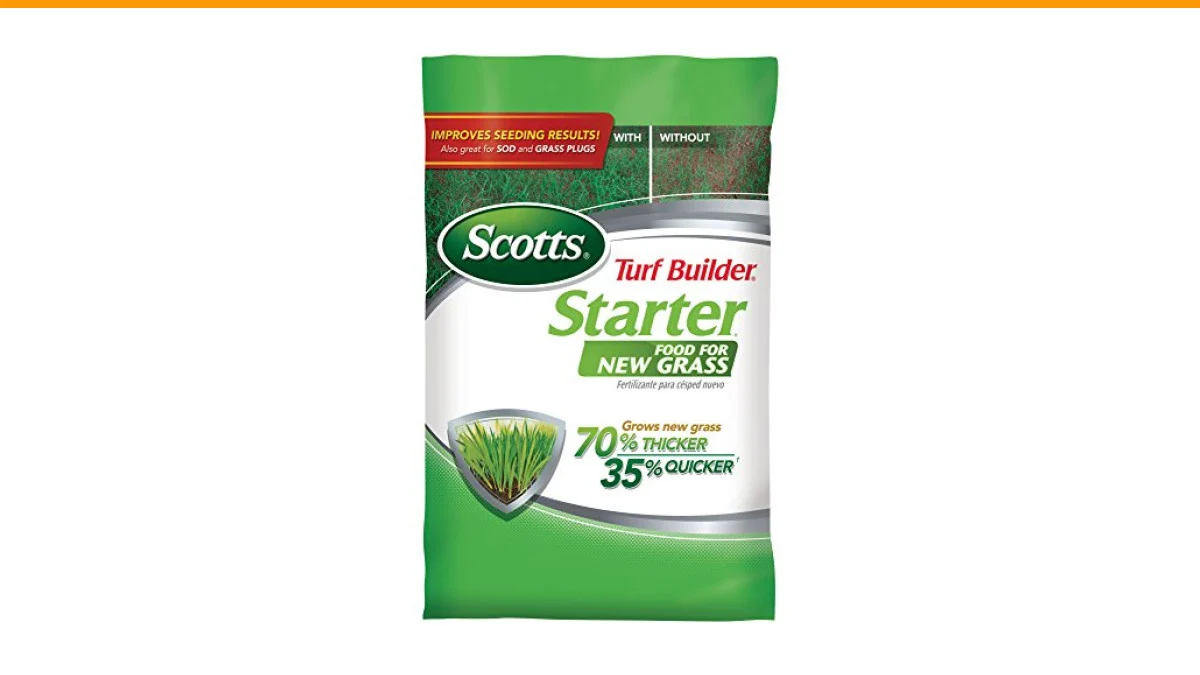
Scotts Turf Builder Starter Fertilizer for New Grass, 15 lbs. | Use When Planting Seed, Covers 5,000 sq. ft.
- FERTILIZER FOR NEW LAWNS: Scotts Turf Builder Starter Food for New Grass is a specially formulated starter fertilizer for grass se…
- SAFE FOR ALL GRASS TYPES: This 24-25-4 NPK lawn care product is safe to use on any grass type
- WHEN TO USE: Apply this lawn food anytime you're planting new grass, whether it's starting a new lawn, reseeding an existing one,…
For those starting new lawns, consider using Scotts Turf Builder Starter Fertilizer for New Grass. This fertilizer is designed to promote faster and thicker growth for newly seeded lawns, covering up to 5,000 square feet.
Step 1: Measure Your Lawn Area
Before applying any fertilizer, measure the area of your lawn. You can do this by dividing your lawn into smaller, manageable sections. Measure the length and width of each section, then multiply them to get the area in square feet. For example:
- Rectangular Lawn: Length x Width = Area
- Circular Lawn: 3.14 x (Radius x Radius) = Area
Add the areas of all sections together for the total lawn area. This measurement is crucial for calculating the fertilizer amount.
Step 2: Understand Fertilizer Labels
Fertilizers are labeled with three numbers representing the N-P-K ratio, which stands for nitrogen (N), phosphorus (P), and potassium (K). For example, a 24-25-4 fertilizer contains 24% nitrogen, 25% phosphorus, and 4% potassium. Each of these nutrients plays a vital role in lawn health:
- Nitrogen: Promotes leafy growth and green color.
- Phosphorus: Supports root development and overall strength.
- Potassium: Aids in drought resistance and disease protection.
Knowing the N-P-K ratio helps you select the right fertilizer for your lawn’s specific needs.
Step 3: Calculate the Amount of Fertilizer Needed
Once you know your lawn’s area and have chosen a fertilizer, use the following formula to determine how much to apply:
- Check the recommended application rate on the fertilizer label (usually in pounds per 1,000 square feet).
- Multiply the application rate by the total lawn area (in thousands of square feet).
For example, if the recommended rate is 5 pounds per 1,000 square feet and your lawn is 3,000 square feet:
5 lbs x 3 = 15 lbs of fertilizer needed.
Comparison Table of Fertilizer Types and Application Rates
| Fertilizer Type | N-P-K Ratio | Application Rate (lbs/1,000 sq ft) |
|---|---|---|
| Starter Fertilizer | 24-25-4 | 5 |
| General Purpose | 10-10-10 | 5 |
| Slow-Release | 20-5-10 | 3 |
| Organic Fertilizer | 5-2-0 | 6 |
Common Misconceptions About Lawn Fertilization
Myth: More Fertilizer Means Better Results
Many people believe that applying more fertilizer will yield better results. This is not true. Over-fertilization can lead to excess nitrogen runoff, which harms local waterways and can actually damage your lawn by burning the grass. Stick to the recommended rates for your chosen fertilizer.
Myth: Fertilization Is Only Needed in Spring
While spring is a popular time for fertilization, it’s not the only time. Fall fertilization is crucial for cool-season grasses, as it helps to prepare them for winter and promotes early spring growth. Adjust your fertilization schedule based on your grass type and local climate.
Myth: All Fertilizers Are the Same
Different fertilizers serve different purposes. For instance, starter fertilizers like Scotts Turf Builder are specifically formulated for newly seeded lawns. Understanding the unique benefits of each type ensures you choose the best fertilizer for your lawn’s needs.
Frequently Asked Questions
How do I know if my lawn needs fertilizer?
Signs your lawn may need fertilizer include yellowing grass, sparse growth, and poor color. A soil test can provide a definitive answer regarding nutrient deficiencies.
Can I apply fertilizer during a drought?
Avoid applying fertilizer during drought conditions. The stress on the grass may prevent it from absorbing nutrients effectively. Wait until the lawn receives adequate moisture.
How often should I fertilize my lawn?
Most lawns benefit from fertilization 2-4 times a year, depending on the grass type and local climate. A soil test can help tailor your fertilization schedule.
Is it safe to fertilize before rain?
Applying fertilizer before a light rain can be beneficial, as it helps the nutrients soak into the soil. However, avoid fertilizing before heavy rain, as this can lead to runoff.
What’s the best time to fertilize my lawn?
The best time to fertilize varies by grass type. For cool-season grasses, early spring and fall are ideal. For warm-season grasses, late spring and summer work best.
Essential Tips for Lawn Fertilization
- Always follow the manufacturer’s instructions for application rates.
- Consider a soil test to determine specific nutrient needs.
- Use a calibrated spreader for even application.
- Water your lawn after fertilization to help nutrients penetrate the soil.
- Be aware of local regulations regarding fertilizer application to protect water quality.
- Monitor your lawn’s health and adjust your fertilization plan as necessary.


