
Many homeowners dream of a lush, green lawn that enhances their home’s curb appeal. However, achieving this can sometimes feel like an uphill battle. You might find yourself wondering why your grass looks dull, patchy, or simply lacks that vibrant color you envision. The good news is that making your grass greener is entirely possible with the right techniques and a bit of commitment.
This article provides you with actionable steps to transform your lawn into a green oasis. From understanding your soil’s needs to applying the right fertilizers, you’ll gain insights that can lead to noticeable improvements in just a few weeks.
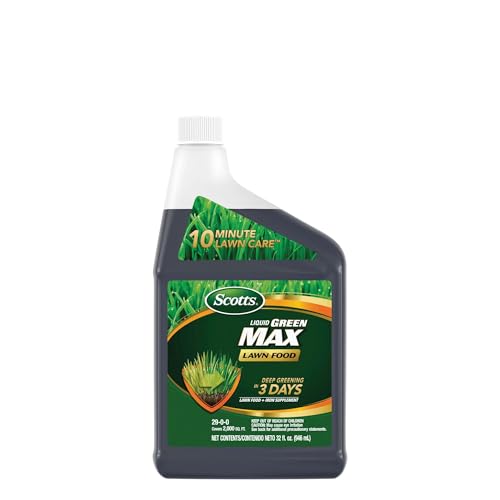
Scotts
Scotts Liquid Green Max Lawn Food Refill, 32 fl. oz. | Liquid Lawn Fertilizer and Iron Supplement, For Any Grass Type, Refill for Hose-End Applicator, 29-0-0 NPK
- 10 MINUTE LAWN CARE: 32 fl. oz. Scotts Liquid Green Max Lawn Food Refill feeds a 2,000 sq. ft. lawn in 10 minutes; just attach a r…
- LESS PLASTIC WASTE: This refill bottle allows you to reuse your grass food spray applicator (Scotts Liquid Green Max Lawn Food bot…
- DEEP GREENING: Our nitrogen fertilizer formula (29-0-0 NPK) is boosted with iron to give your lawn a deep green color in just 3 da…
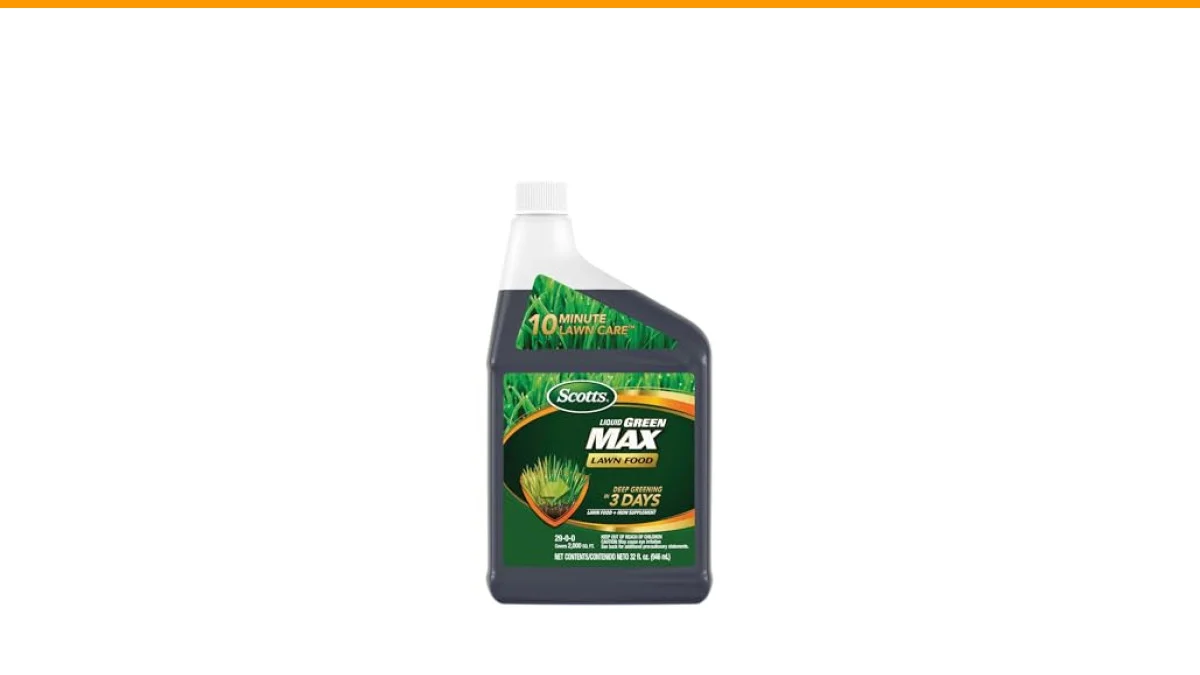
One product that can effectively contribute to this goal is Scotts Liquid Green Max Lawn Food. This liquid fertilizer is designed to provide a deep green color to your grass in as little as three days, making it a convenient choice for those seeking fast results.
Understanding Grass Needs
The first step in your quest for greener grass is understanding the specific needs of your lawn. Grass thrives under specific conditions, including the right soil type, moisture levels, and nutrients. Here are the key elements to consider:
- Soil Quality: Conduct a soil test to determine pH levels and nutrient content. Most grasses prefer a pH between 6.0 and 7.0.
- Watering: Grass typically needs about 1 to 1.5 inches of water per week. Adjust your watering schedule based on rainfall and temperature.
- Sunlight: Most grasses require 6-8 hours of sunlight daily. Ensure your lawn is not shaded by trees or structures.
Effective Fertilization Techniques
Fertilizing is a crucial component of making grass greener. Grass requires nitrogen, phosphorus, and potassium (N-P-K) for optimal growth. Here’s how to effectively fertilize your lawn:
- Choose the Right Fertilizer: Look for fertilizers with a higher nitrogen content for deep greening. For example, a fertilizer with an NPK ratio of 29-0-0 is excellent for boosting color.
- Timing is Key: Apply fertilizers during the growing season. For cool-season grasses, early spring and fall are ideal. For warm-season grasses, late spring through summer works best.
- Application Method: Use a spreader for granular fertilizers or a hose attachment for liquid ones like Scotts Liquid Green Max. This ensures even distribution and minimizes waste.
Watering Practices for Optimal Growth
Proper watering is essential for maintaining a lush lawn. Here are some tips to follow:
- Water Deeply: Instead of frequent shallow watering, aim for deep watering sessions. This encourages root growth. Early morning is the best time to water to prevent evaporation.
- Avoid Overwatering: Overwatering can lead to shallow roots and fungal diseases. Monitor rainfall and adjust your watering schedule accordingly.
- Use a Rain Gauge: A simple rain gauge can help you track how much water you are applying, ensuring you meet the necessary weekly amount.
Maintaining a Healthy Lawn
Beyond watering and fertilizing, regular maintenance is crucial for a green lawn. Here are some strategies:
- Mowing: Keep your mower blades sharp and adjust the height. For most grass types, a height of 2.5 to 3 inches will encourage deeper roots and healthier grass.
- Weed Control: Weeds compete for nutrients and water. Apply pre-emergent herbicides in early spring to prevent weed seeds from germinating.
- Core Aeration: Aerate your lawn every 1-2 years to relieve soil compaction and allow nutrients to penetrate deeper.
| Method | Benefits | Best Time |
|---|---|---|
| Soil Testing | Identifies nutrient deficiencies | Early Spring |
| Fertilizing | Enhances color and growth | Growing Season |
| Watering Deeply | Promotes root development | Morning |
| Mowing Correctly | Prevents disease and weeds | Weekly |
What can I do to make my grass greener quickly?
Using a high-nitrogen fertilizer like Scotts Liquid Green Max can provide rapid greening results. Apply it according to package instructions for best results.
How often should I fertilize my lawn?
Most lawns benefit from fertilization every 6-8 weeks during the growing season. Adjust based on the specific needs of your grass type.
Is it better to water in the morning or evening?
Watering in the morning is preferred as it reduces evaporation and allows grass blades to dry before nightfall, minimizing disease risk.
What is the ideal grass height for mowing?
Maintain grass height between 2.5 to 3 inches. This height supports healthy growth and helps shade out weeds.
Can I over-fertilize my lawn?
Yes, over-fertilizing can lead to nutrient runoff and lawn burn. Always follow the recommended application rates on the fertilizer package.
Actionable Steps for a Greener Lawn
- Conduct a soil test to assess pH and nutrient levels.
- Apply nitrogen-rich fertilizer during the growing season.
- Water your lawn deeply once a week.
- Mow regularly, keeping blades sharp and at the right height.
- Monitor for weeds and apply pre-emergent treatments as needed.
- Aerate your lawn every couple of years to ensure healthy soil.
- Consider using liquid fertilizers for fast, visible results.


