Gardening can often feel like a battle against nature. One day, your plants thrive in the sunlight, and the next, they’re wilting under a blanket of powdery mildew or blight. Fungal diseases are common and can quickly spread, affecting not just the health of individual plants but also the entire garden. Understanding how to effectively manage these issues can save your plants and ensure a bountiful harvest.
This article covers essential information about sulfur spray for fungal diseases, including its application, effectiveness, and safety. You’ll learn how to integrate it into your gardening routine along with other preventative measures to keep your plants healthy. Imagine not having to worry about those pesky fungal infections ruining your hard work!
Bonide
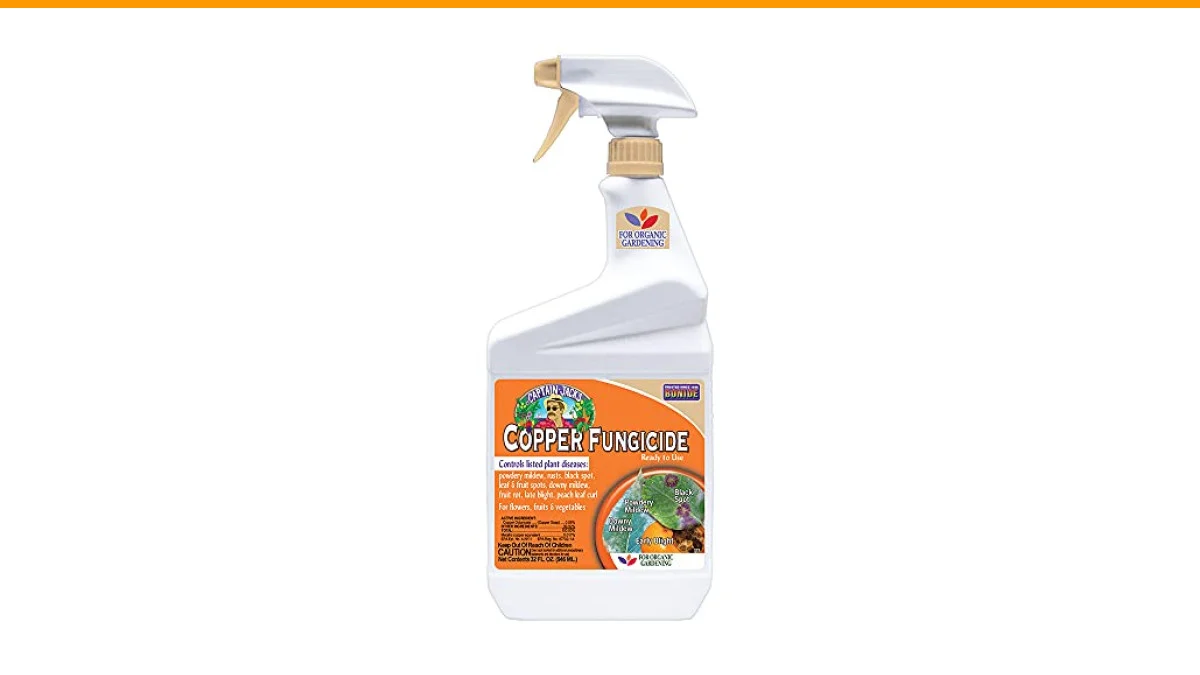
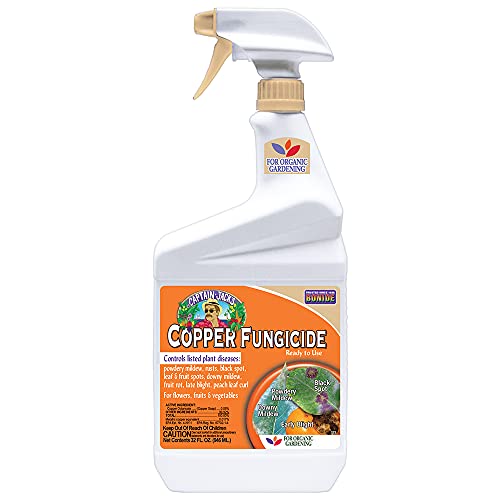
Bonide Captain Jack's Copper Fungicide, 32 oz Ready-to-Use Spray for Organic Gardening, Controls Common Diseases, for All Plants
- Control fungus and disease in your garden with Captain Jack’s ready-to-use Liquid Copper Fungicide!
- Approved for organic gardening, this fungicide is suitable for the production of organic produce and can even be used up until the…
- Copper Fungicide effective in the control and prevention of a wide range of plant diseases. Listed common garden diseases include…
One useful product in this realm is Bonide Captain Jack’s Copper Fungicide. This ready-to-use spray is effective against various plant diseases and is approved for organic gardening, allowing you to treat your plants up to the day of harvest.
What is Sulfur Spray?
Sulfur spray is a fungicide made from elemental sulfur, a naturally occurring mineral. It’s primarily used to treat and prevent fungal diseases in plants. Sulfur works by disrupting the cellular structure of fungi, effectively preventing their growth and reproduction. Many gardeners appreciate sulfur’s dual role, as it also acts as a pesticide against certain insect pests.
Common Fungal Diseases Treated with Sulfur Spray
Sulfur spray is effective against a range of fungal diseases, including:
- Powdery Mildew: A white, powdery fungus that commonly affects cucumbers, squash, and ornamental plants.
- Rust: A disease causing orange or brown lesions on leaves, impacting various plants.
- Blight: Often seen in tomatoes and potatoes, blight leads to dark spots and can devastate crops quickly.
- Downy Mildew: A water mold affecting many plants, particularly in humid conditions.
How to Use Sulfur Spray Effectively
When using sulfur spray, consider the following steps for optimal results:
- Timing: Apply sulfur sprays early in the morning or late in the evening to avoid direct sunlight, which can degrade the product.
- Concentration: Follow the manufacturer’s instructions on dilution. A common ratio is 2.5 to 5 tablespoons of sulfur per gallon of water.
- Application: Use a pump sprayer or hose-end sprayer for even coverage. Make sure to coat both the tops and undersides of leaves.
- Frequency: Reapply every 7 to 10 days during the growing season, especially after rain.
For those dealing with more severe infestations, combining sulfur spray with other treatments, such as copper fungicides, can enhance effectiveness.
Comparison of Sulfur Spray and Other Treatments
| Treatment | Active Ingredient | Effectiveness | Organic |
|---|---|---|---|
| Sulfur Spray | Elemental Sulfur | Effective against a variety of fungal diseases | Yes |
| Copper Fungicide | Copper Salts | Targets blight and downy mildew | Yes |
| Neem Oil | Neem Extract | Broad-spectrum pesticide and fungicide | Yes |
| Systemic Fungicides | Varies | Targets specific diseases | No |
FAQs About Sulfur Spray for Fungal Diseases
1. How does sulfur spray work against fungi?
Sulfur disrupts the cell walls of fungi, preventing them from growing and reproducing. It also reduces the spread of spores.
2. Is sulfur spray safe for all plants?
While sulfur is generally safe for most plants, some sensitive species, like certain orchids, may react adversely. Always conduct a patch test.
3. Can I use sulfur spray during flowering?
It’s best to avoid using sulfur during flowering, as it may affect pollinators and reduce the efficacy of pollination.
4. How often should I apply sulfur spray?
Reapply sulfur spray every 7 to 10 days during the growing season, especially after rainfall to maintain protection.
5. Is sulfur spray effective in humid conditions?
Sulfur can be effective in humid conditions, but make sure to apply it carefully, as high humidity can increase the risk of phytotoxicity.
Final Thoughts on Using Sulfur Spray
- Sulfur spray effectively controls various fungal diseases.
- Apply it early or late to avoid sunlight exposure.
- Combine with other treatments for severe infestations.
- Use a suitable sprayer for even application.
- Monitor plants regularly for signs of disease.
- Consider organic options, such as copper fungicides.
- Always follow manufacturer instructions for safety and effectiveness.