Ultimate Guide to Container Herb Garden Combinations
Contents
Imagine enjoying a fresh basil pesto made from herbs you grew yourself. Or envision garnishing your dishes with vibrant, homegrown cilantro. Creating a container herb garden lets you bring these experiences to life, even in limited spaces. Whether you have a small balcony or just a sunny windowsill, the right combination of herbs can transform your meals and your gardening experience.
This article will help you build a successful container herb garden by exploring the best herb combinations, care tips, and the advantages of using hydroponic systems. You’ll walk away with actionable insights to create a thriving herb garden that suits your culinary needs and lifestyle.

Ahopegarden
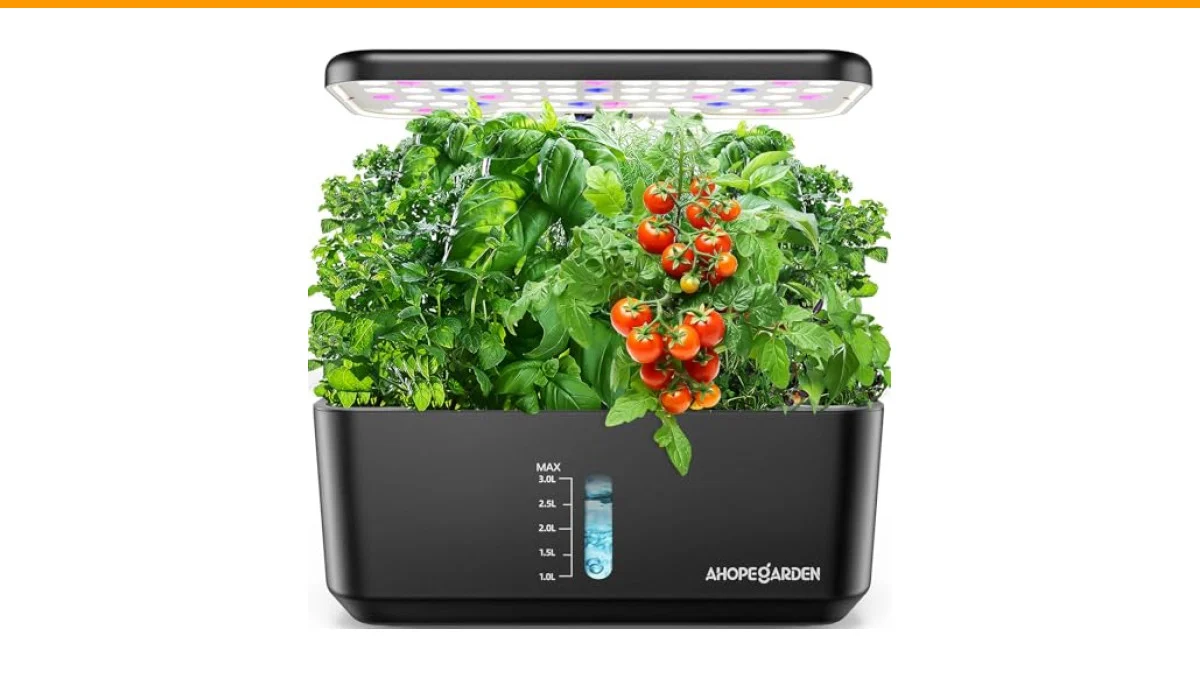
Ahopegarden Indoor Garden Hydroponics Growing System: 10 Pods Kit with LED
- High planting efficiency: Start an indoor herb garden with the Ahopegarden hydroponic growing system, which includes a water reser…
- 10 Pods & Water Level Window Included: This indoor grow kit with light offers 10 growing stations, The reservoir of our hydroponic…
- 2 Growing Modes for Veggies, Fruits & Flowers: The grow light of our indoor veggie growing system features full-spectrum lamps tha…
One excellent tool for starting your indoor herb garden is the Ahopegarden Indoor Garden Hydroponics Growing System. This system features ten growing pods, an adjustable LED grow light, and a water-level indicator, making it easier than ever to grow herbs indoors.
Choosing the Right Herbs for Your Container Garden
Okay, but how do you choose which herbs to grow together? The key is to consider their growth habits, water needs, and sunlight requirements. Here are some classic combinations:
- Basil, Oregano, and Thyme: These Mediterranean herbs thrive in similar conditions, preferring full sun and well-drained soil.
- Cilantro, Chives, and Parsley: These herbs have a similar growth cycle and enjoy cooler temperatures, making them perfect companions.
- Mint, Lemon Balm, and Catnip: All of these herbs enjoy moist soil and can tolerate partial shade.
When planning your container garden, consider the height and spread of each herb. Taller herbs like basil can overshadow shorter ones like chives, so arrange them accordingly.
Container Size and Drainage
So, how big should your containers be? A good rule of thumb is to use containers that are at least 12 inches in diameter for most herbs. This size provides adequate room for root development. Ensure that your containers have drainage holes to prevent waterlogging, which can lead to root rot.
For a mixed herb container, consider using a larger pot that can accommodate multiple plants. A 14-inch pot can hold three to four different herbs, allowing for a visually appealing arrangement and easy harvesting.
Hydroponic vs. Soil-Based Herb Gardens
Why should you consider hydroponics? Hydroponic systems, like the Ahopegarden Indoor Garden, offer a controlled environment for growing herbs. They can promote faster growth and healthier plants compared to traditional soil-based gardens. In a hydroponic system, nutrients are delivered directly to the roots, which can lead to higher yields.
However, traditional soil gardening has its advantages too. Soil retains moisture better and can be more forgiving for novice gardeners. For those who prefer a hands-on approach, soil gardening allows for a deeper connection with the plants.
Comparing Container Herb Garden Approaches
| Aspect | Soil-Based Gardens | Hydroponic Systems |
|---|---|---|
| Growth Rate | Moderate | Fast |
| Nutrient Delivery | Soil-based | Direct to roots |
| Water Management | Depends on soil | Automated |
| Space Requirements | Varies | Compact |
| Ease of Use | Simple | Requires setup |
What herbs grow well together in containers?
Herbs such as basil, oregano, and thyme grow well together due to their similar needs. Cilantro, chives, and parsley also pair nicely for cooler conditions. Combining herbs with different growth habits can help maximize space and yield.
How often should I water my container herb garden?
Most herbs prefer to dry out slightly between waterings. Check the top inch of the soil; if it feels dry, it’s time to water. In hydroponic systems, maintain the water level as indicated by the system’s guidelines.
Can I grow herbs indoors year-round?
Yes, many herbs can thrive indoors year-round, especially if you provide adequate light. Using a grow light, like the one in the Ahopegarden system, can simulate sunlight and promote healthy growth.
What type of soil is best for container herb gardens?
A well-draining potting mix is ideal for container herb gardens. Look for mixes specifically designed for herbs or vegetables, as they typically include the right balance of nutrients and drainage properties.
Can I use regular garden soil for my containers?
Using garden soil is not recommended for containers due to its density and poor drainage. It can lead to root rot and other problems. Stick with a high-quality potting mix for the best results.
Final Thoughts on Container Herb Garden Combinations
- Choose herbs with similar growing conditions for better results.
- Use containers at least 12 inches in diameter for a diverse herb garden.
- Consider hydroponics for faster growth and easier maintenance.
- Check your herbs regularly for water needs, especially in warmer weather.
- Experiment with different combinations to find flavors you love.
- Don’t forget to prune your herbs regularly to encourage growth.
- Explore resources to expand your herb gardening knowledge, such as indoor herb garden kits.
Building a container herb garden can be both fulfilling and practical. Embrace the journey of growing your own herbs and enjoy the flavors they bring to your kitchen.