Growing basil can be a rewarding experience, whether you cultivate it for culinary uses or simply enjoy its aromatic presence in your garden. However, many gardeners struggle with how to maintain their basil plants for optimal growth. You might find yourself with tall, leggy plants that produce fewer leaves than expected. The good news? Learning how to prune basil for bushier growth can transform your plants into vibrant, lush herb bushes.
This article will guide you through the essential techniques and timing for pruning basil effectively. You’ll understand the best practices to promote healthier, bushier growth, and we’ll also touch on tools that can help streamline the process. With the right methods, you can ensure a bountiful harvest all season long.
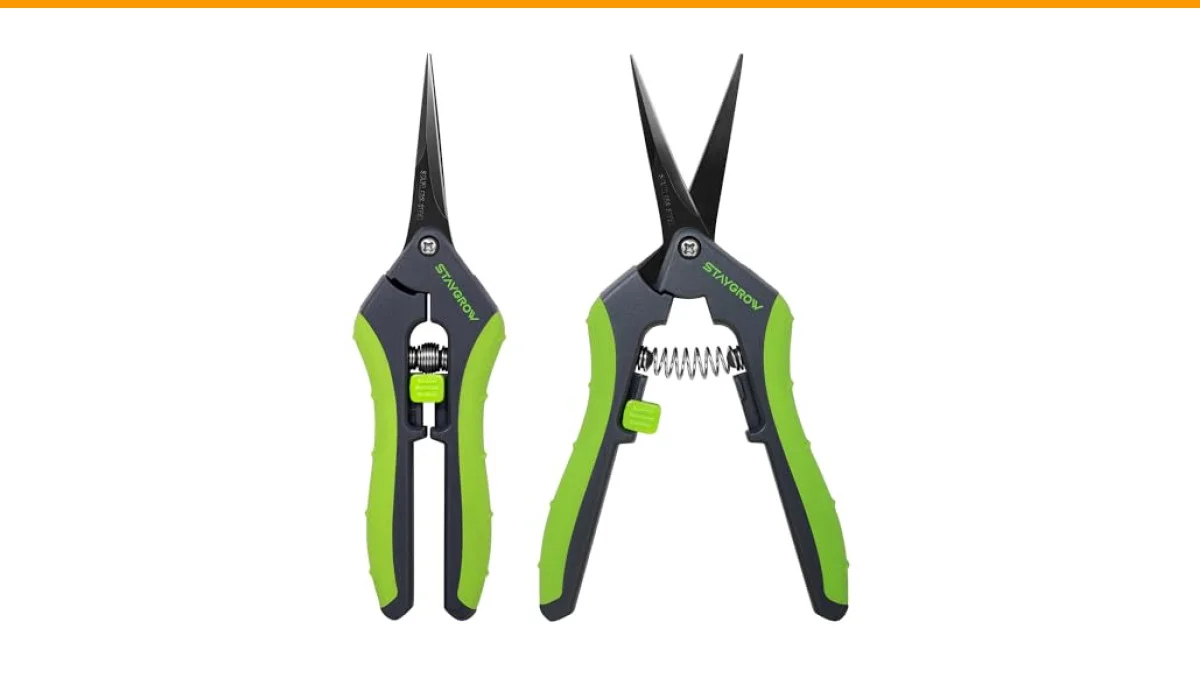
For your pruning tasks, consider using quality tools like the STAYGROW 2pcs 6.5″ Pruning Shears. These shears feature stainless steel blades that make precise cuts, which is crucial for encouraging robust plant growth.
Understanding When to Prune Basil
Timing plays a critical role in pruning basil. The best time to prune your basil is when the plant is actively growing, typically in the late spring through summer. Aim for pruning before the plant flowers, as flowering can redirect energy away from leaf production.
- Frequency: Prune basil every 2-4 weeks during the growing season.
- Best Time of Day: Early morning or late afternoon is ideal, when temperatures are cooler and moisture levels are higher.
Proper Techniques for Pruning Basil
To achieve bushier growth, follow these steps:
- Identify Growth Nodes: Look for leaf pairs, also known as nodes, along the stem. These are the points where new growth will emerge.
- Make the Cut: Using sharp pruning shears, cut just above a node. Aim for a 1/4 inch above the node to encourage new growth.
- Remove Flowers: Pinch off any flower buds as soon as you see them. This ensures the plant focuses energy on leaf production rather than seed formation.
- Trim Unhealthy Leaves: Remove yellowing or diseased leaves to foster overall plant health.
Each cut should be clean to minimize stress on the plant. Consider cutting back about one-third of the plant at a time to prevent shock and encourage new growth.
Common Misconceptions About Pruning Basil
Many gardeners have misconceptions regarding basil pruning. Let’s clarify a few of them:
Myth: More Frequent Pruning Means Faster Growth
While regular pruning is beneficial, over-pruning can stress the plant. It’s vital to balance pruning with the plant’s natural growth cycle. Pruning every two weeks is generally sufficient.
Myth: You Can Prune Anytime
Pruning basil during its dormant phase, typically in the fall or winter, can hinder growth. Always prune during the active growing season.
Comparing Pruning Techniques and Their Effects
| Technique | Pros | Cons |
|---|---|---|
| Node Pruning | Encourages bushy growth; maximizes leaf production. | Requires careful observation; risk of over-pruning. |
| Flower Removal | Redirects energy towards leaves; prolongs harvest. | May reduce aesthetic appeal. |
| Thinning | Improves air circulation; reduces disease risk. | Can lead to uneven growth if done improperly. |
Frequently Asked Questions
How much should I prune my basil?
Prune about one-third of the plant at a time. This promotes bushier growth while minimizing shock.
Can I use regular scissors to prune basil?
While regular scissors can work, using sharp pruning shears is better. They provide clean cuts and reduce damage to the plant.
What if my basil plant flowers?
If your basil flowers, pinch off the blooms immediately. This will redirect the plant’s energy back to leaf production.
Is it necessary to prune basil?
Pruning is not required, but it significantly enhances growth and leaf production. It also helps keep the plant healthy.
Can I propagate basil from cuttings?
Yes, basil cuttings can be propagated. Place cuttings in water or soil, and new roots will develop in a few weeks.
Final Tips for Bushier Basil
- Prune regularly during the growing season.
- Use sharp, clean tools for every cut.
- Monitor for pests and diseases.
- Water and fertilize appropriately to support growth.
- Consider companion planting to enhance growth.
- For more information on herb maintenance, check out this detailed guide.