Imagine stepping into your kitchen and snipping fresh basil, parsley, or rosemary from your own herb garden. Having a culinary herb garden not only enhances your cooking but also brings a sense of satisfaction and connection to nature. However, a well-thought-out garden layout is essential for maximizing space, ensuring proper light exposure, and facilitating easy maintenance. This article will guide you through the principles of designing an effective culinary herb garden layout, helping you grow your favorite herbs with ease.
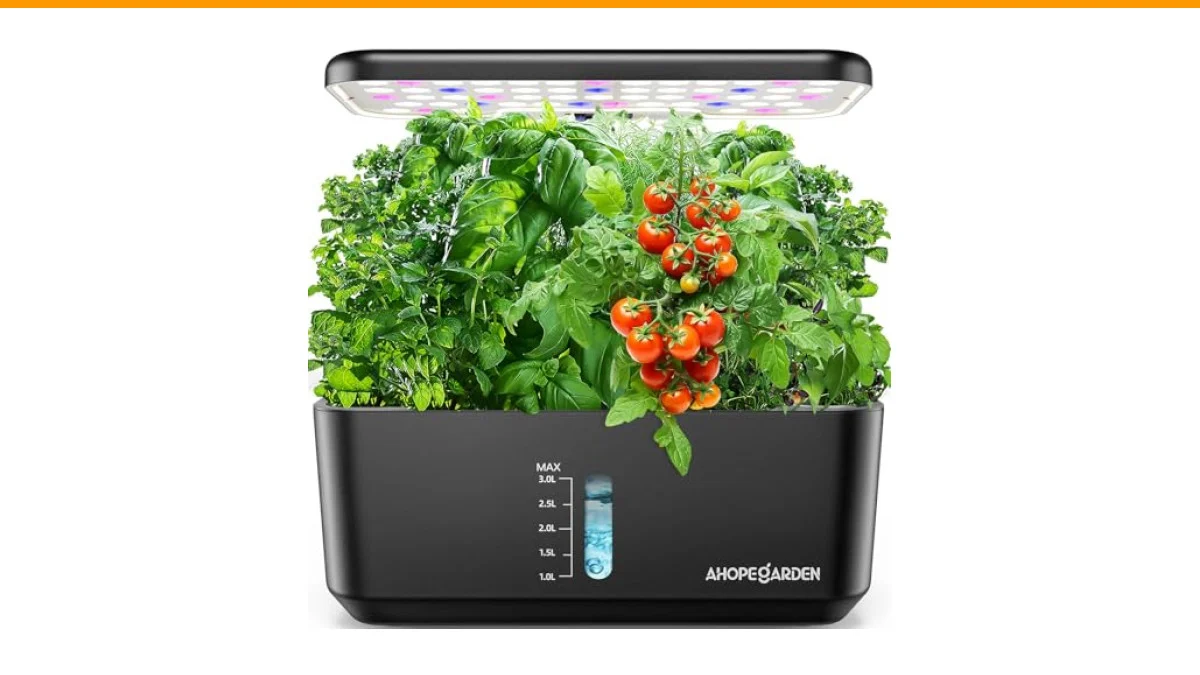
For those who prefer a more controlled environment, consider the Ahopegarden Indoor Garden Hydroponics Growing System. This hydroponic system includes ten pods, a water reservoir, and an adjustable LED grow light, making it ideal for cultivating herbs indoors. With its automated features, you can maintain a thriving herb garden even in limited space.

Ahopegarden
Ahopegarden Indoor Garden Hydroponics Growing System: 10 Pods Kit with LED | Plant Germination Kit Herb Vegetable Growth Lamp Countertop, Hydroponic Planter Grower Harvest Lettuce for Healthy Home Cooks
- High planting efficiency: Start an indoor herb garden with the Ahopegarden hydroponic growing system, which includes a water reser…
- 10 Pods & Water Level Window Included: This indoor grow kit with light offers 10 growing stations, The reservoir of our hydroponic…
- 2 Growing Modes for Veggies, Fruits & Flowers: The grow light of our indoor veggie growing system features full-spectrum lamps tha…
Essential Elements of a Culinary Herb Garden Layout
A successful herb garden layout hinges on several factors, including sunlight exposure, drainage, and accessibility. Here are some key elements to consider:
1. Sunlight Requirements
Most culinary herbs thrive in full sun, requiring at least 6-8 hours of direct sunlight each day. When planning your garden layout, identify areas in your garden that receive ample sunlight. If you’re growing herbs indoors, placing a hydroponic system near a south-facing window or using grow lights is crucial.
2. Spacing and Arrangement
Proper spacing allows for air circulation and prevents overcrowding. Generally, herbs should be spaced according to their mature size. For example, basil and parsley can be planted 12 inches apart, while thyme and chives can be closer together at 6 inches apart. Arranging taller herbs like dill or fennel towards the back or center of your garden bed ensures that they don’t overshadow shorter plants.
3. Soil and Drainage
Well-draining soil is vital for herb health. A mix of potting soil, compost, and perlite can provide the right balance of nutrients and drainage. If you’re using containers, ensure they have drainage holes. A layer of gravel at the bottom can also help prevent waterlogging.
4. Accessibility
Design your garden layout with access in mind. This includes pathways for easy movement between plants and the ability to reach your herbs for harvesting. Raised beds or vertical gardens can be excellent options for maximizing space in smaller areas.
Popular Culinary Herbs and Their Layout Considerations
When planning your herb garden, consider what herbs you use most in your cooking. Here’s a table that outlines some popular culinary herbs, their spacing requirements, and ideal companion plants.
| Herb | Spacing (inches) | Companion Plants |
|---|---|---|
| Basil | 12 | Tomatoes, Peppers |
| Parsley | 12 | Chives, Carrots |
| Thyme | 6 | Oregano, Rosemary |
| Chives | 6 | Carrots, Tomato |
| Mint | 18 | Peas, Cabbage |
Common Questions About Culinary Herb Garden Layouts
What is the best time to plant herbs?
Most herbs are best planted in the spring after the last frost. Some herbs, like parsley and cilantro, can also be sown in the fall. Indoor herbs can be planted year-round using a hydroponic system.
Can herbs grow in partial shade?
While many herbs prefer full sun, some can tolerate partial shade. Chives, mint, and parsley can grow well in less sunny spots, but they might not be as robust as those grown in full sunlight.
How often should I water my herb garden?
Herbs generally prefer to dry out slightly between waterings. Check the soil moisture; if the top inch feels dry, it’s time to water. In hot weather, herbs may require more frequent watering.
What are the best containers for growing herbs?
Choose containers that provide good drainage. Terracotta pots are excellent for herbs, as they allow moisture to escape. Ensure each container is large enough to accommodate the root systems of the herbs you choose.
How can I keep pests away from my herb garden?
Companion planting can help deter pests. For example, planting marigolds alongside your herbs can repel aphids. Regularly inspecting your plants and removing any pests by hand can also be effective.
Final Recommendations for Your Culinary Herb Garden Layout
- Choose a sunny location or use a hydroponic growing system.
- Space your herbs according to their mature size for optimal growth.
- Utilize well-draining soil to prevent root rot.
- Plan your layout for easy access and maintenance.
- Consider companion planting to enhance growth and deter pests.
- Regularly monitor your herbs for signs of pests or disease.
- Enjoy the benefits of fresh herbs in your cooking and enhance your meals.
Designing a culinary herb garden layout requires careful planning, but the rewards are well worth the effort. With the right approach, you can cultivate a vibrant herb garden that brings flavor and freshness to your kitchen.