Imagine stepping into a garden where the colors harmonize perfectly, creating an inviting atmosphere that captivates the senses. The vibrant hues of flowers and foliage can evoke emotions, telling a story through their arrangement. For gardeners, understanding color theory is essential for crafting stunning landscapes that not only please the eye but also enhance the overall gardening experience. This article will explore the principles of color theory in garden design, providing practical tips and insightful examples to help you create a vibrant and cohesive garden.
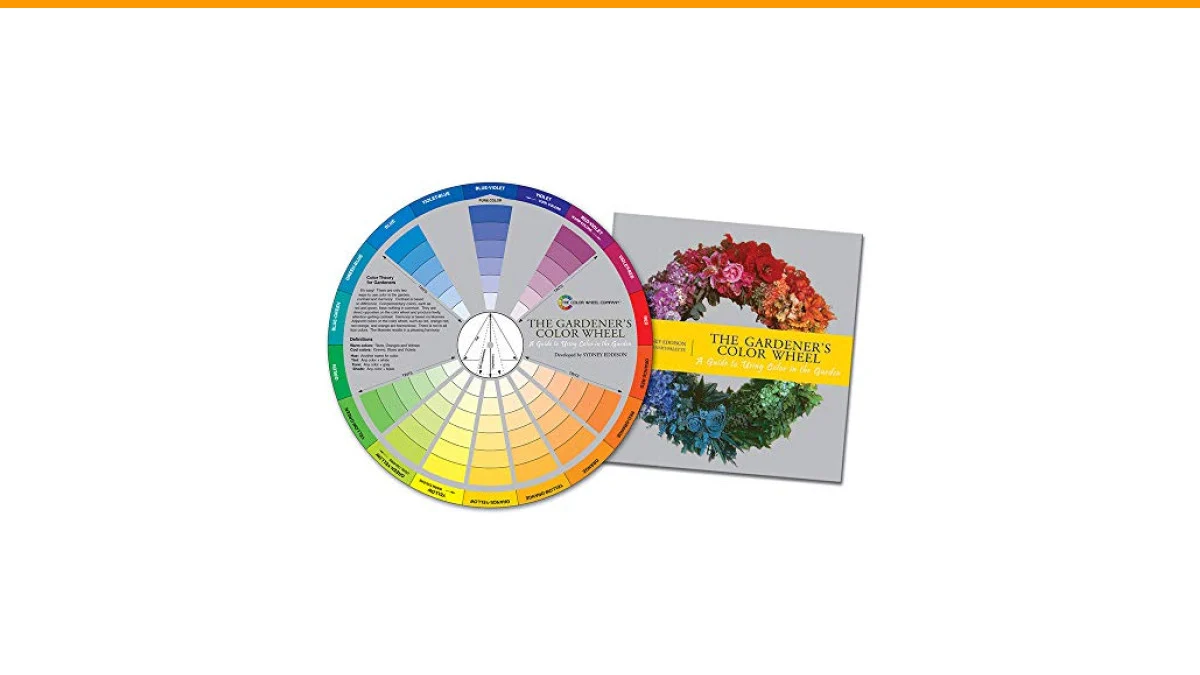
One tool that can greatly assist in applying color theory is the Color Wheel Gardener’s Helps Gardeners Create Exciting Color Combinations. This resource offers a large, easy-to-read color wheel along with an illustrated booklet. It helps gardeners visualize and create exciting color combinations, simplifying the design process.

Color Wheel
Color Wheel Gardener's Helps Gardeners Create Exciting Color Combinations. (Pkg/1)
- large 9-1/4" dia. is easy to read and handle
- Includes 8-Page Color Illustrated Booklet
- UV-Coated To Minimize Fading
Core Principles of Color Theory
Color theory consists of several core principles that guide how colors interact in a garden setting. Understanding these principles can help you make informed choices when selecting plants and arranging them.
1. The Color Wheel
The color wheel is a fundamental tool in color theory. It consists of primary colors (red, blue, yellow), secondary colors (green, orange, purple), and tertiary colors (like red-orange or blue-green). When designing a garden, using the color wheel can help you identify complementary, analogous, and triadic color schemes.
- Complementary colors: These are opposite each other on the color wheel, like blue and orange. They create high contrast and vibrant looks.
- Analogous colors: These are next to each other on the wheel, such as yellow, yellow-orange, and orange. They create harmonious designs.
- Triadic colors: These are evenly spaced around the wheel, like red, yellow, and blue. This scheme offers balance and diversity.
2. The Impact of Color Temperature
Colors can be classified as warm or cool. Warm colors (reds, yellows, oranges) tend to energize a space, while cool colors (blues, greens, purples) create a calming atmosphere. Consider the mood you want to evoke before choosing your color palette.
For instance, a garden designed with warm colors can be ideal for entertaining areas, while cool colors suit tranquil spaces like meditation gardens.
3. Seasonal Color Changes
Seasonality plays a crucial role in garden color theory. Different plants bloom at various times, and their colors can change throughout the seasons. Incorporating plants that provide year-round interest ensures your garden remains visually appealing regardless of the time of year.
For example, spring bulbs such as tulips and daffodils bloom in vibrant colors, while autumn foliage displays warm oranges and reds. Planning for seasonal changes can enhance your garden’s aesthetic over time.
Color Combinations in Garden Design
Creating effective color combinations in your garden involves more than just picking favorite flowers. Here are some strategies to consider:
1. Use Focal Points
Focal points draw the eye and can be created with bold colors or unique plants. For instance, a bright red flower can serve as a focal point in a sea of green foliage. This principle helps in guiding visitors through your garden.
2. Consider Color Proportions
Achieving balance in your garden can depend on how much color you use. A good rule of thumb is to follow the 60-30-10 rule: 60% of your garden should be a dominant color, 30% a secondary color, and 10% an accent color. This approach promotes harmony and prevents any single color from overwhelming the space.
3. Use Texture and Form
Color isn’t the only aspect to consider. Different textures and forms of plants can enhance the visual appeal of your garden. Combining plants with smooth leaves alongside those with rough or fuzzy textures can create a dynamic landscape.
Comparison of Color Schemes
| Color Scheme | Description | Examples |
|---|---|---|
| Complementary | High contrast colors that energize the space. | Red & Green, Blue & Orange |
| Analogous | Colors next to each other that create harmony. | Yellow, Yellow-Orange & Orange |
| Triadic | Three evenly spaced colors for balance. | Red, Yellow & Blue |
| Monochromatic | Variations of a single hue for simplicity. | Light Blue, Medium Blue, Dark Blue |
Common Questions About Color Theory in Garden Design
What is the best color scheme for a small garden?
For small gardens, a monochromatic scheme often works best. It creates the illusion of space and simplicity. Choose a single color and vary the shades to add interest.
How can I use color to attract pollinators?
Bright colors, especially purples, blues, and yellows, tend to attract pollinators like bees and butterflies. Incorporating these colors in your planting scheme can enhance biodiversity in your garden.
What role does lighting play in color perception?
Lighting significantly affects how colors appear. Morning light can make colors look softer, while harsh midday sun can wash them out. Consider the light conditions in your garden when selecting plants.
Can I use color theory with vegetables and herbs?
Absolutely! Many vegetables and herbs have vibrant colors that can be used to create visually appealing edible gardens. For instance, purple basil or rainbow chard adds both color and flavor.
How often should I change my color scheme?
Seasonal changes can inspire a shift in your garden’s color scheme. Consider replanting or adding seasonal plants every year to maintain interest and variety.
Final Thoughts on Color Theory in Garden Design
- Understand the color wheel to create harmonious combinations.
- Consider warm and cool colors to set the mood.
- Plan for seasonal changes to maintain visual interest.
- Utilize focal points and balance color proportions for effective design.
- Pay attention to texture and form alongside color.
- Experiment with combining edible plants for both beauty and utility.
- Regularly reassess your garden to keep it fresh and engaging.
Incorporating color theory into your garden design can transform your outdoor space into a vibrant, inviting area. With thoughtful planning, you’ll create a garden that is not only beautiful but also a true reflection of your personality.