Winter gardening can feel like a lost cause. The cold, harsh conditions discourage even the most dedicated gardeners. However, with the right techniques, you can keep your garden thriving, even when temperatures drop. Cold frame gardening allows you to extend the growing season, making it possible to enjoy fresh vegetables and herbs long after the first frost.
This article offers insights into effectively using cold frames during winter, including plant selection and maintenance. You’ll walk away with practical knowledge that empowers you to keep your garden alive and fruitful, no matter the season.

GIANTEX
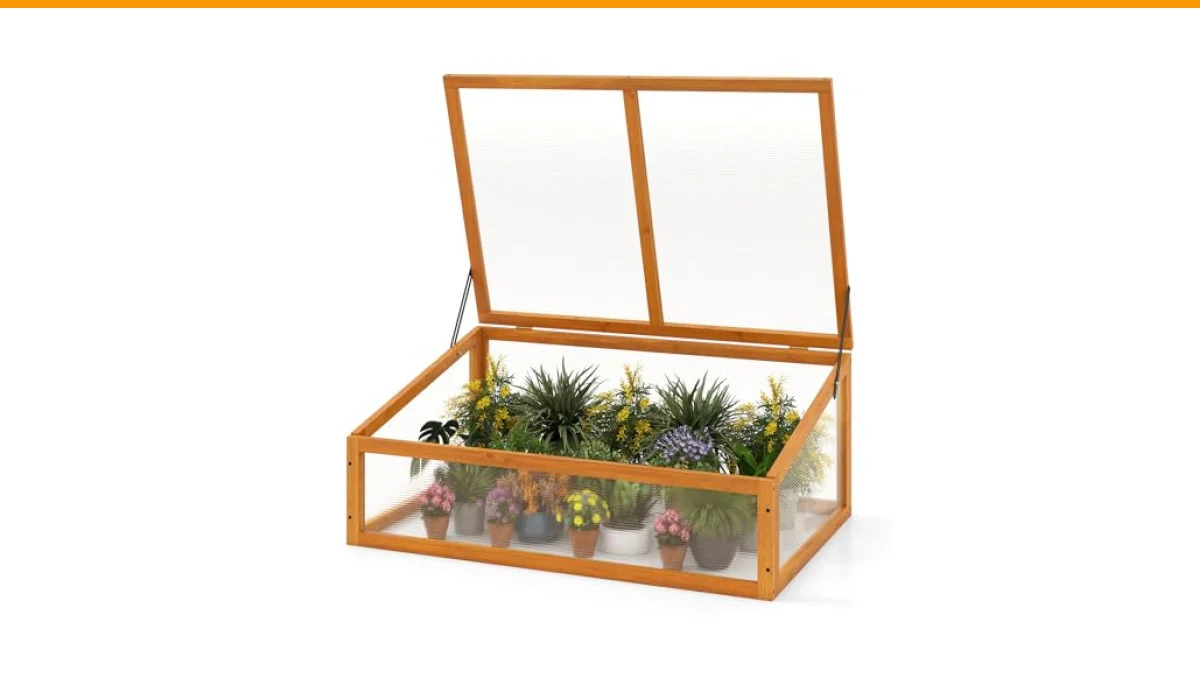
Giantex Wood Cold Frame Greenhouse, Portable Raised Planter Bed Protection with Transparent Flip-top Roof, Small Indoor Outdoor Hot House for Garden Sunroom Balcony, 37”x25”x16”
- [Extend the Growing Season]: Protect emerging seedlings from chilly spring or fall temperatures with the cold frame greenhouse, al…
- [Premium Light Protection]: Featuring crystal-clear panels, the mini hot house delivers excellent insulation for sensitive sprouts…
- [Adjustable Roof for Effortless Access]: The easily adjustable roof hold securely by sturdy bolts, which grants hassle-free access…
A useful tool for achieving this is the Giantex Wood Cold Frame Greenhouse. This portable raised planter bed features a transparent flip-top roof, allowing you to easily access your plants while ensuring they receive adequate sunlight and protection from cold temperatures.
Understanding Cold Frames
Cold frames are essentially mini greenhouses that protect plants from harsh weather conditions. They trap heat from sunlight during the day and provide a warmer environment for plants during the night. This is especially beneficial in winter when temperatures can drop significantly. Research shows that cold frames can increase soil temperatures by as much as 10°F to 20°F compared to outside conditions, promoting healthier growth.
When selecting a cold frame, consider materials, size, and construction. A well-constructed frame with a transparent cover, like the Giantex model, can significantly enhance your gardening experience.
Choosing the Right Plants for Winter Gardening
What can you actually grow in a cold frame during winter? Understanding your local climate is essential. In general, you can grow hardy vegetables and greens that can withstand colder temperatures. Some examples include:
- Spinach
- Kale
- Swiss chard
- Carrots
- Radishes
- Garlic
These plants thrive well in cooler conditions and can be sown in late fall or early winter. Notably, spinach and kale can survive frost, making them ideal candidates for cold frame gardening in winter.
Maintenance Tips for Cold Frame Gardening in Winter
Maintaining a cold frame requires regular attention, but it’s manageable. Here are some key tips:
- Temperature Monitoring: Keep an eye on the temperature inside the frame. On sunny days, it can get quite warm, so you may need to ventilate by propping open the lid.
- Watering: Plants in a cold frame may not need as much water in winter. Check soil moisture regularly to avoid over-watering.
- Frost Protection: On cold nights, consider adding extra insulation, like blankets or bubble wrap, to retain heat.
- Pest Management: Inspect your cold frame regularly for pests. The enclosed environment can promote pest populations if not monitored.
These practices can help ensure your plants remain healthy throughout winter.
Comparing Cold Frame Options
| Type | Material | Size | Insulation Quality | Portability |
|---|---|---|---|---|
| Wooden Frame | Wood with Glass/Plexiglass | Varies (e.g., 37”x25”x16”) | Good | Medium |
| Plastic Frame | Plastic | Smaller Sizes Available | Fair | High |
| Metal Frame | Metal with Glass | Larger Models | Excellent | Low |
Choosing the right type of cold frame can make a big difference in your gardening success. Each type has its pros and cons, so consider what fits your space and needs best.
What are the benefits of using a cold frame in winter?
Using a cold frame extends the growing season, protects plants from frost, and allows for better control over growing conditions. This leads to healthier plants and more successful harvests.
Can I grow tomatoes in a cold frame during winter?
Tomatoes are not suitable for winter cold frames as they are sensitive to frost. It’s best to wait for warmer months to grow them.
How much sunlight do cold frames need?
Cold frames should receive at least 6 hours of direct sunlight per day. Positioning them in a south-facing location maximizes sunlight exposure.
How often should I check on my cold frame?
Regular checks are essential, especially during extreme weather conditions. Aim to inspect your cold frame at least once a week.
Do cold frames require a lot of maintenance?
Cold frames require moderate maintenance. Monitoring temperatures, watering, and pest control are key tasks, but they are manageable with a little planning.
Practical Steps for Successful Winter Gardening
- Choose hardy plants like kale and spinach.
- Monitor temperatures regularly inside your cold frame.
- Ensure adequate sunlight by placing your cold frame in a sunny spot.
- Use insulating materials on particularly cold nights.
- Inspect for pests to prevent infestations.
- Consider investing in a reliable cold frame like the Giantex model for ease of use.
- Learn more about cold frames and mini greenhouses to enhance your winter gardening efforts.
With these strategies, you can confidently approach cold frame gardening in winter. By selecting the right plants and maintaining optimal conditions, your winter garden can thrive and provide fresh produce well into the colder months.