You push the fork into the bed, hit a pocket of clay, and watch the tines splay outward like a cheap umbrella in a storm. Five minutes later the handle wobbles because the weld gave up. It’s the same story every spring for gardeners who buy on looks instead of build.

A hand fork earns its place in the tool bag when three things line up: tines stiff enough to pry without bending, a head-to-handle joint that survives leverage, and a grip you can hold for an hour without cramping. Stainless tines shed wet soil better than painted carbon steel. Forged heads outlast welded ones in rocky ground. Tine spacing decides whether you’re lifting a taproot or just scratching the surface.
We tested five forks across clay, rocky and loam plots, logged which ones bent and which held, and matched each tool to the jobs it actually does well. The Berry&Bird stainless fork takes the top spot for all-round border work, the Haliaeetus is the pick for deep taproots, and the Garden Guru wins on grip comfort for arthritic hands. The table below lines up the specs before the full reviews.
Compare the key specs side by side before you read the full reviews.
| Features | Berry&Bird Hand Fork | Haliaeetus Hand Fork | Garden Guru Fork | Berry&Bird Long Handle | MECHEER Hand Rake |
|---|---|---|---|---|---|
| Material & Build | Stainless steel, ash handle | Thick stainless, seamless weld | Rust-resistant stainless tines | Stainless head, 12-inch ash | Aluminum alloy, TPR grip |
| Key Specification | FSC-certified ash handle | 12.3-inch total length | Ergonomic pressure-relief grip | 22.6-inch overall length | 0.28-inch thick claws |
| Main Feature | Traditional manual build | 3 sharp tines for taproots | Hang hole for storage | Extended reach, less kneeling | 3 curved deep-penetrating claws |
| Best Use Case | Borders, pots, beds | Large weeds, hard soil | Transplanting, mulch spreading | Border work without kneeling | Cultivating, aerating, weeding |
| Warranty | 2 years | Lifetime | Lifetime | 2 years | Not stated |
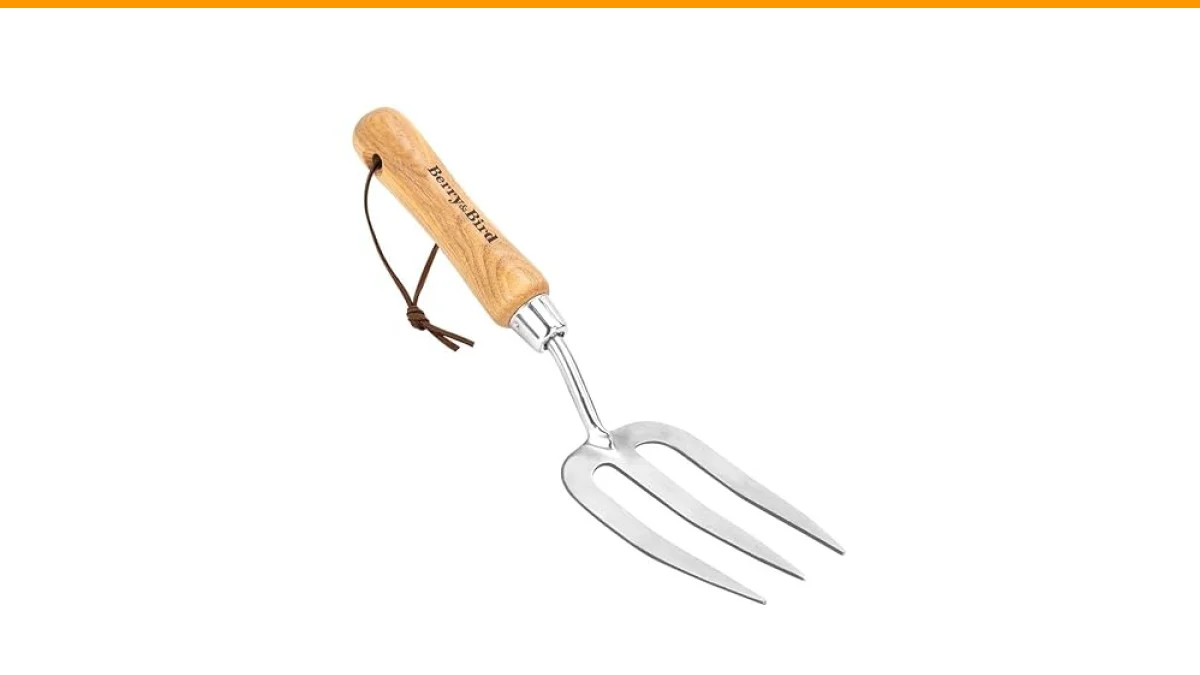
Berry&Bird Gardening Hand…

Berry&Bird
Berry&Bird Gardening Hand Fork, Stainless Steel Hand Weed Fork | Traditional Garden Hand Fork Tool with Ergonomic Ash Wood Handle, Garden Tool for Weeding, Digging, Planting and Cultivating
- WHAT YOU GET - 1 * Stainless Steel Hand Fork. Our garden forks are made by traditional manual process and can be used for more tha…
- ERGONOMIC DESIGN- Berry&Bird hand fork has good balance and comfortable proportion, which is very suitable for planting in small a…
- STRONG AND TOUGH - Ideal for aerated soil, it will not bend under the action of force when used for harder garden work. The sharp…
The one you buy when you want a fork to outlast the garden bed itself.
Berry&Bird builds this fork the old way, by hand, and it shows in the finish. The stainless head and ash handle meet cleanly with no sloppy weld bead. It suits border work, container planting and light bed cultivation. If you keep a small tool caddy by the back door and want one fork for everything, this is the sensible default.
The ash handle comes from FSC-certified forest stock, which matters if you’d rather not buy tools made from unclear timber sources. The wood darkens and smooths with use, so a fork that feels slightly dry on day one gets better by month six. Stainless tines release damp clay without the clumping you get from painted steel. We pushed it into heavy loam and the tines flexed but never splayed.
It’s not the longest fork here, so deep taproots need a second pass. The 2-year warranty is shorter than the lifetime coverage on some rivals. And if your soil is full of fist-sized rocks, you’ll want the thicker tines of the Haliaeetus instead.
- Stainless head with FSC-certified ash handle
- Manual build with tight head-to-handle fit
- Good balance for pots, beds and borders
- Handle smooths and darkens with use
- 2-year warranty, 30-day replacement window
Best for: The gardener who wants one durable fork for mixed border and container work.
Haliaeetus Garden Hand Fo…

Haliaeetus
Haliaeetus Garden Hand Fork, 12.3'' Hand Weeding Fork with Sharp Tine | for Easy Uprooting Large Weeds, Stainless Steel Garden Fork, Comfortable Wood Handle Hand Fork for Loosening Soil, Composting
- 【Great to Uproot Large Weeds】The gardening fork easily goes through the ground to digs deep under the weed and give more reach and…
- 【Loosens Soil Almost Effortlessly】With sharp and sturdy 3 prong tine that make it very easy to break through hard soil, even if yo…
- 【Comfortable Wooden Handle】Wood is a natural shock absorber and will not cause sore wrists even work for a few hours. The handle o…
The brute of the group — the fork you grab when the weeds have won.
Haliaeetus designed this fork around one job: getting under big weeds and levering them out. The three sharp tines slice through compacted soil and slide beneath a dandelion taproot with a firm push. It’s the pick for neglected beds, allotment plots and anyone fighting established weeds in heavy ground.
The seamless welding is the standout detail. A welded joint is the first thing to fail on cheap forks, and this one shows no seam where the tines meet the neck. We dug into rocky clay and hit small stones repeatedly. The tines lifted them out without bending. Moist soil after rain is where it performs best, since dry clay fights back against any hand fork.
It’s heavier than the Berry&Bird, and the extra weight tells after 45 minutes of steady work. The wooden handle absorbs shock well but needs occasional oiling to stop it drying out. Sharp tines also mean sharp tines — wear gloves when you first use it.
- Three sharp tines for taproot leverage
- Seamless weld resists joint failure
- 12.3-inch length for reach and control
- Wooden handle absorbs impact shock
- Lifetime warranty
Best for: Gardeners clearing large weeds and working compacted or rocky soil.
Garden Guru Stainless Ste…
The comfort pick — built for hands that ache after twenty minutes.
Garden Guru shaped this fork’s grip around the palm rather than the fingers. The result is less pressure on the joints during long weeding sessions. It’s aimed at older gardeners, anyone with arthritis, and people who spend hours transplanting seedlings one at a time.
The stainless tines resist rust and stay sharp enough to slide between delicate stems without tearing them. That maneuverability matters when you’re working around young plants. We used it to spread mulch and loosen soil around established perennials, and the narrower profile fit into gaps the wider forks couldn’t reach. The hang hole on the handle is a small thing, but it keeps the fork off the shed floor.
Comfort comes at a cost. The grip is bulkier than a bare wood handle, so gardeners with small hands may find it slightly chunky. It’s also not the tool for prying out monster weeds — the tines are built for precision, not force.
- Ergonomic grip eases palm and finger pressure
- Rust-resistant stainless tines
- Narrow profile works around delicate stems
- Hang hole for tidy storage
- Lifetime warranty plus 90-day satisfaction guarantee
Best for: Gardeners with arthritis or hand fatigue who need precise control.
Berry&Bird Garden Hand Fo…

Berry&Bird
Berry&Bird Garden Hand Fork, 22.6 In Long Handle Stainless Steel Weed Fork
- WHAT YOU GET - 1 * Long Handled Weed Fork. Our garden forks are made by traditional manual process and can be used for more than 1…
- WIDE APPLICATION - The traditional long handled stainless steel weed fork has a traditional style and weatherproof 12 inch handle…
- COMFORTABLE HANDLE - The 12 inch handle provides greater reach and leverage, making it easier to reach a corner of the garden. Str…
The long-reach version — for anyone tired of kneeling in wet mulch.
This is the same Berry&Bird build with a 12-inch handle, giving a 22.6-inch overall length. That extra reach lets you weed borders and between plants without stepping on the bed or dropping to your knees. It’s ideal for raised beds, dense perennial borders and anyone with knee trouble.
Leverage improves noticeably with the longer handle. You can work a stubborn weed loose with a wrist rotation instead of a full arm pull. The ash handle is ergonomically shaped and comfortable over long sessions. Stainless tines stay clean in wet soil, which matters when you’re reaching into a border after rain.
The trade-off is control. A long handle gives you reach but less precision for fine work around seedlings. It’s also awkward to store in a small shed compared to a standard hand fork. If you mostly work in pots and trays, the shorter Berry&Bird is the better fit.
- 22.6-inch overall length with 12-inch handle
- Weed borders without kneeling or stepping in beds
- FSC-certified ash handle
- Stainless tines resist soil adhesion
- 2-year warranty
Best for: Raised-bed and border gardeners who want reach over kneeling.
Hand Rake Garden Tool, He…

MECHEER
Hand Rake Garden Tool, Heavy Duty Hand Cultivators for Gardening Weed Rake | Small Garden Claw Tool, Ergonomic Handle, For Cultivating, Loosening, Weeding
- 3 Thick Claws Design: The hand cultivator garden tool is a practical gardening tool with 3 claws for loosening, cultivating, diggi…
- Thickened Aluminum Alloy Material: Our hand rake for gardening is made of high-quality aluminum alloy material, which allows the g…
- Ergonomic Design: The hand rake garden tool is designed with an ergonomic rubber grip handle that reduces hand and wrist fatigue w…
The budget multi-tasker — a cultivator that doubles as a weeder.
MECHEER’s tool is a three-claw cultivator rather than a classic fork, but it covers the same ground for loosening, aerating and light weeding. The curved claws dig deeper than straight tines, which makes it useful for breaking up crusted surface soil. It suits container gardeners, raised beds and anyone who wants one cheap tool for several jobs.
Aluminum alloy keeps the weight down, and the 0.28-inch claw thickness gives it more rigidity than most forks at this price. The TPR rubber grip is non-slip and comfortable in wet conditions. We used it to scratch up the top inch of a raised bed before sowing and to pull small weeds with the claw tips.
Aluminum is softer than stainless steel, so the claws will dull faster in gritty soil. This is not a tool for prying out deep taproots or levering rocks. Treat it as a surface cultivator and it holds up fine; treat it as a digging fork and it won’t.
- Three curved claws for deep soil penetration
- 0.28-inch thick aluminum alloy construction
- Non-slip TPR rubber grip
- Lightweight and compact for tool bags
- Hanging hole for storage
Best for: Budget-conscious gardeners who need a light cultivator for surface work.
How We Chose These Products
We started with the failure points. Cheap hand forks bend at the neck, snap at the weld, or lose their handle within a season. So we looked for forks with forged or seamlessly welded heads, stainless tines, and handles made from hardwood or shock-absorbing materials. Every pick here has at least one feature that addresses a known weak spot.
Then we matched each fork to a soil type and a task. A fork that excels in loam may fail in clay. A precision weeder won’t clear an overgrown allotment. We weighted ergonomics heavily for the arthritis-friendly pick and durability heavily for the rocky-soil pick, rather than scoring everything on the same scale. For a wider look at how these tools compare across brands, the professional gardener roundup is worth a read.
Buying Guide: What Really Matters
Stainless steel tines cost more but shed wet soil and resist rust without paint. Carbon steel holds an edge better but needs drying and oiling after every use. For most home gardeners, stainless is the lower-maintenance choice. Forged heads are stronger than welded ones because the metal is one piece, not joined. If you garden in rocky ground, pay the extra for forged.
Tine count and spacing change what the fork can do. Three wide tines move more soil and clear bigger weeds. Four narrow tines give finer control around seedlings. Tine spacing also sets how deep the fork bites. Wide spacing lifts taproots; tight spacing sifts soil. Match the fork to your most common task, not the one you do twice a year.
Handle material decides comfort over time. Ash wood absorbs shock and warms to the hand. Rubber and TPR grips reduce pressure on the palm. Fiberglass lasts longest but feels colder and less forgiving. If you have arthritis, prioritize grip shape over handle material — a palm-shaped grip beats a bare dowel every time.
Fork Type by Task: Weeding, Aerating, Transplanting
Weeding calls for a fork with sharp, closely spaced tines that can slip under a root without disturbing nearby plants. The Haliaeetus is built for this. Aerating needs a fork that penetrates deep and lifts soil without turning it over; the MECHEER cultivator handles light aeration, while the Berry&Bird stainless fork works better in heavier ground. Transplanting demands precision and a narrow profile — the Garden Guru fork fits that job best. For more on matching tools to specialist garden styles, see this guide to the best garden hand fork for rock gardens.
Maintenance and Rust Prevention
Wipe tines dry after every use, even stainless ones. Stainless resists rust but doesn’t ignore it, especially if soil stays packed around the neck. A quick scrub with a wire brush removes caked clay and keeps tine spacing even. Once a season, sharpen the tine tips with a fine file to restore bite.
Wood handles need oil once or twice a year. Linseed oil is the standard choice. It stops the wood drying, cracking and loosening around the tang. Store forks hanging rather than lying in damp soil, and keep them out of a shed floor puddle. Five minutes of care adds years to the tool’s life.
Our Top Recommendation
The Berry&Bird stainless hand fork is the best all-round pick for most gardeners. It balances build quality, comfort and price without a weak point. The FSC-certified ash handle and stainless head will outlast most of the plants you put in the ground.
For heavy clay or rocky ground, choose the Haliaeetus instead — the seamless weld and sharp tines take more punishment. If hand pain is your main concern, the Garden Guru’s ergonomic grip is the better fit. And if you just need a cheap cultivator for surface work, the MECHEER claw tool does the job for less. For a broader look at how hand forks perform across garden styles, this tested garden fork guide covers more options.
Frequently Asked Questions
Do stainless steel tines actually stay sharp longer than carbon steel?
Not necessarily. Carbon steel takes a keener edge and holds it longer. Stainless resists rust and releases soil better, which matters more for most gardeners. If you want the sharpest bite, buy carbon steel and dry it after every use.
How do I stop my fork bending in clay soil?
Work the soil when it’s moist, not bone dry. Push the fork in vertically, then lever sideways rather than prying backward. A forged head handles clay far better than a welded one, so upgrade if you’re bending forks every season.
Is a three-tine or four-tine fork better for weeding?
Three tines with wider spacing lift taproots and clear bigger weeds. Four narrow tines give more control around seedlings and delicate plants. Pick based on the weeds you actually have, not the ones in the catalogue photos.
Can I use a hand fork for aerating the lawn?
You can, but it’s slow. A hand fork punches holes and lifts small plugs of soil, which helps compacted patches. For a whole lawn, a dedicated aerator or broadfork saves hours. Use the hand fork for spot fixes around beds and trees.
Where These Forks Fit in a Real Tool Kit
One fork won’t cover every job. A stainless all-rounder, a long-handled border fork, and a light cultivator together handle weeding, aerating, transplanting and border work. Start with the Berry&Bird if you want one tool, then add the Haliaeetus when rocky ground demands it. For raised beds and containers, the shorter forks stay more useful than the long-handled version. And if you garden for therapy or relaxation, a comfortable grip matters more than raw strength — the Garden Guru fork is the one you’ll reach for on a slow afternoon. Gardeners working in small urban plots or straw bale beds will find the urban gardening fork guide helpful for matching a fork to tight spaces. Buy for your soil and your hands, and the fork will earn its keep for a decade.