You kneel over a trident maple in a shallow pot, root ball half-exposed, and reach for the fork you use on the vegetable bed. It’s too big. The tines are too wide. One wrong jab and you’ve snapped a feeder root you spent three years growing. Bonsai root work punishes brute-force tools.
A proper bonsai hand fork has three things a standard garden fork doesn’t: compact size, tightly spaced tines, and a head that won’t bend when it hits a buried root or a chunk of akadama. The handle matters too. You’ll hold it for an hour at a time, inches from the trunk, making small controlled movements. A bulky grip ruins that precision.
Below are five forks that actually work for bonsai shaping and repotting, matched to specific buyer types. The DeWit Bonsai Fork is the clear winner for serious root work. The Haliaeetus is the best all-rounder for mixed collections. And there’s a solid budget option if you’re just starting out. First, a quick comparison table so you can see the key differences at a glance.
Here’s how the five forks stack up on the specs that matter most for bonsai work.
| Features | Haliaeetus Hand Fork | DeWit Bonsai Fork | Berry&Bird Hand Fork | Garden Guru Fork | Fiskars Ergo Cultivator |
|---|---|---|---|---|---|
| Material & Build | Thick stainless steel, welded | Tempered steel, handcrafted | Stainless steel, ash handle | Stainless steel, ergonomic grip | Cast aluminum, polished tines |
| Key Specification | 12.3 inch total length | 6.5 inch total, 3 inch head | Full-size hand fork | Standard hand fork size | Standard cultivator length |
| Main Feature | Sharp 3-prong, deep reach | Japanese-inspired precision tip | FSC-certified ash handle | Rust-resistant, hang hole | Ergonomic grip, sharp tines |
| Performance | Handles heavy soil, leverage | Fine root work, transplanting | Breaks clay, resists bending | Maneuvers around small stems | Digs tough soil, aerates |
| Best Use Case | Large bonsai, deep root work | Small pots, delicate roots | Mixed beds and containers | General weeding and planting | Tough soil, weed removal |
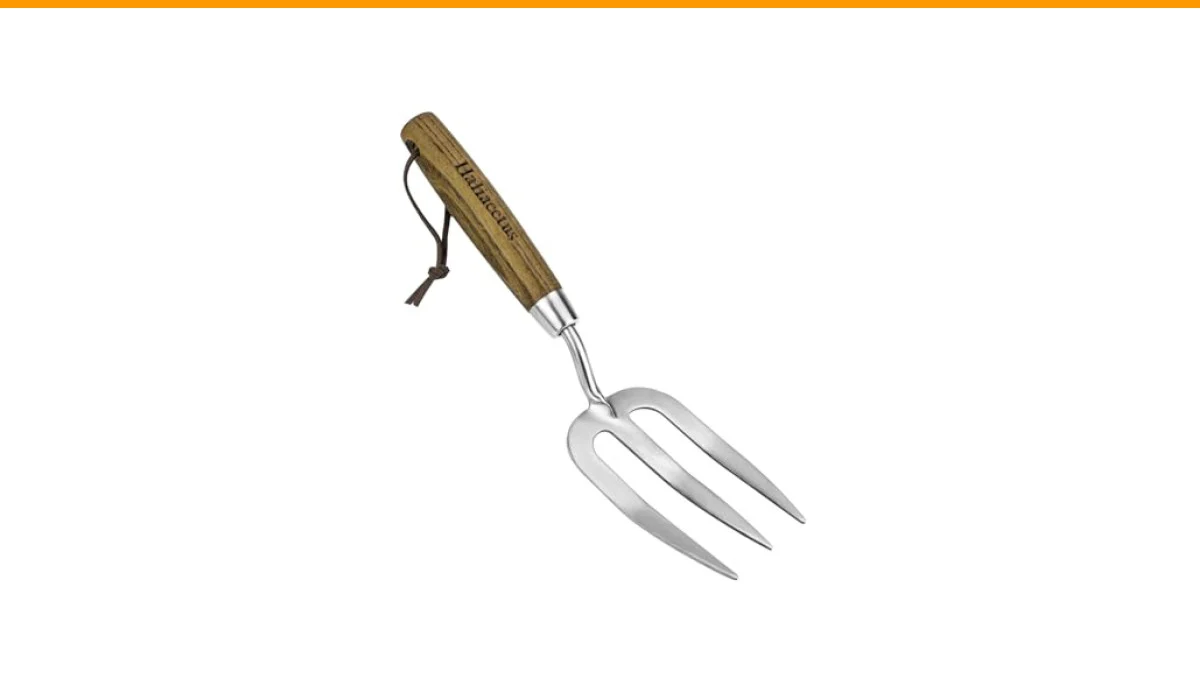
Haliaeetus Garden Hand Fork

Haliaeetus
Haliaeetus Garden Hand Fork, 12.3'' Hand Weeding Fork with Sharp Tine | for Easy Uprooting Large Weeds, Stainless Steel Garden Fork, Comfortable Wood Handle Hand Fork for Loosening Soil, Composting
- 【Great to Uproot Large Weeds】The gardening fork easily goes through the ground to digs deep under the weed and give more reach and…
- 【Loosens Soil Almost Effortlessly】With sharp and sturdy 3 prong tine that make it very easy to break through hard soil, even if yo…
- 【Comfortable Wooden Handle】Wood is a natural shock absorber and will not cause sore wrists even work for a few hours. The handle o…
The Haliaeetus is for the bonsai grower with a few large trees and a lot of ground to cover. Think trident maples in 18-inch training pots, field-grown stock being lifted for the first time, or a collected yamadori with a dense root ball. The 12.3-inch length gives you real leverage when you’re prying apart roots that have knitted together over years.
What sets it apart is the reach. Most bonsai forks are short by design, which is great for precision but terrible for deep work. This one lets you get under a root mass without burying your knuckles in soil. The stainless steel head is thicker than typical hand forks, so it shrugs off rocks and buried roots that would bend a cheaper tool. The wooden handle absorbs shock well, which matters when you’re striking compacted soil repeatedly.
Here’s the trade-off. At 12.3 inches, it’s too long for small pots. You can’t work a shohin-sized root ball with this thing without feeling clumsy. The tines are also wider than a dedicated bonsai fork, so fine root raking is harder. And the welded joint, while sturdy, isn’t forged. If you’re prying hard in rocky soil, watch for flex at the weld over time.
- 12.3-inch total length for deep reach and leverage
- Thick stainless steel head resists bending in heavy soil
- Ergonomic wooden handle reduces wrist strain
- Seamless welding joins head to handle
- Lifetime warranty from the manufacturer
Best for: Growers working large bonsai or field-grown stock who need reach and leverage more than fine precision.
DeWit Bonsai 3 Prong Fork

DeWit
DeWit Bonsai 3 Prong Fork – Handcrafted Garden Tool
- ✅ Perfect for Indoor Plants – Gentle yet effective for bonsai, container gardening, and seedlings.
- ✅ Japanese-Inspired Precision – A favorite among bonsai gardeners for root work and transplanting.
- ✅ Superior Quality – Made from top-grade tempered steel for strength and durability.
This is the fork bonsai people actually talk about. The DeWit Bonsai Fork is handcrafted in the Netherlands from tempered steel, and it shows. At 6.5 inches total with a 3-inch head, it’s sized for real bonsai work: repotting shohin and chuhin trees, combing out root balls, working akadama and pumice mixes without destroying fine roots.
The Japanese-inspired design isn’t marketing fluff. The tines are spaced and curved for root raking, not digging. You drag it through the root ball and it separates roots instead of tearing them. The ash wood handle is short enough to choke up on for delicate work, and the tempered steel holds an edge far longer than stainless alternatives. For transplanting seedlings or working on a prized tree, this is the tool you reach for.
Availability is the catch. This fork is often scarce, and when it’s in stock, it sells quickly. It’s also small. If you’re working a large root ball, you’ll be at it for a while. And the price reflects the craftsmanship. You’re paying for a tool that will outlast you, but it’s not a budget buy.
- 6.5-inch total length, 3-inch head, 0.25 lbs
- Tempered steel head holds shape under pressure
- Ash wood handle for control in tight spaces
- Japanese-inspired tine curve for root raking
- Compact enough for shohin and small container work
Best for: Serious bonsai growers doing regular repotting and root pruning on small to medium trees.
Berry&Bird Gardening Hand Fork

Berry&Bird
Berry&Bird Gardening Hand Fork, Stainless Steel Hand Weed Fork | Traditional Garden Hand Fork Tool with Ergonomic Ash Wood Handle, Garden Tool for Weeding, Digging, Planting and Cultivating
- WHAT YOU GET - 1 * Stainless Steel Hand Fork. Our garden forks are made by traditional manual process and can be used for more tha…
- ERGONOMIC DESIGN- Berry&Bird hand fork has good balance and comfortable proportion, which is very suitable for planting in small a…
- STRONG AND TOUGH - Ideal for aerated soil, it will not bend under the action of force when used for harder garden work. The sharp…
Berry&Bird makes tools for people who garden a lot and want them to last. This hand fork is a general-purpose tool that crosses over into bonsai work well enough for most hobbyists. The stainless steel tines resist soil adhesion, which is a bigger deal than it sounds when you’re working wet akadama. Mud doesn’t cling, so you spend less time wiping and more time working roots.
The ash handle comes from FSC-certified forests, and the wood actually improves with use. It darkens, smooths, and molds to your grip over a season or two. The balance is good for a full-size fork, and the stainless head handles clay and compacted soil without bending. For a bonsai grower who also keeps a vegetable bed or container garden, this is a smart dual-purpose pick.
It’s not a dedicated bonsai tool. The tines are wider than ideal for fine root work, and the overall size is bigger than what you’d want for small pots. You’ll be fine with this unless you’re working shohin trees or doing delicate root raking on a regular basis. For that, you need something smaller.
- Stainless steel tines resist rust and soil buildup
- FSC-certified ash handle from managed forests
- Good balance for full-size hand fork work
- Handles clay and compacted soil without bending
- 2-year warranty and 30-day replacement
Best for: Hobbyists who want one fork for bonsai and general container gardening without buying two tools.
Garden Guru Stainless Steel Fork

Garden Guru Lawn & Garden Tools
Garden Guru Stainless Steel Hand Weeder Fork Tool – Rust Resistant Stainless Steel – Ergonomic Handle – Great for Planting, Spreading Mulch, Weeding, Loosening & Transplanting Soil
- A must-have hand tool for every gardener. This hand rake is perfect for weeding, loosening and transplanting soil, turning, and sp…
- Stainless steel tines are rust resistant and sturdy, allowing easy penetration of soil. Fork also has the maneuverability to work…
- Ergonomic grip for comfort and control makes weeding and transplanting a breeze. Grip is designed to alleviate pressure on the pal…
Garden Guru targets the gardener who wants a reliable tool without paying premium prices. This stainless steel hand fork is a solid middle-ground option. The tines are rust-resistant and sturdy, and the ergonomic grip is designed to reduce hand fatigue during longer sessions. For bonsai work, it’s best suited to loosening soil around established trees, spreading mulch, or light root disturbance during repotting.
The maneuverability is the standout feature. The fork works around small stems and delicate plants without gouging them, which makes it useful for precision weeding in bonsai pots. The stainless tines penetrate soil easily and resist warping better than cheaper carbon steel alternatives. The hang hole is a small touch, but it keeps the tool off the bench and out of the way.
This isn’t a dedicated bonsai fork. The tines are spaced for general gardening, not root raking. If you’re doing serious root pruning, you’ll want something with tighter tine spacing and a shorter handle. But for the price, it’s a capable tool that handles most bonsai-adjacent tasks without complaint.
- Rust-resistant stainless steel tines
- Ergonomic grip reduces hand and wrist fatigue
- Works around small stems without damage
- Hang hole for easy storage
- Lifetime warranty and 90-day satisfaction guarantee
Best for: Budget-conscious growers who need a dependable fork for light bonsai work and general gardening.
Fiskars Ergo Garden Cultivator

Fiskars
Fiskars Ergo Garden Cultivator, Hand Tool for Digging, Aerating & Weeding | Heavy-Duty Cast Aluminum Tines, Rust Resistant, Ergonomic Handle, Hang Hole Storage, Loosens Soil in Garden Beds & Pots
- GARDENING ESSENTIAL: Heavy duty, ergonomic hand cultivator with sharp tines ideal for a variety of gardening tasks like digging in…
- MAXIMUM POWER AND PRECISION: Cast-aluminum head and tines boost power for digging in tough soil and enhance rust resistance; Ergon…
- LONG-LASTING AND RELIABLE: Polished aluminum tines stay sharp through heavy use and provide excellent durability for lasting value…
Fiskars built this cultivator for tough soil and heavy use. The cast-aluminum head and tines are designed to dig into compacted ground without bending, and the polished tines stay sharp through repeated use. For bonsai growers working with clay-heavy soil or collected stock with dense root balls, this tool has the muscle to break through.
The ergonomic handle is the real selling point. It’s shaped to fit your hand and reduce fatigue, which matters when you’re working a stubborn root ball for 30 minutes. The aluminum head resists rust, so you can leave it out in the rain without worrying. And the tines are sharp enough to aerate soil around established trees without disturbing roots too much.
Three tines, not four. That’s a deliberate choice for digging, but it means less coverage when you’re raking roots. The aluminum is lighter than steel, which some growers like and others find less substantial. And it’s a cultivator, not a bonsai fork. The tine spacing is wider than ideal for fine root work. You’ll be fine with this unless you’re doing delicate root raking on small trees.
- Cast-aluminum head resists rust and bending
- Polished tines stay sharp through heavy use
- Ergonomic handle reduces fatigue
- Three-tine design for digging and aerating
- Lifetime warranty from Fiskars
Best for: Growers dealing with clay or rocky soil who need a cultivator that won’t quit.
How We Chose These Products
We started with the tools bonsai growers actually use, not the ones with the best marketing. That meant filtering out full-size garden forks and focusing on hand tools compact enough for pot-side work. Tine spacing, head material, and handle length were the first cuts. If a fork was too wide or too long for a 10-inch pot, it didn’t make the list.
From there, we looked at build quality and real-world feedback. Welded joints versus forged heads. Stainless versus carbon steel. Wood versus composite handles. We weighed trade-offs honestly: a tool that’s great for large trees might be terrible for shohin. The goal was to match each fork to a specific buyer type, not crown a single universal winner.
Buying Guide: What Really Matters
Tine count matters more than most guides admit. Three-prong forks are better for digging and prying because the tines are stronger individually. Four-prong forks cover more ground when raking roots but flex more under pressure. For bonsai root work, three prongs with tight spacing is usually the better choice. You get strength where you need it and enough coverage for raking.
Tine spacing is the spec nobody lists. Wide spacing is fine for turning soil. Tight spacing is what you need for combing out root balls without tearing fine roots. If you’re working akadama or pumice mixes, tight spacing keeps the substrate from falling through while you work. Look for forks where the tines are close enough to trap a 1/4-inch particle.
Handle length should match your pot size. A 12-inch fork is great for large training pots and field-grown stock. A 6-inch fork is what you want for shohin and small containers. If you’re working both, buy two forks. Trying to do everything with one tool means compromising on both ends.
Our Top Recommendation
The DeWit Bonsai 3 Prong Fork wins for dedicated bonsai work. It’s the only fork on this list designed specifically for root raking and repotting. The tempered steel, compact size, and Japanese-inspired tine curve make it the right tool for the job. Check the current price on Amazon, but expect to pay for quality.
If you need something more versatile, the Haliaeetus is the best all-rounder. It handles large trees, deep root work, and general gardening without complaint. For budget buyers, the Garden Guru is a solid entry point. And if you’re working clay soil, the Fiskars cultivator has the muscle for it.
Frequently Asked Questions
Can I use a regular garden hand fork on bonsai?
You can, but you’ll damage roots. Regular forks have wider tines and longer handles. That means less precision and more tearing. For occasional light work, it’s fine. For regular repotting and root pruning, get a dedicated bonsai fork.
How do I stop tines bending on roots?
Don’t pry with the tines. Use the fork to loosen soil and separate roots, then pull roots apart by hand. If you hit a thick root, work around it with a root hook or chopstick. Forks bend when they’re used as levers.
What size fork for small bonsai pots?
For pots under 8 inches, use a fork with a total length of 6 to 7 inches. The DeWit Bonsai Fork at 6.5 inches is ideal. Anything longer and you’ll be fighting the pot rim instead of working the roots.
Do I need to sterilize my bonsai fork between repots?
Yes, especially if you’re working on multiple trees. Fungal and bacterial issues spread easily through contaminated tools. Wipe the tines with isopropyl alcohol between trees. It takes 10 seconds and prevents problems that take years to fix.