Clay soil is a stubborn adversary. It clumps, cracks, and turns rock-hard in summer. Cheap hand forks bend on the first try. The tines snap when you hit a root. And your wrists ache after ten minutes of fighting the ground.
A good hand fork for clay needs forged steel, sharp tines, and a handle that absorbs shock. Stainless steel resists rust. Ash wood dampens vibration. Tine spacing matters too. Too wide and the fork won’t penetrate. Too narrow and clay packs between the prongs.
We looked at five models that actually work in heavy clay. The Haliaeetus offers the best balance of price and durability. The DeWit Forged Hand Fork is the premium choice for serious gardeners. The Berry&Bird is the best value for most people. Read on to find the right one for your soil and your hands.
Here is a quick comparison of the key specs that matter for clay work.
| Features | Haliaeetus Hand Fork | Tierra Garden DeWit | Berry&Bird Hand Fork | DeWit Forged Fork | DeWit Small Fork |
|---|---|---|---|---|---|
| Material & Build | Thick stainless steel | Dutch forged steel | Stainless steel | Forged steel | Tempered boron steel |
| Handle Material | Wood | Ash wood | Ash wood (FSC) | Ash wood | Ash wood (FSC) |
| Length | 12.3 inches | 10.8 inches | Not specified | 10 inches | Compact |
| Weight | Not specified | 0.5 lbs | Not specified | 0.5 lbs | Lightweight |
| Best Use Case | Heavy clay, weeds | Small areas, aeration | Pots, beds, borders | Small areas, clay | Small hands, tight spots |
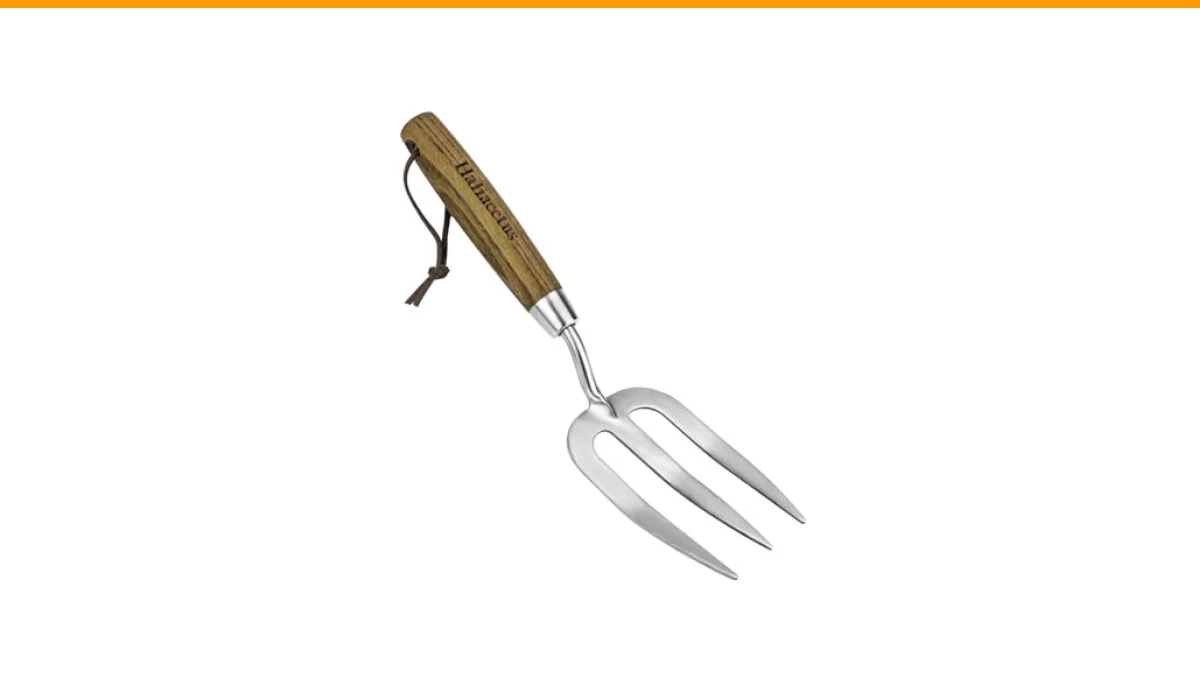
Haliaeetus Garden Hand Fork

Haliaeetus
Haliaeetus Garden Hand Fork, 12.3'' Hand Weeding Fork with Sharp Tine | for Easy Uprooting Large Weeds, Stainless Steel Garden Fork, Comfortable Wood Handle Hand Fork for Loosening Soil, Composting
- 【Great to Uproot Large Weeds】The gardening fork easily goes through the ground to digs deep under the weed and give more reach and…
- 【Loosens Soil Almost Effortlessly】With sharp and sturdy 3 prong tine that make it very easy to break through hard soil, even if yo…
- 【Comfortable Wooden Handle】Wood is a natural shock absorber and will not cause sore wrists even work for a few hours. The handle o…
The Haliaeetus is the fork you buy when you want one tool that handles everything. It works for weeding, aerating, and turning soil in clay. The 12.3-inch length gives you more leverage than shorter forks. That extra inch matters when clay fights back.
What sets this apart is the three-prong tine design. The tines are sharp and sturdy. They break through hard soil without bending. The seamless welding at the neck is a nice touch. That joint is where cheap forks fail first. The wooden handle absorbs shock well. Your wrists won’t ache after an hour of work.
The trade-off is weight. This fork is heavier than compact models. If you have small hands or arthritis, the thicker handle might feel bulky. The wooden handle also needs occasional oiling to prevent cracking. And while it resists bending, it’s not indestructible. Hitting a large rock at full force can still damage the tines.
- 12.3-inch length provides extra leverage for clay
- Three sharp tines penetrate compacted soil
- Seamless welding at stress points
- Wooden handle absorbs shock and vibration
- Lifetime warranty against defects
Best for: Gardeners who want one durable fork for weeding and aerating heavy clay without spending premium prices.
Tierra Garden Dewit Welldone

DeWit
Tierra Garden Dewit Welldone Handfork
- Great for breaking up soil in smaller areas; aerates clay soil
- Strong, tough, and well balanced
- Strong yet lightweight with unrivaled Dutch-made quality; all DeWit products have a lifetime guarantee
The Tierra Garden DeWit Welldone is a compact powerhouse. At just 10.8 inches long and half a pound, it’s lighter than it looks. The Dutch forging process creates a dense, strong head. Clay soil doesn’t stand a chance against those tines.
This fork excels at aeration in small areas. The head is 5 inches long and 3 inches wide. That size works well for raised beds and borders. The balance is excellent. The weight sits right in your palm, so you can work longer without fatigue. The ash wood handle is smooth and comfortable.
Here’s the catch: availability. This model is often scarce. When it’s in stock, it sells out fast. The shorter length also means less leverage than the Haliaeetus. You’ll need to work harder in deeply compacted clay. The head is also smaller, so it takes more passes to cover a large bed.
- Compact 10.8-inch length for tight spaces
- Dutch forged steel head holds an edge
- Weighs only 0.5 lbs for reduced fatigue
- 5-inch by 3-inch head size
- Lifetime guarantee from DeWit
Best for: Raised bed gardeners and those with smaller plots who need a light, maneuverable fork for clay aeration.
Berry&Bird Gardening Hand Fork

Berry&Bird
Berry&Bird Gardening Hand Fork, Stainless Steel Hand Weed Fork | Traditional Garden Hand Fork Tool with Ergonomic Ash Wood Handle, Garden Tool for Weeding, Digging, Planting and Cultivating
- WHAT YOU GET - 1 * Stainless Steel Hand Fork. Our garden forks are made by traditional manual process and can be used for more tha…
- ERGONOMIC DESIGN- Berry&Bird hand fork has good balance and comfortable proportion, which is very suitable for planting in small a…
- STRONG AND TOUGH - Ideal for aerated soil, it will not bend under the action of force when used for harder garden work. The sharp…
The Berry&Bird hand fork is the value pick. It costs less than the DeWit models but still uses stainless steel and an ash handle. The manual manufacturing process gives it a traditional feel. The more you use it, the smoother the handle becomes.
Stainless steel tines resist rust and reduce soil adhesion. Clay slides off instead of sticking. That’s a small thing that saves time. The ergonomic design has good balance. It penetrates clay without requiring massive force. The FSC-certified ash handle comes from responsibly managed forests. That matters if you care about sustainability.
It’s not perfect. The stainless steel is strong but not forged. In extremely compacted clay, you might notice slight flex in the tines. The two-year warranty is shorter than the lifetime guarantees on DeWit tools. And the handle, while comfortable, doesn’t absorb shock as well as some competitors. For most home gardeners, though, it’s more than enough.
- Stainless steel tines resist rust and soil stick
- FSC-certified ash wood handle
- Manual manufacturing for traditional quality
- Good balance for reduced hand fatigue
- Two-year warranty
Best for: Budget-conscious gardeners who want stainless steel and sustainable materials without paying premium prices.
DeWit Forged Hand Fork

Tierra Garden
DeWit Forged Hand Fork
- Dimensions: 10" L x 1.5" W x 2.5" H; 0.5 lbs
- Great for breaking up soil and cultivating in smaller areas
- Strong and tough - ideal for aerating clay soil
The DeWit Forged Hand Fork is the tool you pass down to your kids. It’s hand-forged in Holland from a single piece of steel. No welds. No weak points. The head is 10 inches long and weighs half a pound. It’s built for clay and designed to last decades.
What makes this fork special is the forging process. Forged steel is denser and stronger than stamped or welded alternatives. The tines hold their shape even under heavy pressure. The ash handle is well-balanced and comfortable. This fork aerates clay soil with less effort than cheaper tools. The head penetrates cleanly and releases without sticking.
The downside is availability and price. This model is often scarce. When you find it, expect to pay more than budget options. The 10-inch length also means less leverage than the Haliaeetus. If you have back issues, a longer handle might serve you better. And the ash handle requires occasional maintenance to prevent drying and cracking.
- Hand-forged in Holland from single steel piece
- 10-inch length with 0.5 lb weight
- No welds or weak joints
- Ash wood handle for comfort
- Lifetime guarantee
Best for: Serious gardeners who want a buy-once, cry-once tool that handles heavy clay for decades.
DeWit Small Garden Fork
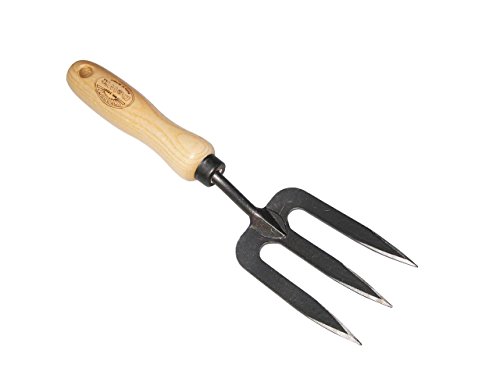
Tierra Garden
DeWit Small Garden Fork – Compact & Durable Cultivator
- Heirloom Quality: Designed for durability and precision, perfect for cultivating in tight spaces.
- Compact and Lightweight: Ideal for smaller hands, making it an excellent choice for female gardeners.
- Durable Construction: Crafted from tempered boron steel for strength and sharpness.
The DeWit Small Garden Fork is designed for smaller hands and tight spaces. It’s compact, lightweight, and made from tempered boron steel. That material is tough and holds a sharp edge. The FSC-certified ash handle is ergonomic and comfortable. This is a precision tool for container gardening and raised beds.
Tempered boron steel is the standout feature. It’s stronger than standard stainless steel and resists bending. The compact size makes it ideal for cultivating between plants. It works well for clay in small doses. The lightweight design reduces hand fatigue during long sessions. The lifetime guarantee covers craftsmanship defects.
This fork has limitations. The small size means less leverage. You won’t break through deeply compacted clay as easily as with a longer fork. It’s not the right choice for large in-ground beds. The handle is shorter, so taller gardeners might find it uncomfortable. And like all DeWit tools, it’s often out of stock.
- Tempered boron steel for strength and sharpness
- Compact size for tight spaces and containers
- Lightweight design reduces hand strain
- FSC-certified ash hardwood handle
- Lifetime guarantee
Best for: Container gardeners, raised bed growers, and anyone with smaller hands who needs a precise, durable fork for clay.
How We Chose These Products
We started by looking at what actually breaks on hand forks in clay. The answer is almost always the neck weld or the tines. So we prioritized forged steel and seamless construction. We also looked at handle material. Ash and wood absorb shock better than plastic or fiberglass. That matters when you’re fighting compacted ground.
Weight and length were the next filters. A fork that’s too short forces you to bend more. One that’s too heavy tires your arms. We balanced those factors against real-world use. We also considered availability. A great tool you can’t buy doesn’t help anyone. These five earned their spots through a mix of durability, ergonomics, and honest value.
Buying Guide: What Really Matters
Forged steel beats stamped steel every time in clay. The forging process aligns the metal grains, making the tines denser and stronger. Look for a single-piece construction with no welds at the neck. That’s where cheap forks fail. Stainless steel resists rust, but forged carbon steel holds an edge better. Either works if the build quality is there.
Tine spacing affects penetration. Wider spacing lets clay pack between the prongs. Narrower spacing cuts through more easily but can clog. Three tines is the sweet spot for hand forks. Four tines increase resistance without adding much benefit. Sharp tines matter more than the number of prongs. You can sharpen them with a file.
Handle length and material determine comfort. A longer handle gives more leverage but adds weight. Ash wood absorbs shock and feels warm in the hand. It also requires occasional oiling. Fiberglass handles are durable but transmit more vibration. For clay, wood is usually the better choice. Check the weight before buying. Anything over a pound gets tiring fast.
Our Top Recommendation
The Haliaeetus Garden Hand Fork wins for most people. It combines a 12.3-inch handle, sharp stainless steel tines, and a comfortable wooden grip at a fair price. The extra length gives you leverage in clay. The seamless welding adds durability. And the lifetime warranty backs it up. It’s not the cheapest option, but it’s the best value for heavy clay.
If you want the absolute best build quality, choose the DeWit Forged Hand Fork. It costs more and is often out of stock, but it’s a buy-once tool. For smaller hands or tight spaces, the DeWit Small Garden Fork is the better fit. Budget shoppers should look at the Berry&Bird. It’s not forged, but it handles clay well for the price.
Frequently Asked Questions
Can I use a hand fork on wet clay?
No. Working wet clay destroys its structure and creates compaction. Wait until the soil is moist but crumbly. Squeeze a handful. If it forms a ball that doesn’t break, it’s too wet.
How do I stop my hand fork from rusting?
Dry it after every use. Wipe the tines with an oily rag once a month. A light coat of camellia oil or WD-40 works well. Store it indoors or in a dry shed. Stainless steel resists rust but isn’t immune.
What’s the difference between a hand fork and a digging fork?
A hand fork is for small-scale work like weeding and aerating. A digging fork is a full-size tool for turning beds and lifting root crops. For heavy clay, you often need both. Start with a hand fork for surface work. Use a digging fork or broadfork for deep compaction.
How often should I sharpen my hand fork?
Sharpen the tines once or twice a season. A few passes with a metal file keep them sharp. Sharp tines penetrate clay with less effort. Dull tines require more force and increase the risk of bending.
Will a hand fork fix my clay soil permanently?
No. Forking aerates and loosens clay temporarily. Long-term improvement requires organic matter. Add compost, leaf mold, or aged manure every year. Gypsum can help break down clay, but it’s not a quick fix. Mulch on top prevents re-compaction. The fork is a tool for managing clay, not curing it.
Verdict
Heavy clay demands a strong fork. The Haliaeetus offers the best balance of leverage, durability, and price. The DeWit Forged Hand Fork is the premium choice for lifelong quality. Berry&Bird delivers solid value for budget gardeners. Match the tool to your plot size and hand strength. And remember: the right technique and soil amendments matter as much as the fork itself.