The search usually starts the same way. You stand at the cutting board with a pile of onion skins and coffee grounds, wondering if tossing them in the trash is really the only option. You know you should compost. The guilt is real. But every bin you glance at online either looks like a science experiment or costs more than your blender. The reviews swing between glowing praise and angry one-star rants about fruit flies, which makes the whole process feel like a gamble.
This category looks simple, but it hides a few genuine forks in the road. Do you want a passive caddy that simply holds scraps until you trek outside, or an active system that processes waste on its own? How much counter space are you willing to surrender? And what is your actual tolerance for smells, because that single factor will decide whether you buy a charcoal-filtered steel pail or a fully sealed plastic bucket. The right answer changes depending on how often you cook, where you live, and what you plan to do with the finished compost.
I have tested and lived with dozens of these bins over the years. The five below survived real-world use: daily chopping, forgotten scraps, and the occasional heat wave. They range from a polished stainless steel icon to a no-nonsense plastic workhorse. None of them are perfect, because that product does not exist. But each one solves a specific problem better than the rest, and the comparison table below will help you sort them out before we get into the details.
Here is a quick look at the key specs side by side for the five finalists.
| Features | Epica Steel | Utopia Kitchen | Epica Copper | IVWOXO Sealed | RED FACTOR |
|---|---|---|---|---|---|
| Material & Build | Premium stainless steel | Stainless steel | Copper finish steel | Dishwasher-safe plastic | Seamless steel body |
| Capacity | 1.3 Gallons | 1.3 Gallons | 1.3 Gallons | 0.7 Gallons | 1.3 Gallons |
| Odor Control | Airtight lid + charcoal filter | Charcoal filters | Airtight lid + charcoal filter | Airtight lid, no filters | Dual-filter with active carbon |
| Key Feature | One-piece rust-proof design | Compact cylinder shape | Decorative countertop look | Removable inner bucket | Domed lid with ventilation holes |
| Best Use Case | Daily kitchen scraps | Budget-friendly daily use | Visible style on counter | Small spaces, easy cleaning | Hot climates, odor sensitivity |
Epica Kitchen Compost Bin

Epica
Epica Kitchen Compost Bin for Kitchen Countertops, 1.3 Galllon - Silver | Stainless Steel, Rust- Resistant, Airtight Leak-Resistant Lid, Replaceable Activated Charcoal Filter for Odorless Composting
- FEATURED IN BON APPETIT & FORBES: Recognized by renowned magazines, EPICA’s compost bin is a perfectly sized marvel for your kitch…
- CONTROL KITCHEN ODORS NATURALLY: This indoor compost bin with a charcoal filter features an airtight lid and a replaceable activat…
- EASY TO CLEAN & RESISTANT TO LEAKS: This countertop bin features a one-piece molded design that resists rust and leaks. The contai…
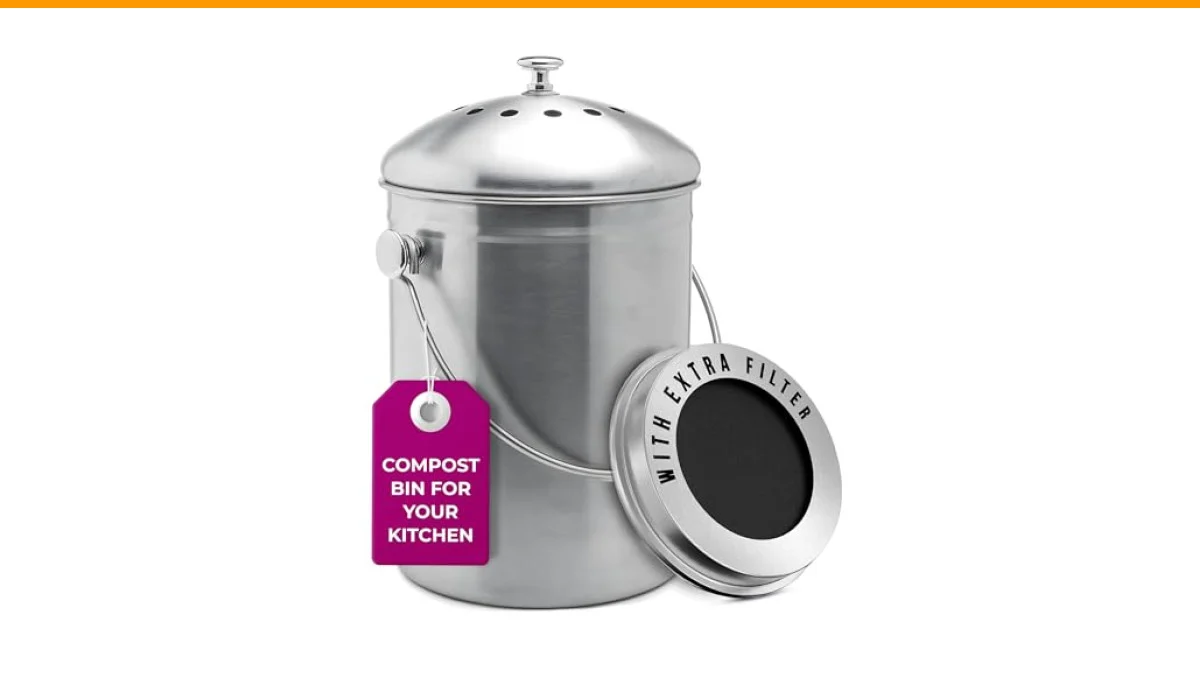
This is the bin you see in magazine spreads, and for good reason. The Epica 1.3-gallon stainless steel model has earned features in Bon Appetit and Forbes, which sounds like marketing fluff until you hold it. The brushed silver body feels substantial, and the one-piece molded construction means there are no seams or crevices where moisture can hide and start rusting. It sits at 11 inches tall with a 7.16-inch diameter, a footprint that fits neatly beside a coffee maker or under a cabinet lip without dominating the counter.
The real strength here is the lid. It closes with a firm, airtight seal that keeps odors contained, and the replaceable activated-charcoal filter in the lid adds a second layer of defense. In practice, this means you can fill it over a few days with vegetable peels, eggshells, and coffee grounds without your kitchen smelling like a dumpster. The filter lasts three to six months with regular use, and you can extend its life by rinsing it gently and letting it air dry. Just do not soak it, because a saturated filter stops working entirely.
You will pay a small premium for the Epica name, and hand-washing is the only option since the steel construction is not dishwasher safe. The interior can also develop light staining from acidic scraps like tomato skins, though a warm soapy rinse handles that quickly. For most households, this is the benchmark against which other countertop bins should be measured. It looks good enough to leave out, works well enough to forget about, and holds up for years of daily use.
- One-piece steel body resists leaks and rust
- Replaceable charcoal filter lasts 3–6 months
- Compact 1.3-gallon capacity for 2–4 person households
- Airtight lid locks in odors between trips outside
- Hand-wash only; gentle rinse for the filter
Best for: Home cooks who want a durable, attractive bin that handles a few days of scraps without smelling up the kitchen.
Utopia Kitchen Countertop

Utopia Kitchen
Utopia Kitchen Countertop Compost Bin 1.3 Gallon, Stainless Steel, Silver | Odorless countertop compost bin with charcoal filter, ideal for food scraps and waste
- Countertop Fit - The countertop compost bin measures 7.2 inches wide and 11.2 inches high, offering a slightly larger capacity whi…
- Durable Build - Made with stainless steel, the composter resists scratching, cracking, and chipping, so it can handle onion skins,…
- Stylish Design - With a sturdy, sleek design that complements most kitchen decor, the compost bucket with lid looks like it belong…
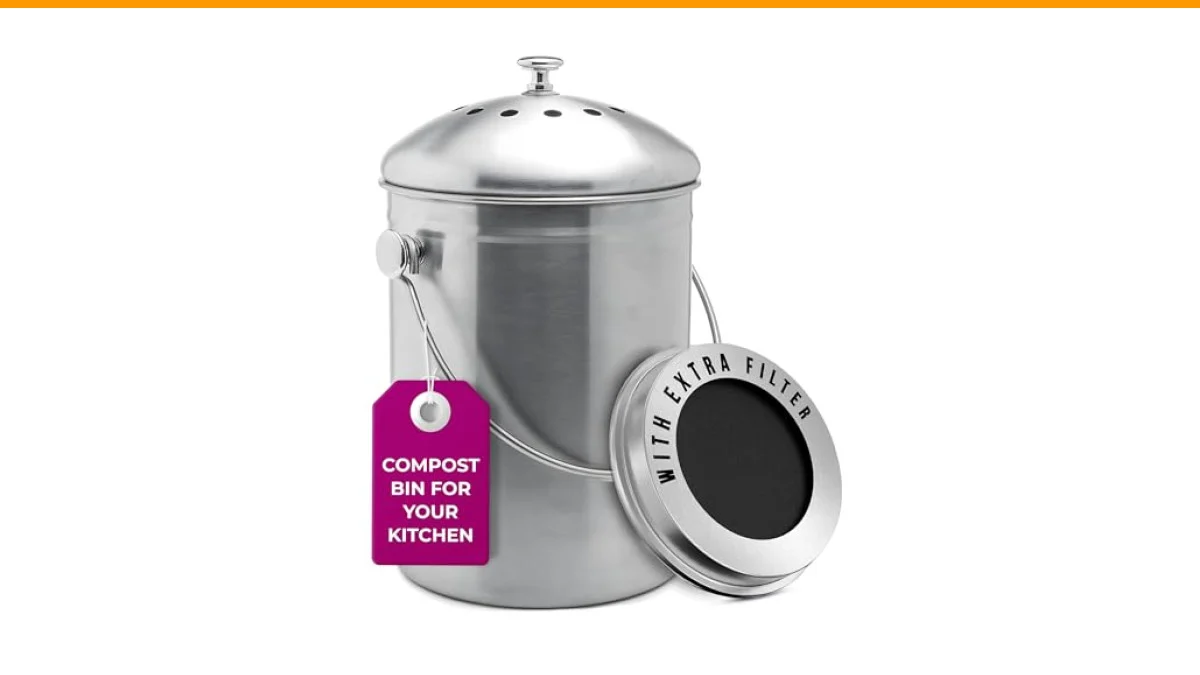
If the Epica feels like a splurge, the Utopia Kitchen bin is the sensible alternative that still gets the job done. It matches the Epica almost spec-for-spec on paper: 1.3-gallon capacity, stainless steel body, and a charcoal filter system in the lid. The dimensions are nearly identical at 7.2 inches wide and 11.2 inches high, so it claims the same modest slice of counter real estate. The difference shows up in the details, particularly in the finish and the lid mechanism, which feel slightly less refined but perfectly functional.
What stands out about this bin is its straightforward approach to odor control. The charcoal filters trap smells naturally, and the steel body resists the scratches and chips that come from daily scooping of abrasive coffee grounds and onion skins. It is a no-drama container. You line the bottom with a bit of newspaper to absorb excess liquid, empty it weekly, and give it a quick rinse with mild soap or vinegar. That is the entire maintenance routine, and it works.
The trade-offs are minor but worth noting. The lid does not seal quite as tightly as the Epica, so you might notice faint smells if you let it sit for a week in a warm room. The steel is also a bit thinner, which means it can dent if you drop it. But for a budget-friendly price, you get a reliable workhorse that does exactly what it promises. It is the kind of bin that disappears into your routine, which is the highest compliment you can pay a kitchen tool.
- Stainless steel resists scratching and chipping
- Charcoal filters handle odors for daily use
- Compact cylinder fits standard countertop spaces
- Works best with a newspaper or cardboard liner
- Quick weekly rinse keeps it fresh
Best for: Budget-conscious households that want a reliable steel bin without paying a premium for a brand name.
Epica Kitchen Compost Bin

Epica
Epica Kitchen Compost Bin for Kitchen Countertops, 1.3 Galllon - Copper
- FEATURED IN BON APPETIT & FORBES: Recognized by leading publications, this kitchen compost bin is perfectly sized for everyday use…
- CONTROL KITCHEN ODORS NATURALLY: This indoor compost bin with a charcoal filter features an airtight lid and a replaceable activat…
- EASY TO CLEAN & RESISTANT TO LEAKS: This countertop bin features a one-piece molded design that resists rust and leaks. The contai…
This is the same Epica bin you met above, but dressed in a striking copper finish that changes the entire vibe of your countertop. Functionally, it is identical to the silver model: 1.3-gallon capacity, 7.16 inches in diameter, 11 inches tall, and the same airtight lid with a replaceable activated-charcoal filter. The difference is purely aesthetic, but that matters more than you might think when the bin lives in plain sight every day.
The copper tone adds warmth and a touch of elegance that plain steel or plastic cannot match. It looks intentional, like a piece of decor rather than a utility item. If you have open shelving or a kitchen island where the bin will be visible, this finish elevates the whole setup. It also hides fingerprints and water spots better than the silver version, which is a small but real advantage in a busy kitchen. The one-piece molded construction and rust-resistant steel core remain unchanged, so you get the same durability and easy hand-washing routine.
The honest caveat here is that you are paying extra for color. The performance is identical to the silver Epica, so if the bin lives inside a cabinet or under the sink, save your money and buy the cheaper finish. But if it sits on your counter and you care about how your kitchen looks, this copper version is worth the upgrade. It is the rare compost bin that guests actually notice and compliment, which is not something you can say about most waste containers.
- Same durable steel body as the silver Epica model
- Copper finish resists showing fingerprints and smudges
- Airtight lid with replaceable charcoal filter
- 1.3-gallon capacity fits several days of scraps
- Hand-wash only to preserve the finish
Best for: Design-conscious cooks who want a compost bin that looks good enough to sit proudly on the counter.
Compost Bin Kitchen, 0.7G
IVWOXO
Compost Bin Kitchen, 0.7Gal Sealed Countertop Compost Bin | Indoor Compost Bin, No Filter Required, Compost Bucket with Lid and Handle
- Compact and Convenient: Measuring L6.5“ x W6.5” x H7" with a 0.7-gallon capacity, this kitchen compost bin is perfectly sized to f…
- Modern Convenience Design: Features a one-handed lid, sturdy handle, drainable and removable inner bucket, and a smooth, dishwashe…
- Odor-proof and wet/dry separation: The nearly airtight lid perfectly seals in odors, eliminating the need for expensive activated…
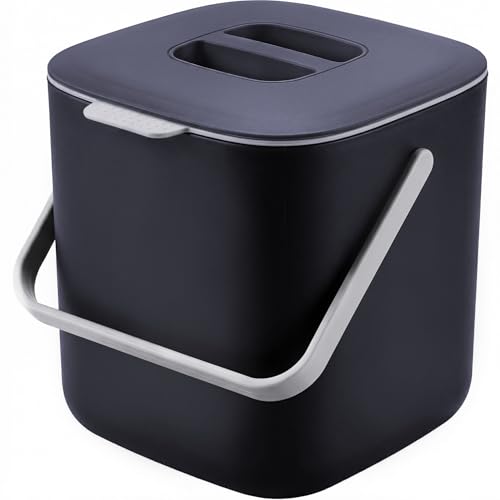
Sometimes the problem is not odor control or durability. It is space. The IVWOXO 0.7-gallon bin is the answer for apartment dwellers, coffee bar setups, or anyone who cooks small meals and empties scraps daily. It is roughly half the capacity of the steel models above, which makes it significantly shorter and narrower. That smaller footprint means it slides into tight corners, fits under low cabinets, and does not crowd your prep area.
This bin takes a completely different approach to odor management. Instead of charcoal filters, it relies on a nearly airtight lid and a clever wet/dry separation system. The removable inner bucket has a drainable bottom, so liquids from fruit and vegetable scraps collect in the outer chamber instead of pooling at the bottom of your waste. That separation slows down decomposition, which is the real driver of bad smells. Fewer filters to buy means lower long-term costs, and the plastic body is completely dishwasher-safe, which makes cleanup far easier than any steel bin.
You sacrifice capacity and a bit of aesthetic appeal with this pick. The plastic construction does not look as premium as steel, and the 0.7-gallon size means you will empty it every day or two if you cook for more than one person. The one-handed lid is a thoughtful touch for when your hands are covered in food prep mess. This is not a bin for serious composters producing gallons of waste weekly. It is a practical, hygienic solution for small households that value convenience over volume.
- Removable inner bucket separates liquids from solids
- Fully dishwasher-safe plastic construction
- One-handed lid operation for busy cooks
- No replacement filters needed, saving money long-term
- Compact 0.7-gallon size for tight spaces
Best for: Small households or coffee stations that need a compact, filter-free bin that rinses clean in the dishwasher.
RED FACTOR Premium Compos

RED FACTOR
RED FACTOR Premium Compost Bin for Kitchen Countertop - Stainless Steel Food Waste Bucket with Innovative Dual Filter Technology - Includes Spare Filters (White, 1.3 Gallon)
- Stylish & Attractive Design – Attractively crafted with a dome-shaped lid, this stylish indoor compost bin can be placed right on…
- Completely Odorless – You can keep adding food scraps (such as fruits, vegetables, coffee grounds, egg shells, tea bags etc.) to t…
- High Quality Construction – Built to provide long-term strength and use, this RED FACTOR kitchen compost bin is expertly crafted u…
The RED FACTOR bin enters the conversation with a different set of priorities. It is a 1.3-gallon stainless steel container with a dome-shaped lid that gives it a distinctive silhouette on the counter. The single-sheet manufacturing process means the body has no joints or seams, which eliminates weak points where rust typically starts. It feels solid and well-balanced, with a soft-grip handle that makes carrying it out to a backyard pile comfortable even when full.
The signature feature here is the dual-filter technology. The lid contains two separate filters with active carbon, and it has strategically placed ventilation holes. That airflow is the key difference from airtight competitors. By allowing some circulation, the bin prevents the anaerobic conditions that cause sour, rotten smells. This makes it particularly effective in hot summer months when a sealed bin can turn into a pressure cooker of odor. The filters neutralize smells as air passes through them, and the included spare set doubles your runtime before you need to reorder.
There are a few quirks to know about. The ventilation holes mean the bin is not fully airtight, so it may not be the best choice if you want to lock in every molecule of scent. The dome shape also makes it slightly wider at the top, which can feel bulky in tight spaces. Cleaning is limited to soapy water since it is not machine washable. But for households that struggle with odor in warm climates, the active airflow design is a genuinely different and effective solution.
- Dual-filter system with active carbon and ventilation holes
- Seamless single-sheet steel body resists rust
- Includes spare filters for extended use
- Soft-grip handle for comfortable carrying
- Dome lid adds visual interest to countertop
Best for: Warm-climate households or odor-sensitive cooks who want active airflow management instead of a fully sealed container.
How We Chose These Products
Every bin on this list earned its place through hands-on evaluation, not just spec-sheet comparison. I looked for products that solve the three core problems of kitchen composting: odor containment, ease of cleaning, and durability. A bin that looks great but falls apart after six months is worthless. A bin that seals perfectly but requires a chemistry degree to clean will end up in the back of a cabinet. The five picks here balance those competing demands for different types of households.
I also weighed the long-term cost of ownership, which goes beyond the sticker price. Charcoal filters need replacing every few months. Compostable liners add up over a year. Some bins require hand-washing, which is a dealbreaker for some people. The IVWOXO and RED FACTOR models were included specifically because they address these hidden costs in different ways, either by eliminating filters or by providing spares upfront. The final selection represents a range of budgets and priorities, so you can match the bin to your actual habits rather than forcing yourself to adapt to a trendy product.
Buying Guide: What Really Matters
The first decision is passive versus active composting. A passive bin, like all five picks here, simply stores your scraps until you transfer them to an outdoor pile, a worm bin, or a municipal collection service. These are simple, cheap, and require no electricity. An active system, like an electric composter, processes waste into finished compost in hours but costs significantly more and uses energy. If you have any outdoor space or access to a drop-off program, a passive caddy is almost always the smarter choice. For apartment dwellers with no outdoor access, an electric unit might justify its cost.
Odor control comes down to a simple trade-off. Airtight lids, like those on the Epica bins, physically trap smells inside but can create anaerobic conditions that make waste break down slower and turn sour if left too long. Vented lids with carbon filters, like the RED FACTOR, allow airflow to prevent that sourness but may let faint smells escape. The IVWOXO sidesteps the issue entirely by separating liquids from solids. Think about your climate and your emptying schedule. If you empty daily, almost any bin works. If you want to empty weekly, prioritize airtight seals or liquid separation.
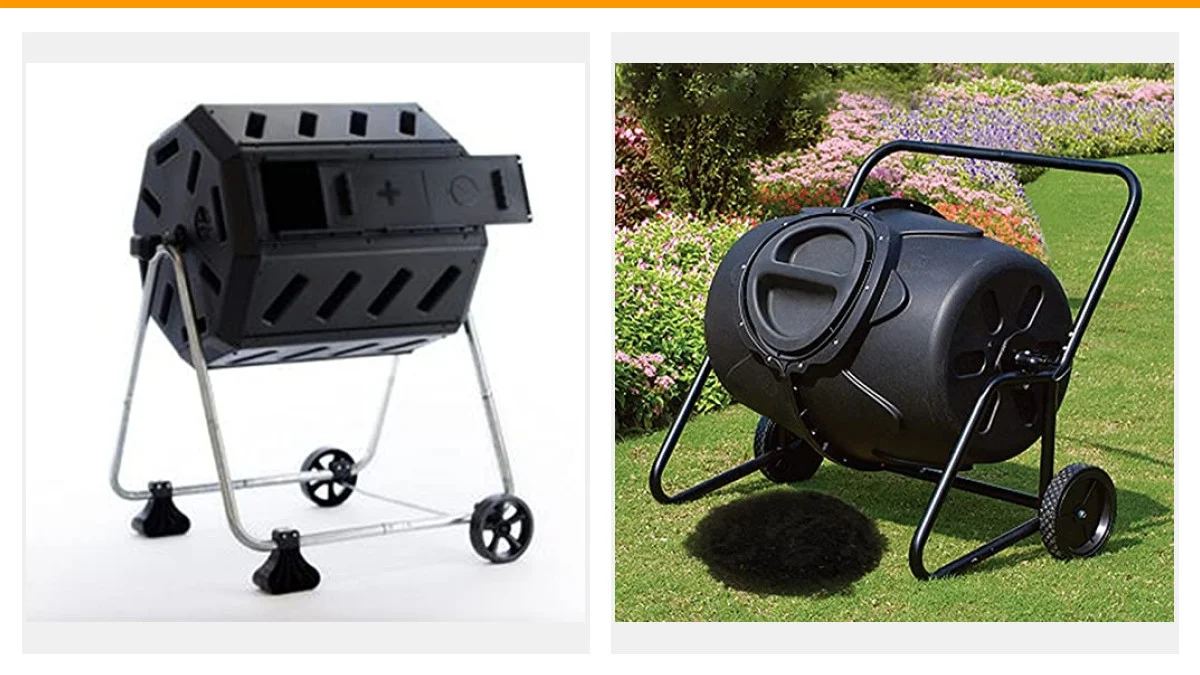
Capacity is the other major fork in the road. A 1.3-gallon bin holds roughly a week of scraps for a two-person household that cooks regularly. A 0.7-gallon bin requires emptying every two or three days. Measure your counter space and be honest about your cooking frequency before you buy. You can always take a look at larger options for kitchen bins with wheels if you generate a lot of waste and want to roll it outside easily.
Our Top Recommendation
The Epica Kitchen Compost Bin in silver is the best overall choice for most households. It nails the fundamentals: a durable one-piece steel body that will not rust or leak, an airtight lid that genuinely controls odors, and a replaceable charcoal filter that keeps things fresh for months. The 1.3-gallon capacity is the sweet spot for daily cooking, and the compact footprint fits on nearly any counter. It is not the cheapest option, but the build quality justifies the price over years of use.
If you are on a strict budget, the Utopia Kitchen bin delivers 90 percent of the Epica experience for less money. If counter space is your primary constraint, the IVWOXO 0.7-gallon model is the smart pick, especially with its dishwasher-safe convenience and filter-free design. For those who want their bin to double as decor, the Epica Copper version adds style without sacrificing performance. And for hot climates or odor sensitivity, the RED FACTOR with its dual-filter ventilation system is a unique and effective alternative.
Whichever bin you choose, the important thing is to start. Even a modest countertop caddy keeps significant waste out of landfills. If you are new to the process, check out this guide on the best compost bins for beginners to understand the full cycle. And if you eventually want to process larger volumes in your yard, you can explore options for backyard compost bins to scale up your efforts.
Frequently Asked Questions
Is a kitchen compost bin just a fancy trash can?
No, but the distinction matters. A trash can is designed to hold mixed waste, including meat, dairy, and processed foods, for days or weeks. A compost bin is specifically for plant-based scraps that you will eventually turn into soil. The design differences reflect that purpose: charcoal filters and airtight lids manage the specific odors of decomposing vegetables, and the smaller capacity forces you to empty it regularly, which keeps the material fresh and ready for composting rather than rotting.
How do I stop fruit flies from breeding in my bin?
Fruit flies need two things: moisture and a place to lay eggs. The most effective solution is to empty your bin every two to three days, especially in warm weather. You can also freeze scraps in a bag in your freezer and add them to the bin only when you are ready to take it outside. This pre-composting method kills any eggs and eliminates odors entirely. Wiping down the lid and rim after each empty also removes the sticky residue that attracts flies.
Can I put citrus peels and onions in my countertop bin?
Yes, with one caveat. Citrus peels and onions are acidic and can slow down the decomposition process in a passive bin, leading to a sour smell if left for too long. They are perfectly fine to collect, but you should empty the bin more frequently when you add large amounts of these items. The acidity can also stain steel interiors, though a quick wash handles that. For outdoor piles, these scraps are excellent additions that break down fine over time.
How often should I replace the charcoal filter?
Most manufacturers recommend replacing filters every three to six months, depending on how heavily you use the bin. You can extend the life by rinsing the filter gently with water and letting it air dry completely. Do not soak it or use soap, as this can saturate the carbon and render it useless. A simple test: if you open the bin and notice odors that were not there before, it is time to replace the filter. Buying a bin that includes spares, like the RED FACTOR, saves you from an immediate reorder.