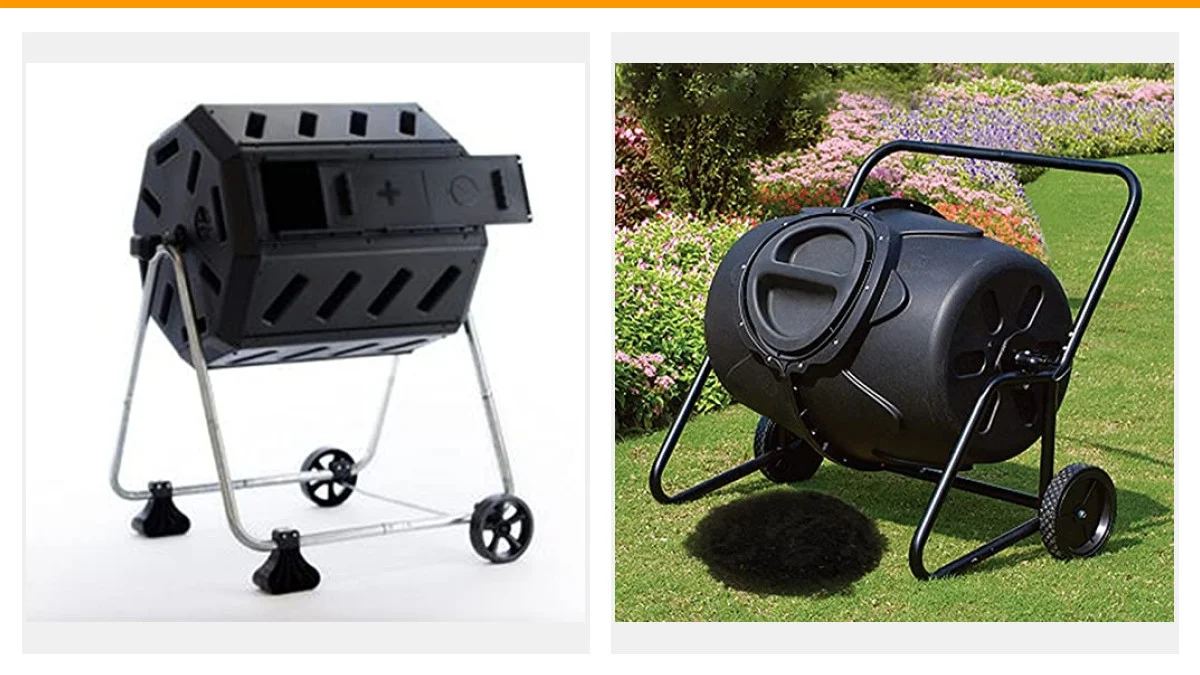
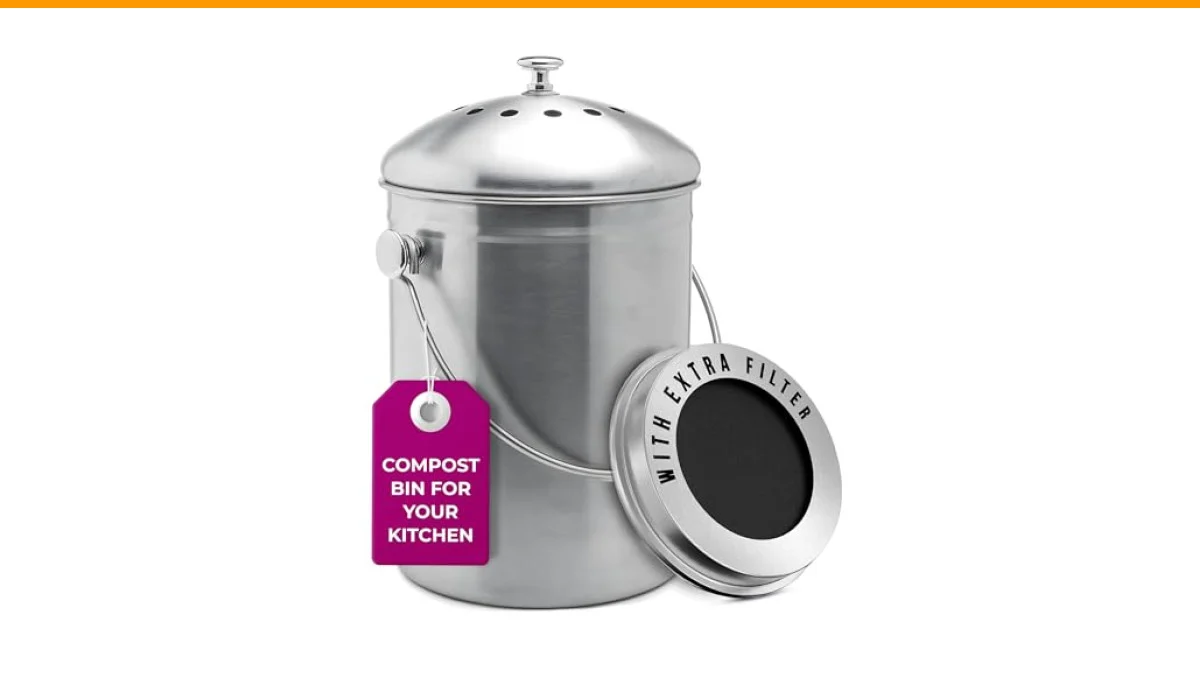
You started composting with a simple bin in the backyard. Then the rats found it. Or the pile just sat there, wet and stinky, for six months without breaking down. So you looked at tumblers, but they need cranking and can get heavy. Then you found the idea of a stacking tray worm bin. It sounds neat, but every listing looks like the same plastic tower with vague promises about odor control.
After digging through dozens of options and actually thinking through how these systems work, I found that the best compost bin with stacking trays solves two problems at once: it keeps worms contained in a small footprint, and it makes harvesting finished compost almost effortless. Instead of digging through a messy pile, you just lift off an empty tray and grab the finished castings from the bottom. That simple rotation is the whole trick.
Below are five of the best stacking tray composters on Amazon right now. I have included two models from VermiHut and three from Blütezeit, because those brands dominate this niche. Each one has strengths and trade-offs, so I will walk you through who each bin suits best. If you want the short answer: the VermiHut Plus 5-Tray is the most refined design, but the Blütezeit kits give you more starter gear for the money.
Here is a quick comparison of the five bins I reviewed.
| Features | VermiHut Plus 5-Tray | VermiHut Plus 5-Tray Green | Blütezeit 5-Tray Gold | Blütezeit 3-Tray Green | Blütezeit 5-Tray Black |
|---|---|---|---|---|---|
| Number of Trays | 5 | 5 | 5 | 3 | 5 |
| Capacity | Not specified | Not specified | 13 Gal (50L) | 8 Gal (30L) | 13 Gal (50L) |
| Unique Feature | Worm Saver Tray, V-Board, ant-proof feet | Integrated liquid collection base | Full starter kit with tools | Compact, expandable design | Full starter kit with tools |
| Best For | Indoor/outdoor, odor control | Easy liquid collection | Beginners wanting tools | Small spaces, beginners | Large households, value |
| Color Options | Black | Dark Green | Gold | Green | Black |
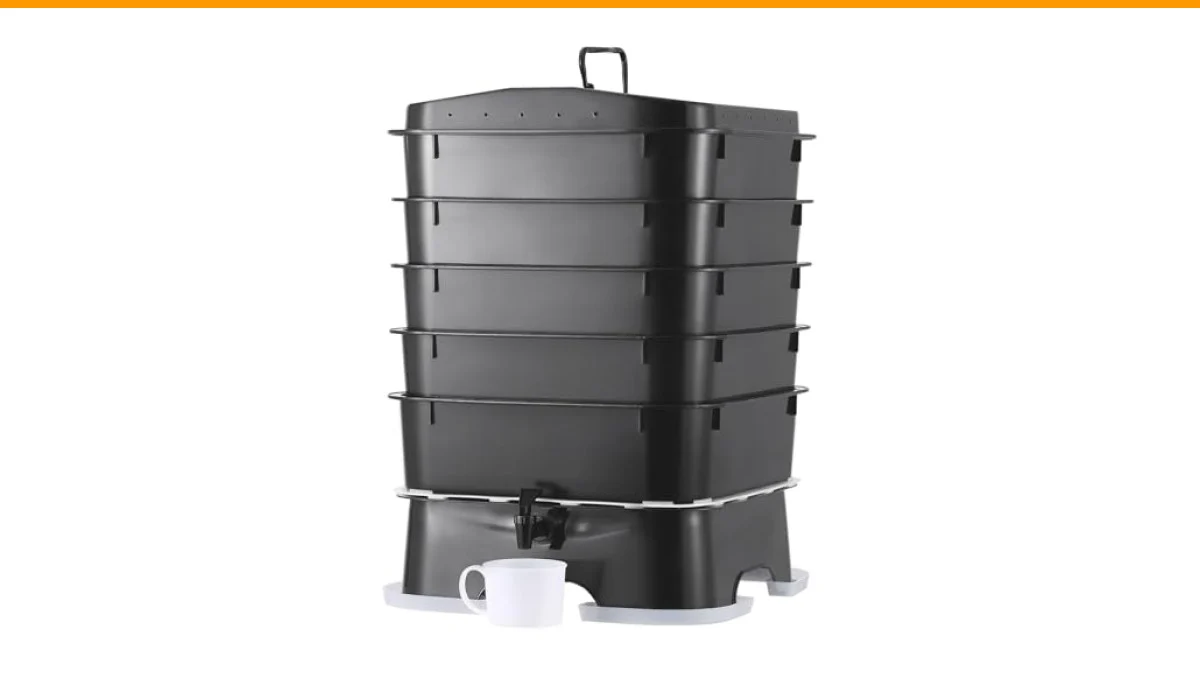
VermiHut Plus 5-Tray Black
The Original VermiHut Plus 5-Tray Worm Composter is the closest thing to a premium appliance in this category. It is designed for someone who wants a reliable indoor or outdoor worm bin without fussing over leaks or ant invasions. The black color looks sharp on a kitchen counter or balcony, and the compact footprint means it does not dominate your space.
What stands out here is the attention to airflow. The improved lid has a built-in V-Board and a coconut mat that work together to keep moisture balanced. That matters because too much moisture is the number one killer of worm bins. The Worm Saver Tray sits above the liquid collection area, so worms do not drown in leachate and you get better airflow through the whole stack.
There is one trade-off. The base feet have a special design that lets you add water to create a moat, which stops ants from climbing in. That is clever, but it also means you need to remember to fill that moat, especially if you keep the bin outdoors in summer. Also, this model does not come with any starter tools or bedding, so you will need to buy those separately.
- 5 stacking trays plus a Worm Saver Tray and liquid collection base
- V-Board and coconut mat in the lid for moisture control
- Protective base feet with water moat to deter ants
- Compact design, suitable for indoor or outdoor use
- Worms not included; requires separate bedding and starter worms
Best for: Homeowners who want a polished, low-odor worm bin with thoughtful pest prevention, and who already have or are willing to source worms and bedding separately.
VermiHut Plus 5-Tray Green
This is the same VermiHut Plus system but in a dark green finish, and it swaps the ant-proof feet for an integrated liquid collection base. If you plan to harvest worm tea regularly, this version simplifies that job. The base and collection tray are molded as one piece, so there is no extra assembly and no seam where liquid can leak out.
For a beginner, this design is forgiving. You can open the spigot and drain the leachate without tilting the whole bin or disassembling the stack. That is a real convenience, because worm tea is a fantastic liquid fertilizer, but only if you actually collect it before it goes anaerobic. The green color also blends nicely with plants if you keep it on a patio.
The downside is that you lose the ant moat feature from the black version. If you live in an area with heavy ant pressure, you might need to set the bin on a tray of water yourself. Also, like the black model, this one does not include a starter kit, so budget for coco coir and worms.
- 5 trays with the same V-Board and coconut mat lid system
- One-piece molded base and liquid collection tray with spigot
- Worm Saver Tray prevents worms from falling into leachate
- Dark green color, fits well in garden settings
- No starter tools or bedding included
Best for: Gardeners who want to regularly collect worm tea without hassle and prefer a green bin that hides dirt and blends into outdoor plant areas.
Blütezeit 5-Tray Gold
The Blütezeit 5-Tray Worm Compost Bin in gold is the most complete package of the group. It comes with a turning fork, shovel, soil meter, coco coir brick, non-woven fabric, anti-slip feet, a cup, and a spigot for worm tea. That is everything a first-time composter needs except the worms themselves. The gold color is unusual, but it is actually a nice touch if you keep the bin in a visible spot.
This bin holds 13 gallons (50 liters), which is substantial for a family of four or five. The trays are made from high-quality PP plastic, which is food-safe and UV-resistant enough for outdoor use. Each tray has air holes for ventilation, and the included soil meter helps you monitor moisture, pH, and light levels. That takes the guesswork out of maintaining a healthy worm farm.
One thing to note: the gold finish is a bit flashy, and it may show scratches more than black or green. Also, the 5-tray height means you need about two feet of vertical clearance, so measure your shelf space before ordering. The kit does not include worms, but the manual gives clear guidance on how many to start with.
- 13 Gal (50L) capacity across 5 trays
- Includes turning fork, shovel, soil meter, coco coir, fabric, cup, spigot
- PP plastic trays with air holes for ventilation
- Anti-slip feet keep the stack stable
- Detailed user manual with step-by-step instructions
Best for: Beginners who want a turnkey setup with all the tools included, and who like a bold color in their kitchen or balcony.
Blütezeit 3-Tray Green

Blütezeit
Blütezeit 3-Tray Worm Composter, 32QT Worm Farm with Compost Worms Starter Kit for Indoor & Outdoor, Worm Composting Bin for Recycling Food Waste (Green)
- 🌱【Efficient Vermicomposting】- The Blütezeit worm composter speeds up the conversion of organic waste into nutrient-rich compost, p…
- 🌱【Easy Setup & Durable】- Start composting with ease using our user-friendly 3-tray worm farm, made from high-quality, durable PP m…
- 🌱【Odor-Free Composting】- Our worm compost bin features optimal ventilation with air holes in each tray to ensure proper airflow, k…
If the 5-tray models feel like overkill, the Blütezeit 3-Tray Worm Composter is the opposite. It holds 8 gallons (30 liters), which is plenty for one or two people who cook at home and want to recycle kitchen scraps. The green color is pleasant, and the smaller footprint means it fits on a countertop or under a sink.
What makes this model smart is its modular design. You can start with three trays and buy additional trays later if your worm population grows. That flexibility is rare in this price range. It also comes with the same starter kit as the 5-tray version: a turning fork, shovel, soil meter, coco coir brick, non-woven fabric, anti-slip feet, cup, and spigot. So you are not missing out on tools just because you chose a smaller bin.
The trade-off is obvious: less capacity. If you generate a lot of food waste, you will fill the trays quickly and need to harvest more often. Also, a smaller bin is more susceptible to temperature swings, so it is best kept indoors or in a sheltered spot. But for a single person or a couple, this is the most practical size.
- 8 Gal (30L) capacity across 3 trays
- Modular design – add more trays later
- Includes full starter kit with soil meter and tools
- Compact footprint for countertop or small balcony
- PP plastic, durable and easy to clean
Best for: Apartment dwellers or small households who want to start vermicomposting without committing to a large tower.
Blütezeit 5-Tray Black
The Blütezeit 5-Tray Worm Composter in black is essentially the same as the gold version but with a more understated color. If you prefer a bin that does not draw attention, this is the one. It has the same 13-gallon capacity, the same starter kit, and the same tray design with air holes.
What sets this apart from the gold model is purely aesthetic, but that matters when the bin sits in your kitchen. Black hides stains and looks more like a modern appliance than a gardening tool. The included soil meter is a genuinely useful addition, because it tells you when your bedding is too dry or too wet before problems start.
There is no meaningful downside to choosing black over gold, except that it may absorb more heat if placed in direct sunlight outdoors. Keep it shaded and you will be fine. Like the other Blütezeit models, this one does not include worms, so you will need to order red wigglers separately. The manual includes a guide on how many worms to add based on your food waste volume.
- 13 Gal (50L) capacity, 5 trays
- Black color, hides dirt and looks sleek
- Complete starter kit: fork, shovel, soil meter, coco coir, fabric, cup, spigot
- Air holes in each tray for passive aeration
- Anti-slip feet for stability
Best for: Families who want a large, all-in-one worm bin with a neutral look that fits any indoor space.
How We Chose These Products
I focused only on stacking tray systems, not tumblers or static bins, because the harvesting mechanism is fundamentally different. A good stacking tray bin lets you rotate trays so the oldest material ends up at the bottom, fully processed and ready to use. I looked for bins that make that rotation smooth, with trays that do not buckle or leave gaps for worms to escape.
I also weighed the included accessories. Some bins are bare plastic towers, while others come with tools, bedding, and moisture meters. For a beginner, a kit with a soil meter and coco coir brick is worth more than a slightly larger bin. I considered plastic quality, since PP is food-safe and resists UV damage better than recycled plastics. Finally, I read through the feature lists for details like ant moats, integrated leachate collection, and airflow systems, because those small touches determine whether your bin becomes a hobby or a headache.
Buying Guide: What Really Matters
When you compare stacking tray composters, the first thing to check is the number of trays and total capacity. A 3-tray bin holds roughly 8 gallons, which suits one or two people. A 5-tray bin holds 13 gallons, which handles a family of four. But capacity is not just about volume; it is about how often you harvest. More trays mean you can go longer between harvests, but they also require more vertical space.
Next, look at the airflow and moisture management. Worms need oxygen and a damp, but not soggy, environment. Bins with a V-board or coconut mat in the lid help regulate moisture. Trays with air holes improve ventilation. If a bin has no airflow features, you will likely end up with anaerobic conditions that smell bad and harm the worms.
Consider the accessories. A soil meter is a small addition, but it takes the guesswork out of maintaining the right moisture and pH. A spigot on the base makes collecting worm tea easy. Anti-slip feet prevent the stack from wobbling. These extras add value and reduce the learning curve. Finally, think about where you will place the bin. Indoors, you want a compact footprint and odor control. Outdoors, you need UV-resistant plastic and protection from ants.
Our Top Recommendation
For most people, the best compost bin with stacking trays is the VermiHut Plus 5-Tray in black. It has the most thoughtful design features: the V-Board and coconut mat for moisture control, the Worm Saver Tray to keep worms out of the leachate, and the ant-proof base feet. It is a well-engineered system that works indoors or outdoors, and it avoids the common problem of trays buckling because the design supports even stacking.
If you are a beginner and want everything included, the Blütezeit 5-Tray (either gold or black) is the runner-up. The starter kit with soil meter and coco coir brick saves you a separate purchase and gets you composting on day one. For small spaces, the Blütezeit 3-Tray is the best choice. It offers the same quality but in a compact size that fits on a counter. If you plan to harvest worm tea often, the VermiHut Plus in green with its integrated collection base is worth a look. Whichever you pick, remember that worms are not included, so order red wigglers separately.
Frequently Asked Questions
How does tray-by-tray harvesting work?
You start with worms and bedding in the bottom tray. As you add food scraps, the worms eat and migrate upward. When the bottom tray is full of castings, you add a new empty tray on top with fresh bedding and food. The worms move up to the new tray, leaving the bottom tray ready to harvest. This is called the bottom-up rotation method, and it is the core advantage of stacking tray bins.
What plastic is safe for food scraps and outdoor use?
Most quality stacking tray bins use polypropylene (PP), which is food-safe and resistant to UV damage. PP does not leach chemicals into your compost, and it can handle outdoor sun without becoming brittle. Avoid bins made from recycled or unknown plastics, as they may contain additives that are not food-safe. The VermiHut and Blütezeit models both use PP, which is a good standard.
Why do my trays buckle or leave gaps?
Buckling happens when trays are overfilled or when the plastic is too thin. To prevent it, do not pack trays to the brim; leave an inch of space at the top. Also, make sure the trays are aligned properly and the lid is secure. If you see gaps, check that the anti-slip feet are level. Some bins, like the VermiHut, have a more rigid design that resists buckling better than budget options.
How do I fix trays that are too wet or too dry?
If your trays are too wet, add dry bedding like shredded newspaper or cardboard, and leave the lid off for a few hours to let excess moisture evaporate. If they are too dry, mist the bedding with water and mix it gently. A soil meter helps you monitor moisture levels. Also, make sure you are not adding too many high-moisture food scraps like watermelon or lettuce without balancing them with dry materials.