The Essential Guide to Fertilizing Container Plants
Contents
Many gardeners face a common challenge: keeping container plants thriving. Unlike in-ground plants, container plants rely heavily on you for nutrients. The limited soil volume means they can quickly deplete essential nutrients. As a result, understanding how to fertilize container plants effectively is crucial for their health and productivity. This guide will provide detailed strategies to nourish your plants and ensure they flourish.
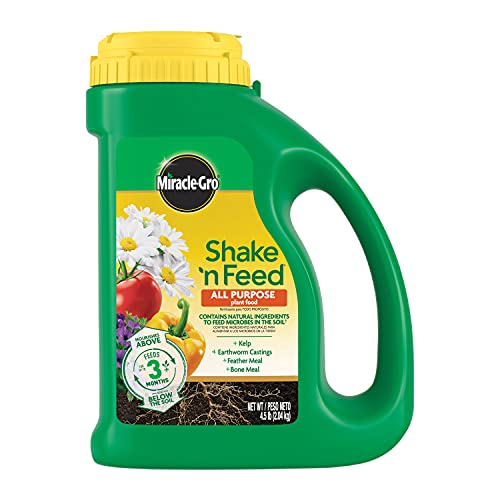
You’ll learn about different types of fertilizers, when and how to apply them, and a recommended product that can simplify the process. For instance, Miracle-Gro Shake ‘N Feed All Purpose Plant Food is an excellent choice, as it feeds plants for up to three months and supports both above and below soil health.
Miracle-Gro
Miracle-Gro Shake 'N Feed All Purpose Plant Food, 4.5 lb.
- 3 MONTHS OF FEEDING: Miracle-Gro Shake 'N Feed All Purpose Plant Food feeds plants for up to 3 months, and nourishes above and bel…
- GROW STRONGER PLANTS: This plant food contains vital micronutrients to grow stronger, vibrant, and more productive plants (vs unfe…
- FOR ALL PLANTS: Use this all-purpose plant food outdoor or indoor to feed container plants or plants in outdoor in-ground and rais…

Understanding the Nutritional Needs of Container Plants
Container plants have unique nutritional requirements. They thrive on a mix of macronutrients (nitrogen, phosphorus, potassium) and micronutrients (like iron, magnesium, and calcium). Each nutrient plays a specific role:
- Nitrogen: Promotes leaf growth and overall plant vigor.
- Phosphorus: Fuels root development and flowering.
- Potassium: Enhances overall plant health and disease resistance.
To keep your plants thriving, you’ll want to adjust your fertilization strategy based on their growth stage. For example, during the growing season, plants require more nitrogen to support leafy growth. In contrast, flowering plants benefit from higher phosphorus levels.
Types of Fertilizers for Container Plants
When it comes to fertilizing container plants, there are several options available:
- Granular Fertilizers: Slow-release options like Miracle-Gro Shake ‘N Feed provide nutrients over an extended period. Apply them to the soil surface and water in.
- Liquid Fertilizers: Fast-acting and ideal for quick nutrient boosts. Dilute according to instructions and apply directly to the soil or foliage.
- Organic Fertilizers: Derived from natural sources, these can improve soil structure and microbial activity. Compost and fish emulsion are popular choices.
Each type has its advantages. Granular fertilizers offer convenience, while liquid fertilizers deliver speed. Organic options promote long-term soil health, making them appealing for eco-conscious gardeners.
Best Practices for Fertilizing Container Plants
Effective fertilization hinges on timing and application methods:
- Frequency: Most container plants benefit from fertilization every 4-6 weeks during the growing season. For example, if you use a slow-release fertilizer like Miracle-Gro, you can reapply every three months.
- Application: For granular fertilizers, sprinkle the product evenly on the soil surface and lightly work it into the top 1-3 inches. For liquids, water the plants first and then apply the diluted solution.
- Watering: After applying fertilizer, always water your plants. This helps activate the nutrients and reduces the risk of root burn.
Pay attention to your plants’ response. Yellowing leaves can indicate nutrient deficiencies, whereas burnt leaf tips may suggest over-fertilization.
| Type of Fertilizer | Release Rate | Application Method | Best For |
|---|---|---|---|
| Granular | Slow (up to 3 months) | Sprinkle and water | All-purpose feeding |
| Liquid | Fast (immediate) | Dilute and apply | Quick nutrient boost |
| Organic | Variable | Mix into soil or apply as tea | Soil health & structure |
Common Questions About Fertilizing Container Plants
How often should I fertilize container plants?
Fertilize every 4-6 weeks during the growing season. Slow-release fertilizers can be applied every three months.
Can I use regular garden fertilizer for container plants?
Regular garden fertilizers can work, but container plants may need more frequent feeding due to limited soil volume. Consider using a formula specifically designed for container gardening.
What signs indicate my container plants need fertilization?
Signs include yellowing leaves, stunted growth, and poor flowering. A nutrient deficiency often manifests as pale or discolored foliage.
Are organic fertilizers better for container plants?
Organic fertilizers improve soil health and microbial activity. They can be beneficial for long-term plant health, but may require more frequent applications.
Can I over-fertilize my container plants?
Yes, over-fertilization can lead to burnt roots and leaf tips. Always follow application instructions and monitor your plants for signs of stress.
Takeaways for Successful Container Plant Fertilization
- Understand the unique nutritional needs of container plants.
- Choose the right type of fertilizer based on your plants’ needs.
- Follow a regular fertilization schedule, adjusting for growth stages.
- Water after applying fertilizer to activate nutrients.
- Monitor plant health for signs of nutrient deficiency or over-fertilization.
- Consider using products like Miracle-Gro Shake ‘N Feed for ease and effectiveness.
- Maintain good soil structure with organic fertilizers for long-term health.
With these strategies, you can confidently nourish your container plants and enjoy their beauty and productivity. For more tips on optimizing your gardening experience, check out our resources on fertilizing mistakes and drip irrigation.