
Keeping Cool Season Crops Alive in Summer: Essential Tips and Techniques
Contents
Summer can be a challenging time for gardeners who grow cool season crops. Just when you think you’ve mastered the art of gardening, the sweltering heat arrives, and your beloved greens start to wilt. If you’ve ever watched your lettuce or spinach struggle under the relentless sun, you understand the frustration. Fortunately, with the right strategies, you can keep your cool season crops thriving even during those scorching months.
This article will guide you through effective methods for keeping cool season crops alive in summer. You will learn about shading techniques, proper watering practices, and even crop selection to ensure your garden remains productive. By implementing these strategies, you can enjoy fresh greens all summer long.
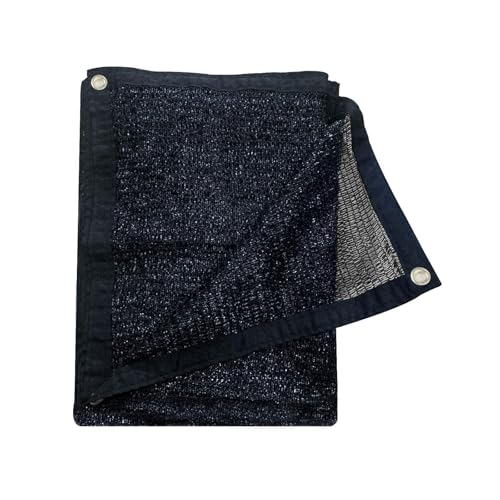
Cool Area
Cool Area Sun Shade Cloth with Grommets for Garden, 55% 6.5x10ft, Black
- 【55% Shading Rate】Made of 100% New High Density Polyethylene (HDPE) fabric material, has a shading rate up to 55% can avoiding dir…
- 【2-3 Years Service Life】Refuse to use recycled materials, tear resistant, high temperature resistance, glossy, safe and odorless,…
- 【Easy To Install】Package content: 1 piece-shade cover, Average 50 cm for an aluminum buckle, You can fix the sunblock shade on any…
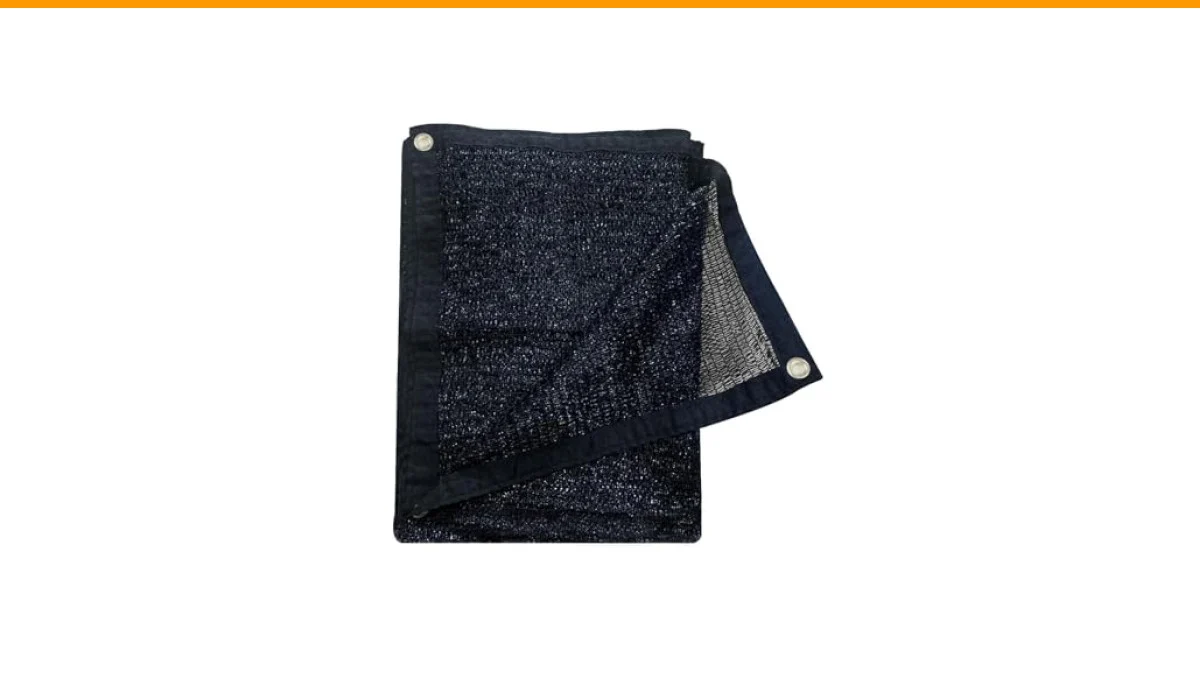
One helpful tool in your arsenal is a Cool Area Sun Shade Cloth. This 55% shading cloth is made from high-density polyethylene, allowing air circulation while protecting your plants from direct sunlight. It’s easy to install and can be used in various outdoor settings, making it a practical addition to your gardening toolkit.
Understanding the Effects of Heat on Cool Season Crops
Cool season crops, like lettuce, peas, and broccoli, thrive in moderate temperatures. Generally, they prefer temperatures between 55°F and 75°F. When temperatures rise above these levels, plants can experience heat stress, leading to bolting, wilting, and reduced yield. How serious is this? In extreme cases, high heat can destroy crops in just a few days.
Recognizing the signs of heat stress is vital. Look for droopy leaves, slower growth, or flowering too early. Once you identify these symptoms, it’s time to take action. Simple changes can make a significant difference in your crops’ health.
Effective Watering Techniques
Watering is one of the most crucial factors in keeping cool season crops alive in summer. When the temperature rises, your plants will need more water. But how much is enough? Generally, aim for about 1 to 1.5 inches of water per week. This can vary based on soil type and local climate conditions.
Consider these watering tips:
- Water Early or Late: Watering in the morning or late afternoon helps reduce evaporation and allows plants to absorb moisture before the heat peaks.
- Deep Watering: Water deeply but less frequently to encourage roots to grow deeper.
- Use Mulch: Applying a layer of organic mulch can help retain soil moisture and keep root systems cool.
These practices not only support plant health but also reduce the stress on your water supply. The right watering technique can significantly enhance your crop’s resilience against summer heat.
Utilizing Shade Solutions
Providing shade is a straightforward way to protect cool season crops from harsh sunlight. Shade cloths, like the one mentioned earlier, block a portion of the sun’s rays while still allowing necessary air circulation. You can set up shade cloths over rows of crops or even use them in conjunction with other structures such as greenhouses.
Here are some additional shade solutions:
- Planting Cover Crops: Use taller plants to create a natural shade for smaller crops. For instance, corn can provide shade for lettuce.
- Garden Structures: Arbors or trellises can be utilized to create shaded areas. You can even grow vining crops on these structures to maximize space and shade.
- Temporary Shade: Use re-purposed materials like old sheets or tarps to create temporary shade during peak heat days.
These methods not only protect your crops but can also enhance the overall aesthetics of your garden.
Choosing the Right Varieties
If you want to keep cool season crops alive in summer, consider planting heat-tolerant varieties. Some crops are bred specifically to withstand higher temperatures. For instance, you might try ‘Butterhead’ lettuce or ‘Evergreen’ bunching onions, both of which tend to perform better in warmer conditions.
Here’s a table comparing traditional cool-season crops with their heat-tolerant counterparts:
| Traditional Crop | Heat-Tolerant Variety |
|---|---|
| Lettuce | Butterhead Lettuce |
| Spinach | New Zealand Spinach |
| Broccoli | Broccoli Raab |
| Peas | Heatwave Peas |
Choosing the right varieties can be a game changer, especially when facing unpredictable summer heat.
What are some signs that my cool season crops are overheating?
Common signs of overheating include droopy leaves, discoloration, and early flowering or bolting. If you notice these symptoms, consider implementing shading and better watering practices.
How often should I water my cool season crops in summer?
Cool season crops typically need about 1 to 1.5 inches of water per week, especially in hot weather. Adjust this based on soil type and evaporation rates.
Can I grow cool season crops in containers during summer?
Yes, growing cool season crops in containers can be effective. Ensure you provide adequate shade and monitor soil moisture closely, as container plants can dry out faster than those in the ground.
What role does mulch play in summer gardening?
Mulch helps retain soil moisture, suppresses weeds, and keeps root systems cool. Organic materials like straw or wood chips are excellent choices for mulch.
Are there specific fertilizers for summer gardening?
Yes, using a balanced fertilizer with a higher nitrogen content can help support growth during the summer months. Look for fertilizers specifically designed for vegetables.
Final Thoughts and Action Steps
- Monitor your crops for signs of heat stress regularly.
- Water deeply and consistently, focusing on early mornings or late afternoons.
- Utilize shade cloths or other shading techniques to protect plants.
- Consider planting heat-tolerant varieties for better summer yields.
- Apply mulch to retain soil moisture and keep roots cool.
- Stay informed about local weather patterns to adjust your gardening strategies accordingly.
- Explore additional resources for summer gardening tips, like summer lawn care and fertilizer for lawns.
Keeping cool season crops alive in summer requires proactive management and a willingness to adapt. With these strategies, you can enjoy a thriving garden even in the hottest months.