
Optimizing Your Vegetable Garden Layout for Small Spaces
Contents
For many, the idea of growing their own vegetables is appealing, but limited space can seem like a barrier. Small yards, balconies, or even rooftops often leave little room for traditional gardening methods. However, with the right layout and planning, you can create a vibrant vegetable garden that thrives in tight quarters. This article will guide you through essential strategies to optimize your vegetable garden layout for small spaces, ensuring you maximize your yield while maintaining an aesthetically pleasing environment.
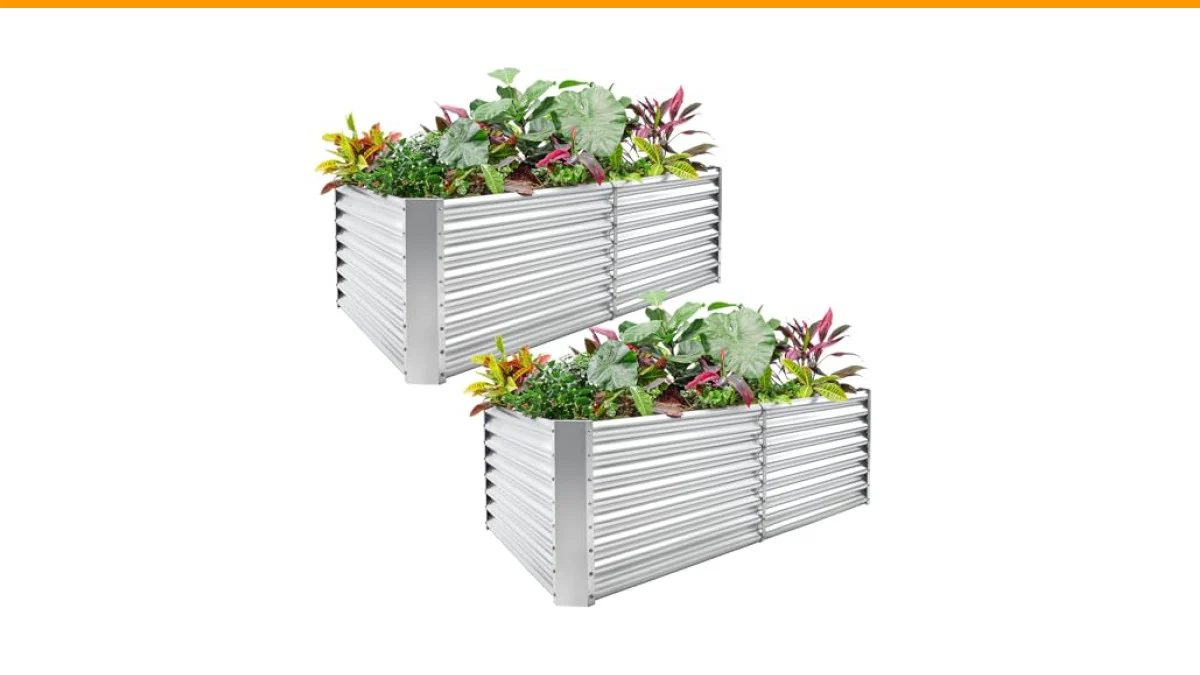
One effective solution for small-space gardening is using raised garden beds. For example, the Land Guard 2 Pack 6×3×2 ft Galvanized Metal Raised Garden Bed is a great option. These galvanized metal beds not only provide ample soil volume and depth for deep-rooted vegetables, but their durable construction makes them a long-lasting choice. Plus, their bottomless design encourages healthy root development and efficient drainage.

Land Guard
Land Guard 2 Pack 6×3×2 ft Galvanized Metal Raised Garden Bed, 2FT Deep Root Elevated Planter Box Steel Large Vegetable Flower Bed Kit, Silver
- 2 feet height: Compared with the ordinary 1-foot garden bed, this raised garden box has been improved in all aspects in terms of a…
- Large volume: Our large metal raised garden boxes of several specifications have a planting volume of 4×2×2ft=16 cubic feet=99 gal…
- Durable high-quality material: Galvanized steel raised garden bed is made of upgraded coated steel plate, which has strong anti-ru…
Choosing the Right Layout
The first step in designing your vegetable garden layout is to choose a suitable arrangement for your plants. Here are some popular layouts that work well in small spaces:
- Square Foot Gardening: This method divides your garden into square foot sections, allowing you to plant several types of vegetables in a compact area. For instance, a 4×4 foot bed can yield up to 16 different plants.
- Vertical Gardening: This approach utilizes vertical space by growing plants on trellises or shelves. Climbing plants like peas and tomatoes thrive in this setup, freeing up ground space for other crops.
- Container Gardening: Using pots and containers allows you to grow vegetables on patios, balconies, or even stairs. Select containers that suit the size of your plants; for example, 5-gallon buckets work well for tomatoes.
Maximizing Space with Companion Planting
Companion planting is an effective strategy for small gardens. It involves planting certain vegetables together that can benefit each other. For example, tomatoes and basil are known to enhance each other’s growth and flavor. Here are a few more successful pairings:
- Carrots and Onions: These two plants can coexist well, deterring pests naturally.
- Corn and Beans: Beans climb the corn stalks, while the corn benefits from nitrogen produced by the beans.
- Radishes and Cucumber: Radishes can germinate quickly and act as a natural pest deterrent for cucumbers.
Using companion planting not only optimizes the space but also improves the overall health of your garden.
Soil and Water Management
Soil health is crucial for a productive vegetable garden. In small spaces, the soil can become depleted quickly due to the concentrated planting. It’s essential to:
- Use high-quality soil mixes that retain moisture yet drain well. Look for mixes that contain organic matter.
- Implement a drip irrigation system to ensure your plants receive consistent moisture without wasting water. A system with a timer can help automate this process.
- Consider mulching around your plants to reduce evaporation and suppress weeds, helping to maintain soil health.
Comparative Table of Small Space Gardening Methods
| Gardening Method | Space Required | Best Plants | Pros | Cons |
|---|---|---|---|---|
| Square Foot Gardening | 4×4 ft recommended | Variety of vegetables | Efficient use of space | Requires initial setup |
| Vertical Gardening | Minimal ground space | Climbing plants (peas, tomatoes) | Maximizes yield | Limited to certain plants |
| Container Gardening | Varies by container | Most vegetables | Flexible and mobile | Watering can be tricky |
What are the best vegetables to grow in a small garden?
Some of the best vegetables for small gardens include lettuce, radishes, and herbs. These plants have a quick growth cycle and require less space, making them ideal for limited areas.
How can I improve soil quality in a small garden?
Regularly amend your soil with organic matter like compost or well-rotted manure. This practice enriches the soil structure and enhances nutrient availability for your plants.
Can I grow tomatoes in a small space?
Yes, tomatoes can thrive in small spaces, especially if you choose determinate varieties or use vertical gardening techniques. Ensure they get enough sunlight and support for their growth.
What is the best way to water a small vegetable garden?
Drip irrigation systems are ideal for small gardens. They deliver water directly to the root zone, minimizing evaporation and ensuring efficient water use.
How can I attract pollinators to my small garden?
Planting flowers alongside your vegetables can draw in pollinators. Consider plants like marigolds or sunflowers, which are known to attract bees and butterflies.
Final Thoughts on Vegetable Garden Layout for Small Spaces
- Choose a suitable layout that maximizes your available space.
- Implement companion planting to enhance growth and deter pests.
- Focus on soil health through quality amendments and regular care.
- Consider using raised beds like the Land Guard Garden Bed for durability and efficiency.
- Utilize water-efficient practices such as drip irrigation.
- Explore vertical gardening if ground space is extremely limited.
- Experiment with different plants to find what works best in your unique environment.


