

Yard Butler Lawn Coring Aerator
Contents
Every spring, the same story plays out across thousands of lawns. The grass looks dull, water pools in patches after rain, and the turf feels spongy underfoot. You fertilize, you water, and the grass still struggles. The problem isn’t the lawn care routine. It’s the soil underneath. Foot traffic, mower passes, and heavy rain pack soil particles together, and those tight layers block air, water, and nutrients from reaching grass roots. That’s when a lawn coring aerator earns its place in the shed.
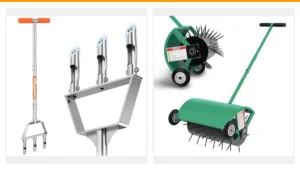
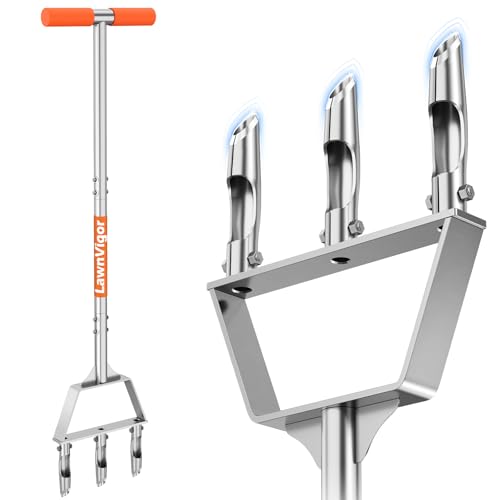
A great manual coring aerator pulls actual soil plugs out of the ground, not just pokes holes. Those removed plugs create channels for roots to breathe, water to drain, and fertilizer to sink in. Spike tools get attention because they look simpler, but they can compact the soil around each hole. Coring tools do the opposite. They open the ground and leave small plugs on top that break down over time. For a small-to-medium lawn, a hand-powered corer gets the job done without renting a machine or paying for a lawn service.
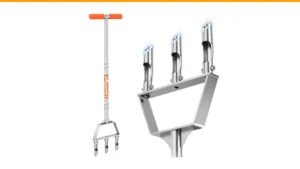
This guide compares five manual aerators, with a hard look at the Yard Butler lawn coring aerator at the center. You’ll also find the exact signs your lawn needs aeration, how to time it by grass type, and the footwork that makes plug pulling cleaner and easier.
Here is how the five picks stack up at a glance.
| Features | Yard Butler Manual | LawnVigor Manual | Yard Butler Spike | Dolibest Steel | Walensee 4-Row |
|---|---|---|---|---|---|
| Aeration Style | Dual plug corer | 3 hollow tines | 4 steel spikes | 4 stainless corer plugs | 20 steel spikes |
| Material & Build | Powder-coated steel | Heat-treated metal tines | Powder-coated steel | SUS 304 stainless steel | Heavy-duty steel |
| Best For | Whole lawns without bending | Compacted soil with clean holes | Quick spike aeration | Small lawns with soil tray | Spot aeration in tight spaces |
| Watch Out | Manual effort required | Keep white inserts in tines | Sp
Keep reading |