As the days grow shorter and temperatures drop, many gardeners face a common dilemma: how to protect their beloved perennials from the harsh winter months. The thought of losing vibrant blooms and lush greenery can be disheartening. However, with the right techniques, you can ensure that your perennials survive the winter and return stronger in the spring. This article will guide you through essential steps for winterizing perennials, providing practical tips and insights to help you prepare your garden for the cold.
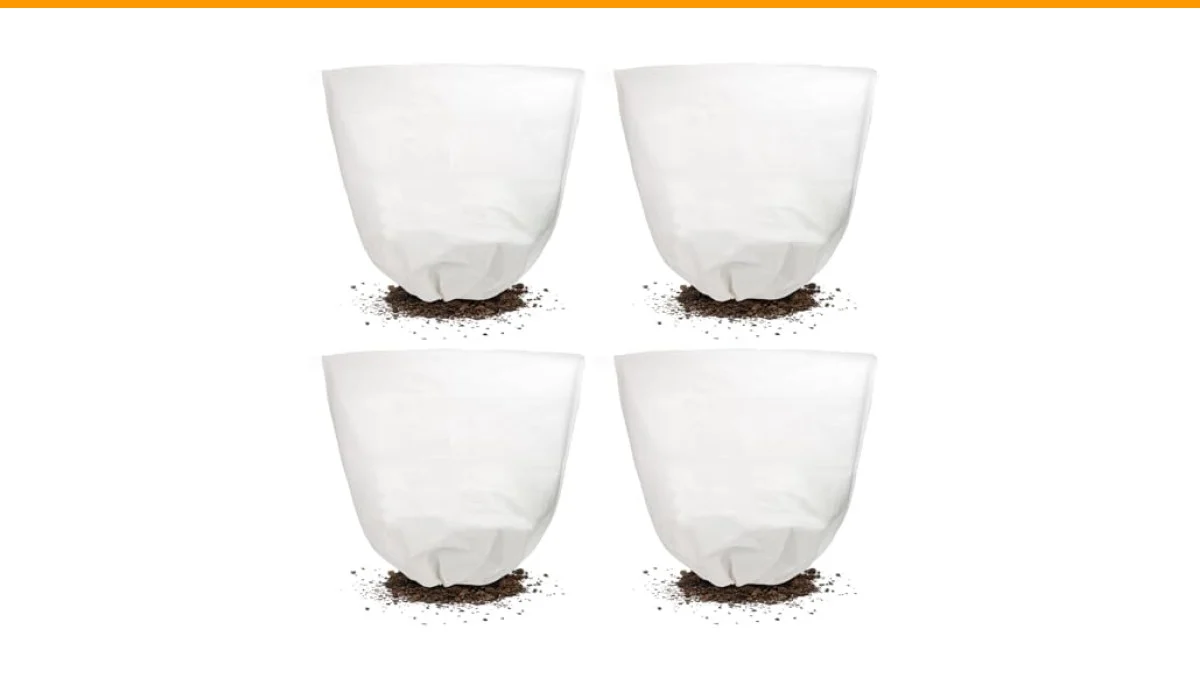
Winterizing perennials isn’t just about throwing a tarpaulin over your plants or hoping for the best. It requires a thoughtful approach tailored to the specific needs of each plant type. You’ll learn about the best practices to protect your perennials, how to select the right materials, and when to implement these strategies. As an added resource, consider using the Svepndic Winter Plant Covers. These breathable covers provide excellent protection against frost and cold while allowing plants to breathe.

Svepndic
4 Pcs 39 x 39 in Winter Plant Covers Freeze Protection with Drawstring | Reusable Plant Protector Bags, for Shrubs and Outdoor Garden Plants, Frost Protection for Seasonal Outdoor Use
- Premium breathable material - The winter plant covers are made of quality lightweight and breathable non-woven fabric.Not only pro…
- 4pcs plant covers - You will receive 4pcs white anti-freezing bag,each measures approx. 39.4 x 39.4 inches, large enough to meet y…
- Drawstring design - This style of plant protection bag feature adjustable drawstring design on the bottom,which is easy to use and…
Understanding Your Perennials
Before you can effectively winterize perennials, it’s crucial to understand what you’re working with. Different plants have varying levels of hardiness and unique requirements for winter care. Here’s a quick breakdown:
- Hardy Perennials: These plants can survive freezing temperatures and may just need a light layer of mulch for insulation. Examples include peonies and hostas.
- Tender Perennials: These plants are more susceptible to cold and often require additional protection, such as covering or relocating them indoors. Examples include geraniums and fuchsias.
Knowing your plants’ hardiness zones can significantly impact your winterizing strategy. You can refer to the USDA Plant Hardiness Zone Map to determine which plants are suitable for your area.
Preparing Perennials for Winter
When winterizing perennials, timing is everything. The best time to begin preparations is in the fall, before the first frost hits. Here are some steps to consider:
- Cut Back Dead Growth: Remove dead stems and foliage to prevent disease and pest infestations. However, leave the foliage of certain plants, like ornamental grasses, as they provide winter interest and habitat for wildlife.
- Mulch Generously: Apply a thick layer of mulch (3-4 inches) around the base of your perennials. This will help insulate the roots and retain soil moisture. Use organic materials like shredded leaves or straw for best results.
- Water Before Freeze: Water your perennials thoroughly before the ground freezes. Moist soil retains heat better than dry soil, helping to protect roots from extreme cold.
- Use Plant Covers: For particularly tender varieties, plant covers like the Svepndic Winter Plant Covers can provide needed insulation. Simply slip them over the plants and secure them with the built-in drawstring.
These steps create a protective barrier that helps perennials withstand the winter months.
Winter Protection Methods
Various methods exist for winterizing perennials, each with its own advantages. Below is a comparison of popular options:
| Method | Description | Best For |
|---|---|---|
| Mulching | Applying organic or inorganic materials around plants to insulate and retain moisture. | Hardy perennials |
| Plant Covers | Using breathable fabric to shield plants from frost and wind. | Tender perennials |
| Container Relocation | Moving potted plants indoors or to a sheltered area. | Container-grown perennials |
| Windbreaks | Installing barriers to shield plants from harsh winds. | All types |
Choosing the right method depends on the specific needs of your plants and your local climate conditions.
Common Questions About Winterizing Perennials
What plants need winter protection?
Tender perennials and newly planted perennials typically need more protection from freezing temperatures. Examples include tropical plants and some flowering varieties.
How late in the fall should I winterize my perennials?
Winterizing should be done before the first hard frost, which varies by region. Generally, aim for mid to late fall.
Can I use plastic covers for winterizing?
Plastic covers can trap moisture and create mildew issues. Instead, opt for breathable materials like those found in the Svepndic covers to allow air circulation.
Should I water my perennials before winter?
Yes, watering deeply before the ground freezes helps maintain moisture levels and provides insulation for plant roots.
How do I know if my perennials survived winter?
In spring, check for new growth. If there are no signs after a few weeks, gently scrape the bark to see if it’s green underneath. If it is, the plant is likely alive.
Actionable Steps for Winterizing Perennials
- Identify your perennials and their hardiness levels.
- Cut back dead foliage and clean the garden beds.
- Apply a thick layer of mulch around the plants.
- Water deeply before the freeze sets in.
- Utilize breathable plant covers for extra protection.
- Monitor local frost dates to time your preparations.
- Consider additional protective measures like windbreaks.
Winterizing perennials can significantly improve their chances of thriving once spring rolls around. With these methods, you can enjoy a flourishing garden year after year.
For more detailed information on greenhouse options to enhance your winter gardening efforts, check out greenhouse insulation and mini greenhouse solutions.