Imagine stepping out onto your rooftop, greeted by a vibrant green oasis above the city skyline. Rooftop gardens are not just aesthetically pleasing; they offer a sanctuary for nature and can dramatically improve the environmental quality of urban living. However, designing a rooftop garden involves more than just selecting pretty plants. It requires careful thought about various factors that can affect both the garden’s success and the safety of your building.
This article will guide you through the critical design considerations for rooftop gardens. You’ll learn about structural integrity, plant selection, climate adaptation, and maintenance needs, ensuring your garden thrives in its unique environment.

Backyard Discovery
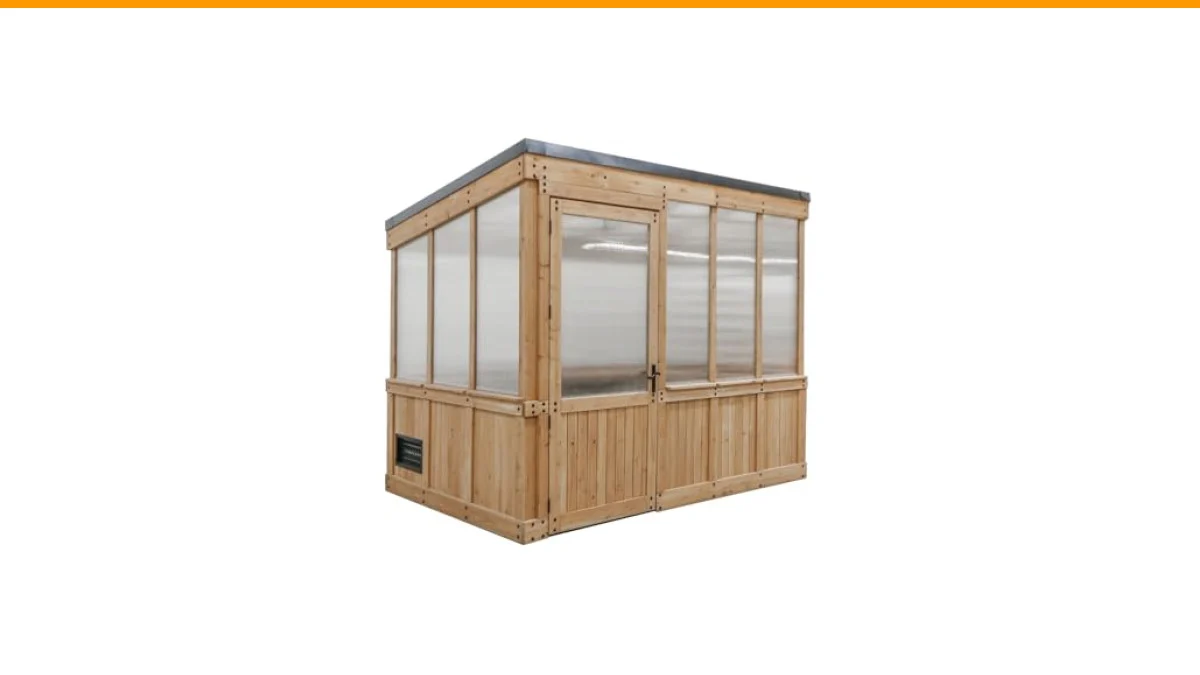
Backyard Discovery Willow 9' x 6' Cedar Wood and Polycarbonate Walk-in Greenhouse Kit with Exhaust Fan, Windows, Hose Hook-Ups, PowerPort, Staging Shelves for Year-Round Outdoor Gardening
- All-Weather Durability: Pro-Tect tested and proven to withstand up to 2,800 pounds or 30 inches of snow load, and winds up to 100…
- Industry-Leading Warranty: 5-year warranty for added peace of mind
- Optimal Insulation: Commercial-grade 4-wall polycarbonate roof and window panels improve heat retention by 30% for year-round gard…
For those looking to expand their gardening capabilities, consider the Backyard Discovery Willow 9′ x 6′ Cedar Wood and Polycarbonate Walk-in Greenhouse Kit. This greenhouse offers all-weather durability and optimal insulation, making it an excellent choice for year-round gardening. Its integrated ventilation and sturdy construction further ensure that your plants receive the best care possible.
Understanding Structural Integrity
One of the first considerations in rooftop garden design is the structural integrity of the building. Not all rooftops are designed to support additional weight. You’ll need to assess the load-bearing capacity of your roof.
- Weight Capacity: Determine the maximum load your roof can support. Most residential roofs can hold about 20-40 pounds per square foot, but this varies widely by building. Consult with a structural engineer to avoid potential hazards.
- Drainage Systems: Effective drainage is essential. Water pooling can lead to structural damage. Incorporate drainage systems that channel water away from the roof to prevent leaks.
- Accessibility: Ensure the area is easily accessible for maintenance. Consider weight restrictions when choosing materials and plants.
Choosing the Right Plants
Plant selection can significantly impact the success of your rooftop garden. The right plants will thrive in your unique rooftop environment, including exposure to wind and sunlight.
- Climate Adaptation: Select plants that are suited for your climate zone. Drought-resistant plants, such as sedums or succulents, often perform well in rooftop conditions.
- Soil Considerations: Use lightweight, well-draining soil mixtures to reduce weight while providing adequate nutrients. Consider adding a layer of mulch to retain moisture and reduce evaporation.
- Microclimates: Different areas of your rooftop may experience varying conditions. Identify microclimates and choose plants accordingly. For example, areas that receive full sun may be better suited for heat-tolerant plants.
Climate and Weather Considerations
Weather can play a significant role in the health of your rooftop garden. Wind, temperature fluctuations, and precipitation all influence plant growth.
- Wind Protection: Rooftops can be windy environments. Use barriers like trellises or windbreaks to protect sensitive plants.
- Temperature Extremes: The rooftop can heat up quickly, especially in summer. Ensure adequate irrigation systems are in place to combat dryness.
- Seasonal Changes: Plan for seasonal changes. Choose a mix of perennials and annuals to maintain interest year-round.
Maintenance and Accessibility
Rooftop gardens require ongoing care to remain healthy. Consider the ease of maintenance when designing your garden.
- Watering Systems: Integrate a drip irrigation system to provide consistent moisture. This reduces the need for manual watering and ensures efficient water use.
- Plant Arrangement: Design the layout for accessibility. Group plants with similar care needs together to streamline maintenance efforts.
- Seasonal Care: Create a seasonal care schedule that includes pruning, fertilizing, and pest management.
| Design Consideration | Key Factors | Examples |
|---|---|---|
| Structural Integrity | Weight capacity, drainage | Consulting a structural engineer, using lightweight materials |
| Plant Selection | Climate adaptation, soil | Drought-resistant plants, well-draining soil |
| Weather Considerations | Wind protection, temperature extremes | Using windbreaks, installing irrigation systems |
| Maintenance Needs | Watering systems, seasonal care | Drip irrigation, creating a care schedule |
What is the best type of soil for a rooftop garden?
Use a lightweight, well-draining soil mix designed for container gardening. This ensures proper drainage while reducing the overall weight on your roof.
How can I prevent water pooling on my rooftop garden?
Incorporate a drainage system that channels excess water away from the roof. Use raised beds or containers with drainage holes to promote water flow.
Can I grow vegetables in a rooftop garden?
Yes, many vegetables thrive in rooftop gardens, but choose those that are suitable for container growing. Consider smaller varieties or those that require less soil depth.
How do I protect my rooftop garden from extreme weather?
Implement windbreaks and reflective materials to reduce heat exposure. Provide shade for sun-sensitive plants and ensure proper irrigation during dry spells.
Is it difficult to maintain a rooftop garden?
Maintenance can be straightforward with proper planning. Consider using automated watering systems and choose low-maintenance plants to simplify care.
Final Thoughts on Rooftop Garden Design
- Assess the structural integrity of your roof before planting.
- Choose plants that are suited to your local climate.
- Incorporate effective drainage systems to prevent water pooling.
- Design for easy maintenance and accessibility.
- Plan for seasonal changes and varying weather conditions.
- Consider using a greenhouse for year-round gardening, like the Backyard Discovery greenhouse.
- Conduct regular checks to ensure the health of your rooftop garden.