Walking through a vibrant garden filled with the gentle hum of bees and the flutter of butterflies can be a truly enchanting experience. Imagine sipping your morning coffee while surrounded by colorful blooms, knowing that you’re contributing to the health of our planet. Creating a pollinator garden isn’t just about aesthetics; it’s about fostering a vital ecosystem that supports bees, butterflies, and other pollinators.
This guide will equip you with the knowledge to design your own pollinator garden, covering essential aspects such as plant selection, garden layout, and maintenance. Whether you have a small balcony or a spacious backyard, the tips here will help you create a haven for these crucial creatures.

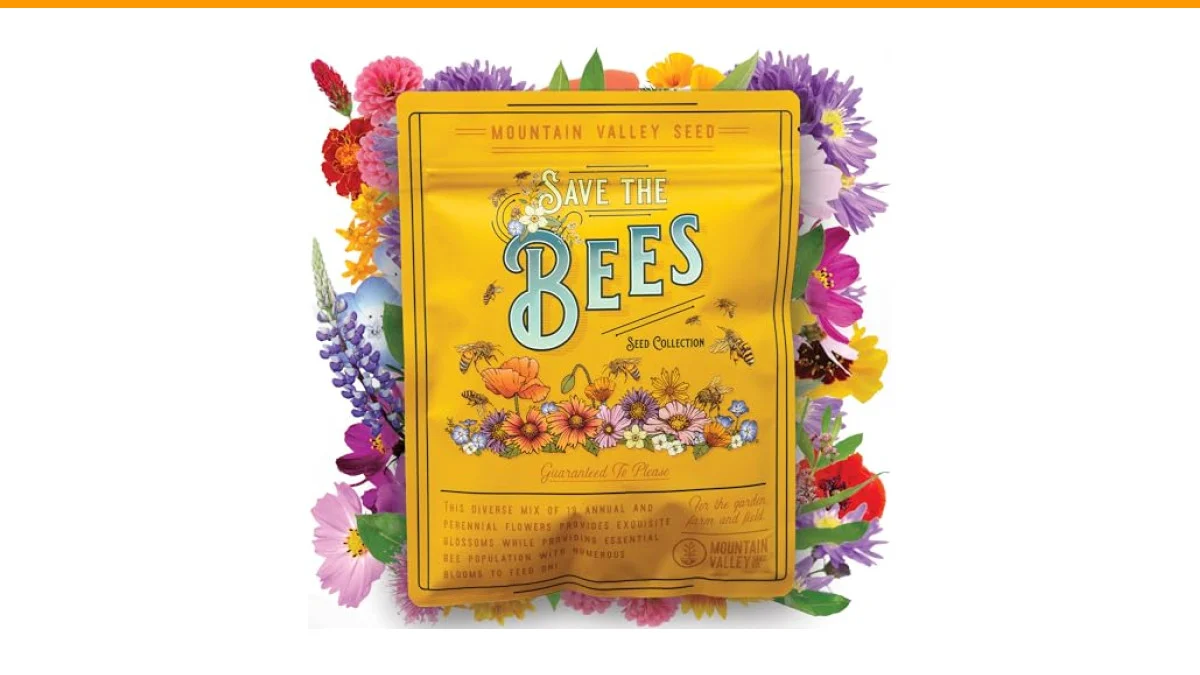
Mountain Valley Seed Company
Mountain Valley Seed Co Wildflower Seed 2 Oz. 80,000+ Seeds – Save the Bees | Mix with 19 Non-GMO Varieties – Bee Friendly & Pollinator Wildflower Seed for Planting
- This gorgeous selection of 19 annual and perennial wildflower seeds provides easy-to-grow bee friendly flowers . Wildflower seeds…
- A Mountain Valley Seed Company premium wild flower seed mix. As part of our National Wildflower Seed line, this specialty blend is…
- SEEDS INCLUDED: Butterfly Milkweed, New England Aster, Wallflower, Coreopsis, Cosmos, Sweet Alyssum, Red Corn Poppy seeds, Califor…
To get started, consider the Mountain Valley Seed Co Wildflower Seed. This mix features over 80,000 seeds of bee-friendly flowers, making it ideal for your pollinator garden.
Understanding Pollinators and Their Needs
Before diving into design specifics, it’s essential to understand the various types of pollinators and their needs. Bees and butterflies are the most recognized, but other creatures like hummingbirds and moths also play significant roles. Each species has its preferences for food, habitat, and nesting. For example:
- Bees: Prefer native wildflowers and need a sunny spot with some shelter.
- Butterflies: Thrive in sunny areas and require host plants for their larvae, such as milkweed for monarchs.
- Hummingbirds: Are attracted to bright, tubular flowers and need water sources nearby.
Understanding these needs will guide your plant choices and garden layout.
Plant Selection: Choosing the Right Flowers
Plant selection is crucial for a successful pollinator garden. Aim for a diverse range of plants that bloom at different times throughout the growing season. This ensures food is available for pollinators from spring to fall. Consider incorporating:
- Native Plants: These are adapted to your local climate and soil, making them easier to grow and more beneficial to local wildlife.
- Variety of Blooms: Include flowers of different colors, shapes, and sizes. Pollinators are attracted to various flower types, so diversity is key.
- Continuous Bloom: Choose plants that flower at different times to provide a steady food supply.
For instance, consider planting Butterfly Milkweed and New England Aster from the Mountain Valley Seed Company mix for a colorful display that attracts various pollinators.
Garden Layout: Creating an Inviting Space
Your garden layout should be inviting and functional. Here are some important design elements to consider:
- Sunlight: Most pollinators prefer sunny locations. Aim for at least six hours of sunlight daily.
- Water Sources: Incorporate birdbaths or shallow dishes with water to provide hydration for pollinators.
- Plant Groupings: Cluster plants in groups rather than scattering them. This makes it easier for pollinators to find food.
- Natural Materials: Use rocks, logs, or brush piles to create habitats for nesting and shelter.
Each of these elements contributes to a functional and attractive pollinator garden.
Mistakes to Avoid When Designing Your Pollinator Garden
Many gardeners make common mistakes that hinder pollinator activity:
- Overusing Pesticides: Chemicals can harm pollinators. Opt for organic gardening methods whenever possible.
- Ignoring Native Plants: Non-native species may not provide the right food sources or habitat.
- Not Planning for Bloom Times: A garden with only spring flowers will leave pollinators hungry in summer and fall.
Being aware of these pitfalls can help ensure your garden thrives.
| Plant Type | Bloom Time | Pollinator Attracted |
|---|---|---|
| Butterfly Milkweed | Spring to Summer | Butterflies |
| New England Aster | Fall | Bees |
| Cosmos | Summer | Bees, Butterflies |
| Crimson Clover | Spring | Bees |
How do I attract bees to my garden?
Plant native flowers, avoid pesticides, and provide water sources. Bees are attracted to a diverse range of blooms, especially those with strong scents.
What plants should I avoid in a pollinator garden?
Avoid invasive species, such as Japanese honeysuckle and English ivy, as they can outcompete native plants and disrupt local ecosystems.
How do I maintain my pollinator garden?
Regular maintenance includes weeding, watering, and deadheading spent blooms. Avoid chemical fertilizers and pesticides to protect pollinators.
Can I create a pollinator garden in a small space?
Absolutely! Use containers or raised beds to maximize space. Focus on vertical gardening techniques and select compact plants.
Is a pollinator garden expensive to create?
Costs can vary. Starting with seeds from sources like Mountain Valley Seed Company can be budget-friendly. Aim to gradually add plants over time.
Final Thoughts for Your Pollinator Garden
- Choose a variety of native plants to support local ecosystems.
- Design your garden with sunlight and water access in mind.
- Avoid pesticides to protect pollinators.
- Plan for continuous blooms throughout the growing season.
- Regularly maintain your garden to ensure its health.
- Consider using a seed mix like the Mountain Valley Seed Co Wildflower Seed for easy planting.
- Engage with your local gardening community for additional tips and resources.
Creating a pollinator garden is a rewarding endeavor. You’re not just beautifying your space; you’re providing essential support to the environment. Happy gardening!