
Imagine spending a sunny Saturday morning mowing your lawn. The rhythmic hum of the mower provides a sense of accomplishment as you transform a wild expanse of grass into a neat, manicured yard. Lawn mowers have become essential tools for homeowners and landscaping professionals alike. Yet, behind their simple appearance lies a rich history of patents and innovations that have shaped how we maintain our green spaces.
In this article, you’ll learn about significant lawn mower patents, key innovations that have improved efficiency and usability, and a look into the future of lawn care technology. From early push mowers to robotic models, understanding these developments will give you a deeper appreciation for the tool you might use regularly.
Greenworks
In this article
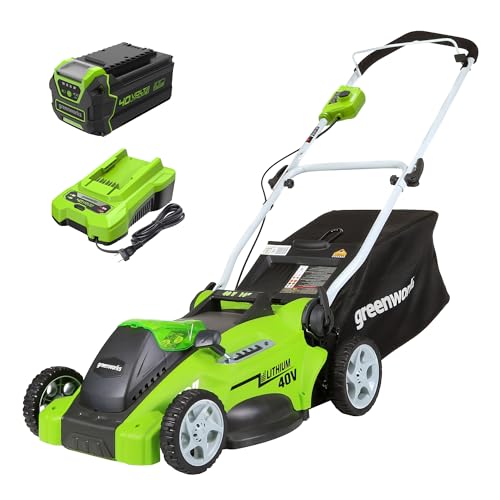
- Greenworks 40V 16in Push Lawn Mower, 4.0 Ah Battery and Charger | Quiet walk-behind mower with push-button start; gas-free operation eliminates fumes and pull starts
- Historical Overview of Lawn Mowers
- Key Innovations in Lawn Mower Technology
- Patents That Changed the Game
- Comparative Overview of Lawn Mower Types
- Final Thoughts on Lawn Mower Patents and Innovations
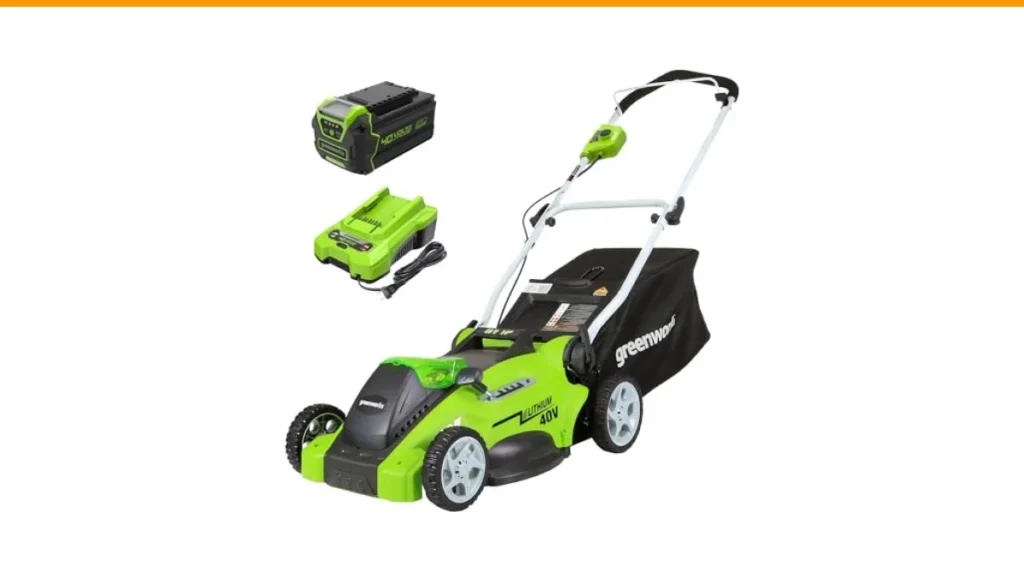
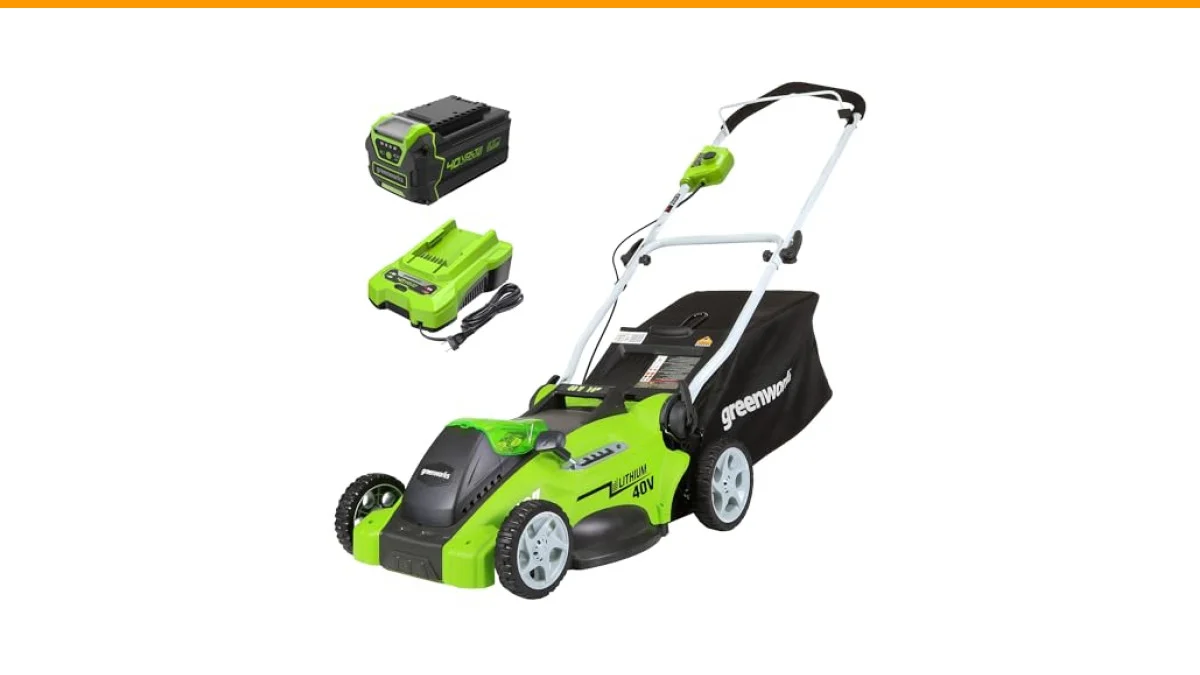
Greenworks 40V 16in Push Lawn Mower, 4.0 Ah Battery and Charger | Quiet walk-behind mower with push-button start; gas-free operation eliminates fumes and pull starts
- [16" LAWN MOWER] - This 40V lawn mower cuts up to 1/3 acre with fully charged 4.0Ah battery (varies based on grass condition and o…
- [ULTRA LIGHTWEIGHT] - 35% lighter than steel deck mowers
- [SINGLE LEVER HEIGHT ADJUST] - 5 position height adjustment
For those looking to simplify their mowing experience, the Greenworks 40V 16in Push Lawn Mower offers a lightweight design and efficient battery operation, making it a practical choice for homeowners. With a 4.0Ah battery, this mower can cut up to a third of an acre, which is perfect for medium-sized lawns.
Historical Overview of Lawn Mowers
The first lawn mower was invented in 1830 by Edwin Beard Budding, a British inventor. His design featured a reel mechanism that cut grass using a rotating blade. This invention revolutionized lawn care, allowing for more efficient and even cutting compared to manual tools like scythes. The patent for Budding’s mower laid the groundwork for future innovations.
In the decades that followed, various improvements emerged, including the introduction of gasoline-powered engines in the 20th century. This innovation shifted lawn care from manual labor to mechanized processes, significantly reducing the time and effort required to maintain lawns.
Key Innovations in Lawn Mower Technology
Several technological advancements have transformed lawn mowers. Here are some notable innovations:
- Electric Mowers: Electric mowers, like the Greenworks model mentioned earlier, have gained popularity for their low noise levels and reduced emissions compared to gas-powered mowers.
- Robotic Mowers: Robotic lawn mowers represent a significant leap in convenience, allowing for automated mowing schedules. These mowers navigate lawns using sensors and can recharge themselves when needed.
- Self-Propelled Technology: Self-propelled mowers ease the physical strain of mowing, allowing operators to walk behind the mower without pushing it.
- Smart Technology: Some modern mowers include smart features, such as GPS tracking and smartphone connectivity, enabling users to monitor mowing progress remotely.
Patents That Changed the Game
Various patents have played crucial roles in the advancement of lawn mower technology. Below are a few influential patents:
- US Patent 914,180: Granted in 1909, this patent introduced the rotary mower design, which became a standard in lawn care.
- US Patent 3,080,824: This 1963 patent covered the self-propelled mower mechanism, allowing for easier operation.
- US Patent 6,668,750: Awarded in 2026, this patent focuses on robotic mower technology, paving the way for fully automated lawn care solutions.
Comparative Overview of Lawn Mower Types
| Type | Power Source | Cutting Width | Weight | Best For |
|---|---|---|---|---|
| Push Mower | Manual | 14-22 inches | Lightweight | Small yards |
| Gas Mower | Gasoline | 20-30 inches | Heavy | Larger lawns |
| Electric Mower | Electric | 16-21 inches | Medium | Residential use |
| Robotic Mower | Battery | 16-20 inches | Lightweight | Automated mowing |
What are the benefits of electric lawn mowers?
Electric lawn mowers produce less noise and require less maintenance than gas mowers. They also eliminate the need for fuel, which can be a significant cost over time. Many electric models are lightweight and easier to maneuver, making them ideal for smaller yards.
How do robotic lawn mowers work?
Robotic mowers use sensors to navigate and map your lawn. They operate on a schedule set by the user and return to their charging station when their battery runs low. These mowers can handle various terrains and conditions, making them a convenient option for busy homeowners.
Are push mowers still relevant?
Push mowers are still popular for their simplicity and lightweight design. They require no fuel or electricity, making them eco-friendly. For small yards, they can be an excellent choice for maintaining grass without the hassle of larger machines.
What should I consider when buying a lawn mower?
Consider the size of your yard, the type of terrain, and whether you prefer manual or automated mowing. Battery life, cutting width, and ease of use are also crucial factors. Assessing your specific needs will help you choose the right mower.
How often should I mow my lawn?
Most lawns require mowing every 1-2 weeks during the growing season. Adjust your mowing frequency based on your grass type and climate. Keeping your grass at a healthy height promotes root growth and improves overall lawn health.
Final Thoughts on Lawn Mower Patents and Innovations
- Understand the history of lawn mowers, as it reveals how innovation has shaped modern designs.
- Consider electric and robotic mowers for convenience and environmental benefits.
- Review significant patents that have led to advancements in efficiency and technology.
- Evaluate your lawn size and terrain type before selecting a mower style.
- Stay updated on emerging technologies in lawn care for the best results.
For further reading on selecting the right equipment for your lawn care needs, check out our articles on choosing the best mower for small lawns and mower and weed eater combos.
Understanding lawn mower patents and innovations can enhance your mowing experience. With the right knowledge and tools, mowing can be less of a chore and more of a rewarding task.


