
The Evolution of Robotic Lawn Mower Technology
Contents
Imagine a weekend afternoon where instead of mowing the lawn, you can relax on your porch while a robot effortlessly trims your grass. Robotic lawn mowers are no longer a futuristic dream; they are a reality that many homeowners embrace today. But how did we get here? Understanding the history of robotic lawn mower technology reveals a journey filled with innovation, engineering challenges, and gradual acceptance in everyday life.
This article will take you through the key milestones in the development of robotic lawn mowers, the technological advancements that have shaped them, and the current state of the market. By the end, you’ll appreciate not just the convenience they offer, but also the engineering prowess behind these machines.

WORX
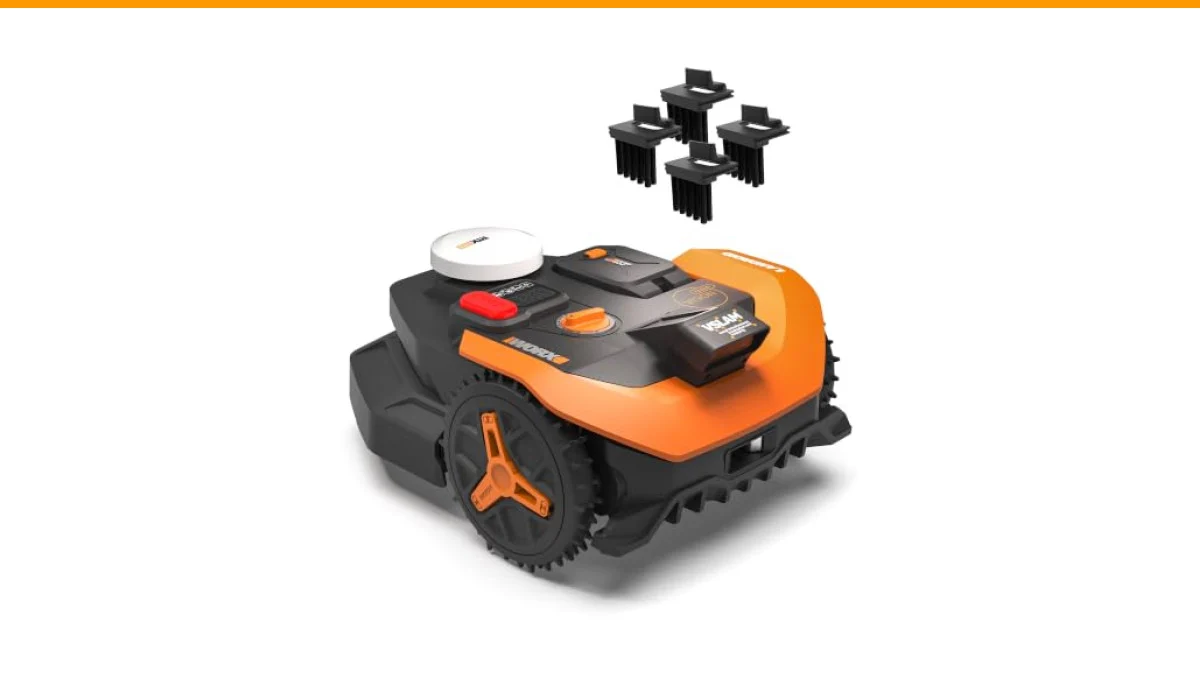
WORX Robot Lawn Mower for 1/4 Acre, Wire-Free with Brushes
- Centimeter-Level RTK Cloud Accuracy: Commercial-grade RTK Cloud technology delivers centimeter-level positioning for this robotic…
- Auto Mapping for More Complete Coverage: Vision AI helps the robot lawn mower understand lawn shapes and boundary types, then auto…
- AI Obstacle Avoidance with Neural Processing: Vision AI recognizes and understands common yard objects, using a trained neural net…
If you’re considering a robotic lawn mower, the WORX Robot Lawn Mower for 1/4 Acre is a compelling option. It features centimeter-level RTK cloud accuracy and auto-mapping capabilities, ensuring comprehensive coverage of your yard. With AI obstacle avoidance and app control, modern robotic mowers like this one are designed to make lawn care effortless.
The Early Days: Concept to Reality
The idea of a robotic lawn mower dates back to the early 1990s. The first working prototypes emerged around 1995, notably with the launch of the Robomow, which targeted residential lawns. Initial models were bulky, expensive, and often required human intervention to navigate obstacles.
These early devices often utilized simple boundary wires to define mowing areas. While the technology was groundbreaking for its time, the mowers had limited functionality and required regular maintenance. As a result, they struggled to gain popularity among homeowners.
Technological Advancements in the 2000s
The early 2000s marked a significant turning point for robotic lawn mowers. Manufacturers began to incorporate more advanced technologies, such as GPS navigation and improved sensors. These enhancements allowed for better mapping of lawns and the ability to navigate around obstacles more effectively.
One notable advancement was the introduction of robotic mower models with rain sensors. These sensors enabled the mowers to return to their charging stations when it started to rain, preventing damage to both the mower and the lawn. This feature greatly improved user confidence in robotic mowers.
The Rise of Smart Technology
The 2010s saw the rise of smart technology integration in robotic lawn mowers. Manufacturers began equipping mowers with smartphone connectivity. Users could now control their mowers remotely, schedule mowing sessions, and receive updates directly to their devices.
Moreover, advancements in AI technology allowed for enhanced navigation capabilities. Mowers could now learn the layout of a yard over time, optimizing mowing paths for efficiency. For instance, the WORX Robot Lawn Mower employs Vision AI, which helps it map out the lawn and avoid obstacles intelligently.
Current Trends in Robotic Lawn Mowers
Today, robotic lawn mowers are more sophisticated than ever. Many models now feature:
- RTK Cloud technology for centimeter-level accuracy.
- Auto mapping for complete yard coverage.
- Obstacle avoidance using neural networks.
- Remote control via smartphone apps.
The integration of these features has made robotic lawn mowers not only more efficient but also safer and easier to use. They are now suitable for a variety of lawn sizes and types, appealing to a broader range of consumers.
| Feature | Early Models | Modern Models |
|---|---|---|
| Navigation | Boundary wires | GPS and AI-assisted mapping |
| Control | Manual control | Smartphone apps |
| Obstacle Detection | Basic sensors | Advanced AI algorithms |
| Weather Resistance | No weather sensors | Rain sensors for automatic docking |
| Battery Life | Shorter runtime | Long-lasting batteries with quick recharge |
How do robotic lawn mowers navigate lawns?
Modern robotic lawn mowers use a combination of GPS, sensors, and advanced algorithms to navigate. They map the lawn and can adjust their path based on obstacles, ensuring comprehensive coverage without human intervention.
Are robotic lawn mowers safe for pets and children?
Yes, most robotic lawn mowers are designed with safety in mind. They include features like obstacle detection and automatic shut-off when lifted. However, supervision is still recommended, especially for younger children and pets.
What is the average lifespan of a robotic lawn mower?
The average lifespan of a robotic lawn mower can vary widely, but many models last between 5 to 10 years with proper maintenance. Regular blade sharpening and battery care can extend their life significantly.
Can robotic lawn mowers handle steep slopes?
Many modern robotic lawn mowers can handle slopes up to 35 degrees, but this varies by model. It’s essential to check the specifications of a specific mower to ensure it meets your lawn’s requirements.
Are robotic lawn mowers worth the investment?
Robotic lawn mowers can save time and effort in lawn maintenance. While the initial investment may be higher than traditional mowers, the convenience and time savings can make them worthwhile for many homeowners.
Final Insights on Robotic Lawn Mowers
- The history of robotic lawn mowers spans over three decades of innovation.
- Modern features include advanced AI for navigation and smart connectivity.
- Safety features make them suitable for homes with children and pets.
- Maintenance is crucial for longevity; regular care extends mower life.
- Prices can vary widely; consider features that meet your specific needs.
- Research models to find the best fit for your lawn size and layout.
- Robotic lawn mowers are a practical solution for busy homeowners seeking convenience.