

For many homeowners and landscape professionals, mowing the lawn is a routine task. However, behind this seemingly simple chore lies a complex web of industry standards and regulations designed to ensure safety, performance, and environmental responsibility. Understanding these regulations is crucial for manufacturers, retailers, and consumers alike. This article will provide insights into the key standards that govern the lawn mower industry, the implications for safety and environmental impact, and how these regulations affect the choices available to consumers.
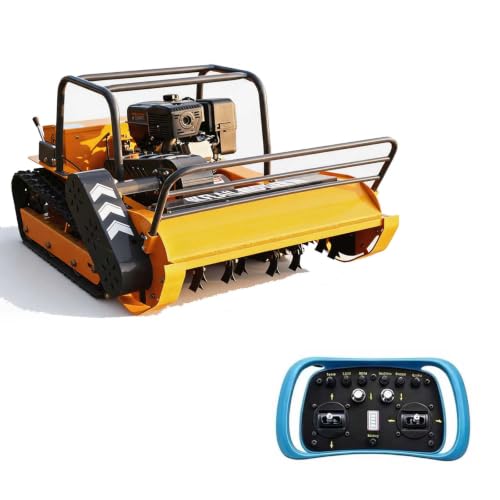
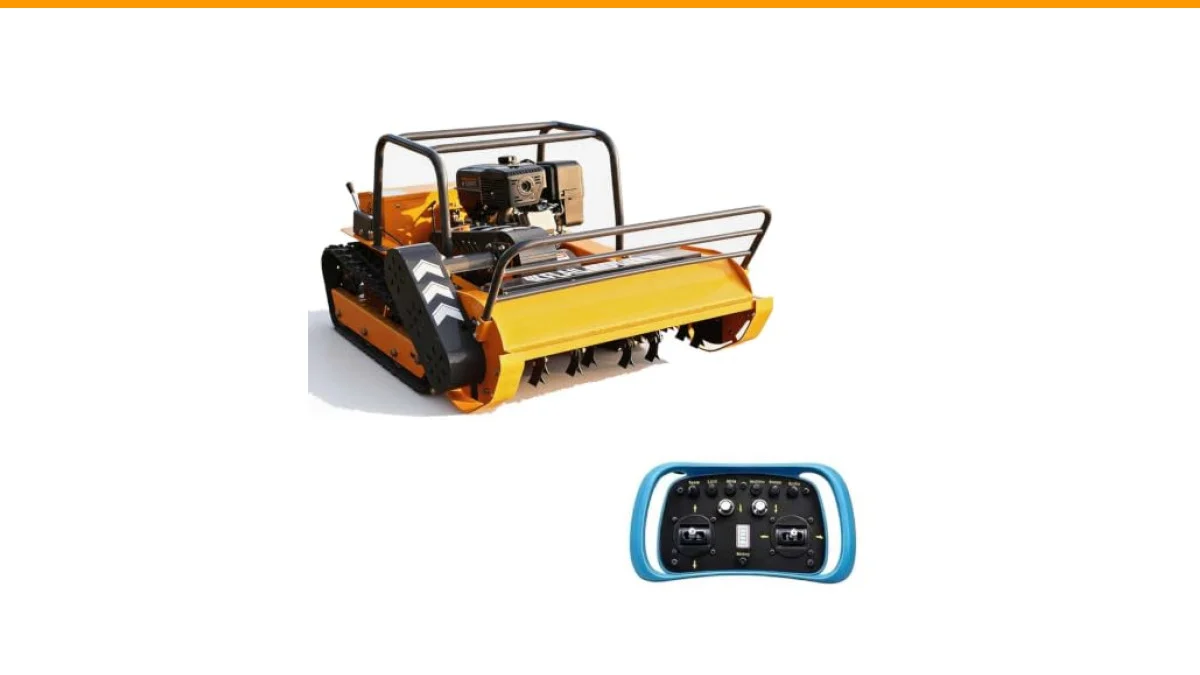
As lawn care technology evolves, so do the standards that govern it. For instance, the Tyzar 459cc Remote Control Flail Mower exemplifies modern advancements in lawn care. Equipped with a powerful engine and safety features, this mower meets stringent industry standards, making it a reliable choice for challenging terrains. Its remote control functionality allows for safe operation from a distance, demonstrating how innovation aligns with regulatory compliance.
Tyzar
In this article
Tyzar 459cc Remote Control Flail Mower - Hybrid Commercial Crawler for Steep 55° Slopes,High-Power Mulching Brush, Zero Turn Lawn Mower | Ideal for Tall Shrubs (Yellow, Mower)
- 【High-Power Flail Cutting】 Equipped with a 459cc commercial engine and reinforced flail head, this remote control lawn mower shred…
- 【Remote Controlled Maneuverability】 Operate safely from 2000ft with the industrial-grade remote. The zero turn mower feature and h…
- 【Hybrid Drive Efficiency】 The Smart System syncs the gas engine (cutting) and electric drive (tracks), delivering fuel savings up…
Key Industry Standards
The lawn mower industry is governed by a variety of standards set by organizations such as the American National Standards Institute (ANSI) and the Occupational Safety and Health Administration (OSHA). These standards cover everything from performance metrics to safety features.
- ANSI B71.1: This standard outlines the safety requirements for walk-behind and riding lawn mowers, focusing on operator protection and machine design.
- 16 CFR Part 1205: Established by the Consumer Product Safety Commission, this regulation sets safety standards for walk-behind mowers, ensuring they are safe for consumer use.
- OSHA Regulations: OSHA’s regulations for landscaping and horticultural services emphasize safe working environments, particularly when using equipment like lawn mowers.
Environmental Regulations
The Environmental Protection Agency (EPA) also plays a significant role in regulating emissions from lawn mowers. The EPA’s Tier 3 and Tier 4 regulations require manufacturers to reduce harmful emissions from small engines, which is particularly relevant for gas-powered mowers.
As a result of these regulations, manufacturers are increasingly investing in technology that minimizes emissions. For example, the hybrid drive system in the Tyzar mower not only improves fuel efficiency but also reduces environmental impact, aligning with EPA standards.
Safety Features and Compliance
Safety is paramount in the lawn mower industry, and various features are mandated to protect operators and bystanders. Key safety features include:
- Blade Brake Systems: These systems stop the blades within seconds and are essential for preventing accidents.
- Operator Presence Control: Mowers are designed to shut off if the operator leaves the seat, reducing the risk of injury.
- Protective Guards: Shields prevent debris from being ejected during operation, protecting nearby individuals.
Compliance with these safety features not only fulfills legal obligations but also instills consumer confidence. Products like the Tyzar mower come equipped with a critical safety stop, offering additional assurance for users working on steep inclines.
Market Implications
Understanding lawn mower industry standards and regulations can significantly impact purchasing decisions. Consumers are increasingly educated about safety features and environmental impact, leading them to prefer products that align with their values.
As a result, companies that prioritize compliance and safety often find a competitive edge in the market. This shift is evident in the growing popularity of electric and hybrid mowers, which typically meet stricter emission standards.
| Feature | Gas-Powered Mowers | Electric Mowers | Hybrid Mowers |
|---|---|---|---|
| Emissions | Higher emissions; must meet EPA standards | Zero emissions during operation | Reduced emissions; combines gas and electric |
| Power | Consistent power for tough jobs | Less power for heavy-duty tasks | Combines best of both worlds |
| Maintenance | Requires more upkeep | Less maintenance required | Moderate maintenance; depends on engine type |
| Cost | Generally lower upfront cost | Higher upfront cost but lower operating costs | Varied cost; depends on technology |
What are the key safety features in lawn mowers?
Key safety features include blade brake systems, operator presence controls, and protective guards. These features are critical for preventing accidents and ensuring safe operation.
How do environmental regulations affect lawn mower design?
Environmental regulations, such as those from the EPA, require manufacturers to reduce emissions from lawn mowers. This has led to an increase in the production of electric and hybrid models, which have lower environmental impacts.
What is ANSI B71.1?
ANSI B71.1 is a safety standard that outlines the requirements for walk-behind and riding lawn mowers, focusing on operator safety and machine design to minimize risks.
How can consumers ensure they are buying compliant mowers?
Consumers can look for labels and certifications indicating compliance with industry standards. Reviewing product specifications and researching manufacturer practices can also provide insights into compliance.
What are the implications of not complying with industry standards?
Non-compliance can lead to safety hazards, legal repercussions, and potential recalls. It can also damage a brand’s reputation and customer trust.
Final Insights
- Familiarize yourself with ANSI and OSHA standards for lawn mowers.
- Understand the environmental regulations impacting lawn mower emissions.
- Prioritize safety features when selecting a mower.
- Consider the market trends toward electric and hybrid mowers.
- Research the manufacturer’s compliance with industry standards.
- Evaluate the cost versus benefit of various mower types.
- Stay informed about any changes in regulations that may affect your equipment.


