Understanding Lawn Mower Noise Pollution Levels
Contents
Imagine it’s a sunny Saturday morning. You’re enjoying your coffee on the porch when suddenly, the neighbor cranks up their lawn mower. The noise interrupts your peaceful moment, and you wonder how long it will last. This scenario isn’t just annoying; it raises questions about lawn mower noise pollution levels and their broader impact on communities.
Many homeowners don’t realize the extent of noise pollution caused by lawn mowers. Understanding these levels can help you make more informed choices, whether you’re considering a new mower or simply trying to enjoy your outdoor space. In this article, you will learn about the decibel levels of different types of lawn mowers, how noise pollution affects health, and what quieter alternatives are available.
Greenworks
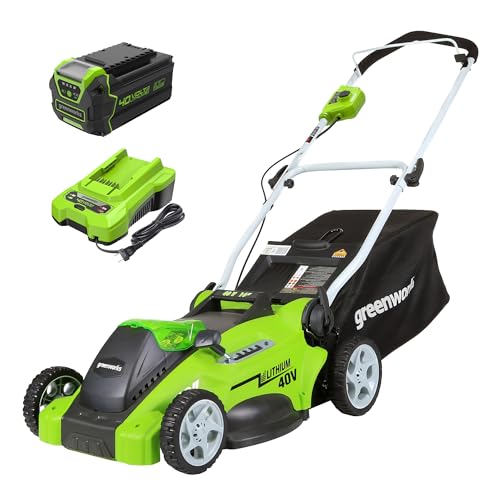
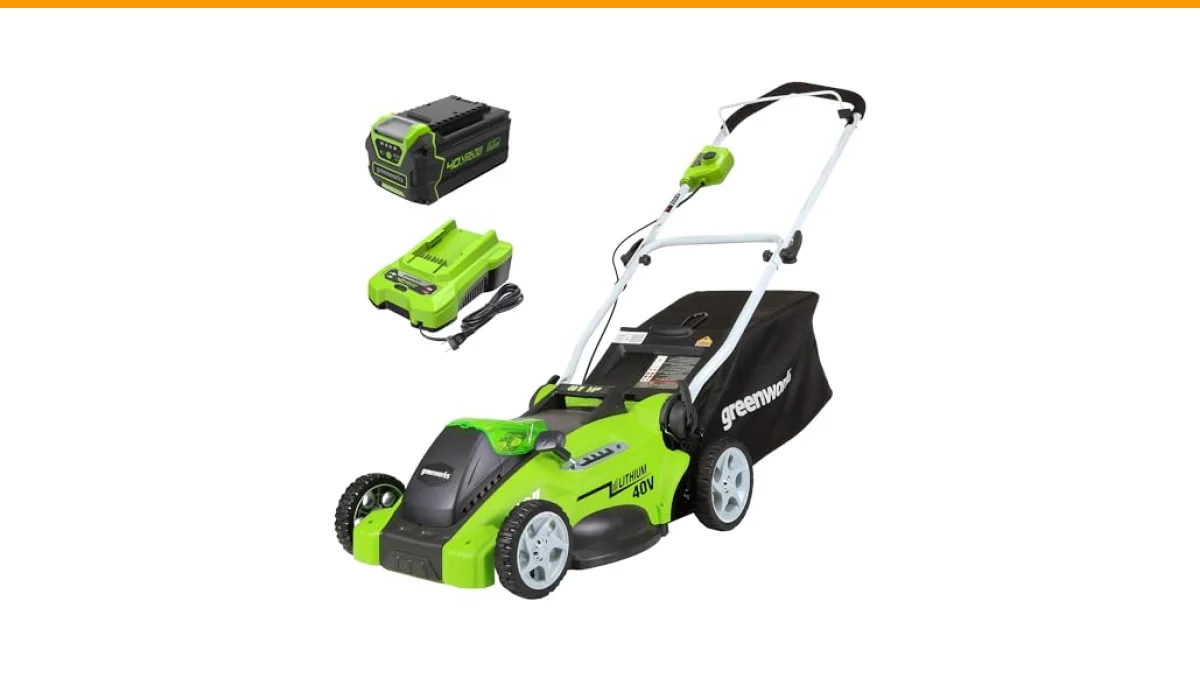
Greenworks 40V 16in Push Lawn Mower, 4.0 Ah Battery and Charger
- [16" LAWN MOWER] - This 40V lawn mower cuts up to 1/3 acre with fully charged 4.0Ah battery (varies based on grass condition and o…
- [ULTRA LIGHTWEIGHT] - 35% lighter than steel deck mowers
- [SINGLE LEVER HEIGHT ADJUST] - 5 position height adjustment
One such option is the Greenworks 40V 16in Push Lawn Mower. This mower is not only lightweight and efficient but also operates at lower noise levels compared to traditional gas-powered mowers, making it a suitable choice for those who want to minimize noise pollution while maintaining a beautiful lawn.
Understanding Decibel Levels
Noise is measured in decibels (dB). To put things in perspective, a whisper is around 30 dB, normal conversation hovers around 60 dB, and a lawn mower typically ranges from 85 to 95 dB. The impact of this noise level can vary based on proximity and duration of exposure.
Here’s a breakdown of common lawn mower types and their average noise levels:
| Lawn Mower Type | Noise Level (dB) |
|---|---|
| Gas-Powered Mower | 85-95 dB |
| Electric Mower | 75-90 dB |
| Battery-Powered Mower | 65-85 dB |
| Robotic Mower | 60-75 dB |
The Impact of Lawn Mower Noise Pollution
Loud sounds can lead to various health issues, including stress, sleep disturbances, and hearing loss. Prolonged exposure to noise levels above 85 dB can damage hearing over time. For communities, excessive lawn mower noise can disrupt local wildlife and reduce the overall quality of life.
Consider your surroundings when mowing. If you live in a densely populated area, choosing a quieter mower can enhance your relationship with neighbors and contribute to a more peaceful environment.
Choosing Quieter Lawn Mowers
When selecting a lawn mower, consider noise levels alongside performance. Battery-powered and robotic mowers tend to operate at lower decibels than gas-powered models. These options not only reduce noise pollution but also offer the convenience of less maintenance and no harmful emissions.
Here are some tips for choosing a quieter mower:
- Look for models that specify their noise levels in the product description.
- Consider battery-powered options, like the Greenworks 40V Push Mower, which operates quietly while effectively managing your lawn.
- Read reviews to see how other users perceive noise levels in real-world conditions.
- Check local noise ordinances to ensure compliance and avoid fines.
Frequently Asked Questions
1. What are the common noise levels for lawn mowers?
Common noise levels for lawn mowers vary significantly. Gas-powered mowers usually range from 85 to 95 dB, electric mowers are around 75 to 90 dB, while battery-powered mowers can be as low as 65 dB.
2. How does lawn mower noise affect health?
Exposure to loud lawn mower noise can result in stress, sleep disturbances, and even hearing loss over time. The higher the noise level, the greater the risk of these health issues.
3. Are there regulations for lawn mower noise pollution?
Many municipalities have noise ordinances that regulate acceptable noise levels during certain hours. It’s advisable to check local laws to stay compliant.
4. What features should I look for in a quiet lawn mower?
Look for features like battery power, low decibel ratings, and user reviews that specifically mention noise levels. These factors can guide you toward a quieter option.
5. Can electric mowers perform as well as gas mowers?
Yes, many electric mowers, especially battery-operated ones, perform comparably to gas mowers. They are often lighter, easier to maneuver, and produce less noise, making them a great alternative.
Take Action for a Quieter Lawn Care Experience
- Evaluate the noise levels of your current lawn mower.
- Consider switching to a quieter model, like a battery-powered mower.
- Plan your mowing schedule to minimize disruption during early mornings or late evenings.
- Engage with neighbors about noise concerns and possible solutions.
- Stay informed about local noise regulations to ensure compliance.
- Explore quieter lawn care options, including robotic mowers.
- Regularly maintain your mower to ensure optimal performance and reduced noise.
By understanding lawn mower noise pollution levels and making informed choices, you can contribute to a more peaceful environment while keeping your lawn well-maintained. A mower like the Greenworks 40V 16in Push Lawn Mower exemplifies how technology can aid in achieving both efficiency and reduced noise.