Understanding Lawn Mower Noise Pollution Levels
Contents
Many people have experienced the frustration of trying to enjoy a peaceful afternoon, only to be interrupted by the loud roar of a lawn mower. It’s a common scenario: you’re relaxing on your porch, and suddenly, the tranquility is shattered by the relentless noise of grass cutting. This raises an important question—how does lawn mower noise pollution impact our environment and daily lives?
This article will provide a comprehensive overview of lawn mower noise pollution levels, the factors contributing to these noise levels, and some practical solutions for minimizing the impact of this common household activity. By the end, you’ll have a clearer understanding of how to manage lawn mower noise in your neighborhood.
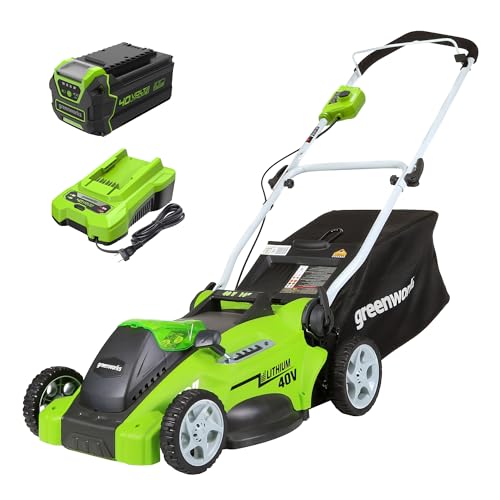
Greenworks
Greenworks 40V 16in Push Lawn Mower, 4.0 Ah Battery and Charger
- [16" LAWN MOWER] - This 40V lawn mower cuts up to 1/3 acre with fully charged 4.0Ah battery (varies based on grass condition and o…
- [ULTRA LIGHTWEIGHT] - 35% lighter than steel deck mowers
- [SINGLE LEVER HEIGHT ADJUST] - 5 position height adjustment
For those seeking a quieter mowing experience, consider the Greenworks 40V 16in Push Lawn Mower. With its lightweight design and battery operation, this mower significantly reduces noise pollution compared to traditional gas-powered models.
Understanding Noise Pollution Levels
Noise pollution is typically measured in decibels (dB), a logarithmic scale that quantifies sound intensity. For context:
- Whispers: 30 dB
- Normal conversation: 60 dB
- Lawn mower: 90-100 dB
Most lawn mowers, particularly gasoline-powered ones, operate in the 90-100 dB range. Prolonged exposure to noise levels above 85 dB can lead to hearing loss and other health issues. Understanding these levels is essential for assessing how lawn mower noise pollution affects our well-being.
Besides health concerns, excessive noise can disrupt wildlife, disturb neighbors, and affect quality of life. The World Health Organization recommends that outdoor noise levels for residential areas should not exceed 55 dB during the day and 45 dB at night.
Factors Influencing Lawn Mower Noise
Several factors contribute to the noise levels produced by lawn mowers:
- Type of mower: Gas-powered mowers tend to be louder than electric or battery-operated models. For instance, electric mowers can operate between 75-85 dB, significantly quieter than their gas counterparts.
- Engine size: Larger engines generally produce more noise. A mower with a 150cc engine will be louder than one with a 100cc engine.
- Condition of the mower: Poor maintenance can lead to increased noise. A dull blade or a malfunctioning engine may produce additional sound.
- Terrain: Mowing on uneven or hilly surfaces can increase noise levels due to the additional strain on the mower’s engine.
- Time of use: Mowing during quiet hours, such as early morning or late evening, can be more disruptive due to lower ambient noise levels.
Understanding these factors can help you make informed decisions regarding your lawn care practices.
Common Misconceptions about Lawn Mower Noise
Myth: All Lawn Mowers Are Equally Loud
This is a misconception. As mentioned, gas-powered mowers are typically louder than electric ones. Battery-powered models like the Greenworks mower operate at a lower noise level, making them more suitable for residential areas.
Myth: Noise Pollution Only Affects Humans
Another misconception is that noise pollution solely impacts human health. In reality, it can disturb wildlife, alter animal behavior, and affect ecosystems. Birds and small mammals may be driven away from their habitats due to excessive noise.
Comparing Noise Levels of Common Lawn Mowers
| Type of Mower | Noise Level (dB) | Typical Use |
|---|---|---|
| Gas-powered | 90-100 dB | Large lawns, heavy-duty tasks |
| Electric | 75-85 dB | Medium-sized lawns, residential use |
| Battery-operated | 60-75 dB | Small lawns, eco-friendly options |
Frequently Asked Questions
What is the quietest lawn mower available?
Battery-operated mowers, like the Greenworks model mentioned earlier, are among the quietest options on the market, operating at 60-75 dB.
How can I reduce lawn mower noise?
Consider using electric or battery-powered mowers, maintain your equipment regularly, and mow during appropriate hours to minimize disturbance.
Does noise pollution from lawn mowers have health effects?
Yes, prolonged exposure to noise levels above 85 dB can lead to hearing loss, stress, and other health issues.
Can I mow my lawn at night to avoid noise complaints?
Mowing at night may disturb neighbors due to the lack of ambient noise. It’s best to mow during the day to avoid complaints.
Are there local regulations regarding lawn mower noise?
Many municipalities have noise ordinances that limit when and how loud lawn care equipment can be used. Check your local regulations for specifics.
Final Thoughts on Managing Lawn Mower Noise
- Choose quieter mowers, like battery-operated models, for residential use.
- Maintain your equipment to minimize noise from wear and tear.
- Be mindful of when you mow; avoid early mornings and late evenings.
- Understand local noise regulations to prevent potential fines.
- Educate your neighbors about the importance of noise management.
- Consider alternative lawn care methods, such as hiring a service or using a robot mower.
- Stay informed about advancements in lawn care technology for quieter options.