The History of Lawn Mowers and Their Evolution
Contents
Most homeowners can relate to the task of mowing the lawn. It’s a routine chore that, while essential for maintaining aesthetics, often feels mundane. Yet, beneath the surface of this simple task lies a rich history filled with innovation and evolution. Understanding how lawn mowers have developed over the years can provide insight into their significance in landscaping and gardening practices today.
This article will take you through the intriguing timeline of lawn mowers, from their rudimentary beginnings to the sophisticated machines available now. You’ll learn about the key milestones in their evolution, the various types of mowers, and how advancements have made lawn care easier and more efficient.
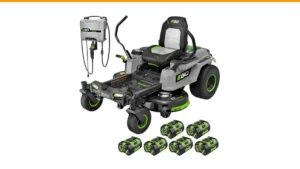
If you’re considering upgrading your mowing equipment, exploring riding lawn mowers can provide significant improvements in efficiency and comfort.
Early Beginnings of Lawn Mowers
The journey of the lawn mower began in the early 19th century. In 1830, Edwin Beard Budding invented the first mechanical lawn mower in England. His design featured a reel-type blade system, which cut grass as the mower was pushed forward. This invention transformed lawn care, making it feasible for the average homeowner to maintain their garden without the labor-intensive methods used previously, such as scythes.
Initially, Budding’s mower was primarily used in large estates and parks. Its design included a simple cylinder and a set of blades that rotated as the mower was pushed. The practicality of this device led to its adoption by golf courses and sports fields, where maintaining a level lawn was essential.
The Rise of Gas-Powered Models
The introduction of the gasoline engine in the early 20th century marked a significant shift in the history of lawn mowers. By the 1920s, gas-powered mowers became available, providing homeowners with a more efficient and less labor-intensive option. These machines could handle larger areas of grass much faster than their manual predecessors.
Models like the first rotary mower, designed by American engineer John F. B. Stoll in 1921, allowed for a different cutting action that became widely popular. The rotary blade design, which spins horizontally, offered a cleaner cut and could tackle various types of grass more effectively than the older reel models.
The Evolution of Electric Mowers
As technology progressed, electric mowers emerged in the 1960s. These models were quieter, easier to start, and required less maintenance than their gas counterparts. Initially, electric mowers struggled with power limitations, often needing to be plugged in for operation. However, advancements in battery technology have led to the development of cordless electric mowers, making them more convenient for homeowners.
Today’s electric mowers can compete with gas models in terms of performance. They produce less noise and zero emissions, appealing to environmentally-conscious consumers. Many models now feature self-propulsion systems, adjustable cutting heights, and mulching capabilities.
Comparison of Lawn Mower Types
| Type | Power Source | Best For | Pros | Cons |
|---|---|---|---|---|
| Reel Mowers | Manual | Small lawns | Quiet, eco-friendly | Labor-intensive |
| Gas-Powered Mowers | Gasoline | Larger lawns | Powerful, efficient | Noise, emissions |
| Electric Mowers | Electric | Medium lawns | Quiet, easy maintenance | Limited run time (corded) |
| Robot Mowers | Battery | All lawns | Automated mowing | Higher cost, tech issues |
1. How did lawn mowers change landscaping practices?
Lawn mowers revolutionized landscaping by making it easier to maintain lawn aesthetics. Before mechanical mowers, maintaining a lawn required significant manual labor. Now, homeowners can achieve a neat lawn with minimal effort.
2. When did electric mowers become popular?
Electric mowers gained traction in the 1960s as people began seeking quieter, more environmentally-friendly lawn care options. Their popularity has surged in recent years with advancements in battery technology.
3. What are the advantages of using a reel mower?
Reel mowers are eco-friendly, quiet, and provide a clean cut. They’re ideal for small lawns and are easier to maintain than gas-powered models. However, they can be labor-intensive and require more physical effort.
4. Are robotic mowers worth the investment?
Robot mowers offer convenience and can save time. They autonomously mow the lawn, allowing for a hands-off approach. The initial cost might be high, but they can be worthwhile for busy homeowners who prefer automation.
5. What is the future of lawn mowers?
The future likely includes more eco-friendly options, such as solar-powered mowers, and increased automation. Smart technology integration may also allow for remote control and customized mowing schedules.
Takeaways for Lawn Care Enthusiasts
- Understand the type of lawn you have to choose the right mower.
- Consider electric mowers for eco-friendly options.
- Look into robotic mowers for automated lawn care.
- Explore riding mowers for large properties to save time.
- Research maintenance needs for each mower type to ensure longevity.
- Stay updated on advancements in lawn care technology.
- Check out options for walk-behind mowers designed for challenging terrains.