
Understanding Lawn Mower Emission Regulations by State: A Comprehensive Guide
Contents
Imagine it’s a sunny Saturday morning. You step outside, ready to tackle your overgrown lawn. But wait—have you ever considered how your lawn mower might be affecting the air quality? With increasing awareness around environmental impact, many states have implemented stringent emission regulations for lawn mowers. These regulations vary significantly across the country, influencing not just the type of mower you might choose, but also how you maintain your lawn.
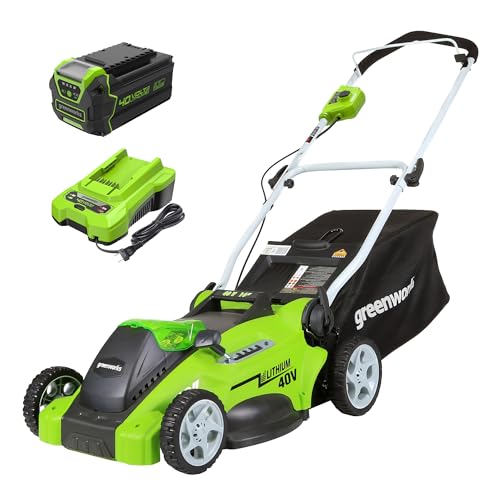
This article will provide a deep dive into lawn mower emission regulations by state. You’ll walk away with a clear understanding of what to expect in your area, how to comply with local laws, and why choosing an eco-friendly mower, like the Greenworks 40V 16in Push Lawn Mower, can be beneficial not just for your lawn but also for the environment.
Greenworks
Greenworks 40V 16in Push Lawn Mower, 4.0 Ah Battery and Charger | Quiet walk-behind mower with push-button start; gas-free operation eliminates fumes and pull starts
- [16" LAWN MOWER] - This 40V lawn mower cuts up to 1/3 acre with fully charged 4.0Ah battery (varies based on grass condition and o…
- [ULTRA LIGHTWEIGHT] - 35% lighter than steel deck mowers
- [SINGLE LEVER HEIGHT ADJUST] - 5 position height adjustment
The Greenworks mower is lightweight, easy to handle, and equipped with a 40V battery that cuts up to 1/3 of an acre on a single charge. Its 2-in-1 system allows for mulching or rear bagging, which can help you manage your lawn waste sustainably. Plus, it comes with a three-year warranty, ensuring you have a reliable tool for your mowing needs.

Understanding Emission Regulations
Emission regulations for lawn mowers focus on limiting pollutants that gas-powered mowers release into the atmosphere. The EPA sets national standards, but individual states can impose stricter regulations. For example, California leads the way with some of the toughest rules, requiring zero-emission equipment in many areas.
Most regulations categorize mowers by their engine size and type. Smaller engines (typically those under 50cc) might face less stringent requirements than larger engines. However, all gas-powered mowers are under scrutiny as states aim to reduce smog and improve air quality.
State-by-State Regulations Overview
States across the U.S. have taken different approaches to lawn mower emissions. Here’s a brief overview:
| State | Emission Standards | Type of Mowers Regulated |
|---|---|---|
| California | Very strict; zero-emission required in many areas | All gas-powered mowers |
| New York | Moderate; plans for stricter regulations in the future | Gas-powered mowers above 25cc |
| Texas | Minimal; focuses on voluntary compliance | Gas-powered mowers above 50cc |
| Florida | Minimal; no specific regulations | None |
| Illinois | Moderate; some air quality improvement plans | Gas-powered mowers over 50cc |
As you can see, regulations range from very strict in California to minimal in states like Florida. This variability can impact your choice of lawn mower significantly.
Why Compliance Matters
Staying compliant with local emission regulations isn’t just about avoiding fines. It’s about contributing to a healthier environment. Gas-powered mowers can emit pollutants equivalent to driving a car for many miles, so choosing low-emission or electric options can drastically reduce your carbon footprint.
Additionally, many states offer incentives for using electric mowers, such as rebates or tax credits. This can make transitioning to a cleaner mower more affordable.
Choosing the Right Lawn Mower
With various regulations in effect, you might wonder which lawn mower best suits your needs. Here are a few factors to consider:
- Battery vs. Gas: Battery-powered mowers generally produce no emissions and are quieter, making them ideal for residential areas.
- Size of Lawn: If you have a larger lawn, consider mowers with extended battery life or gas mowers that comply with local regulations.
- Weight and Maneuverability: Lightweight models, like the Greenworks 40V mower, are easier to handle and navigate around landscaping.
By understanding these factors, you can choose a mower that meets your needs while adhering to emission regulations.
Common Questions
What are the emission regulations for lawn mowers in my state?
Each state has different regulations. Check your state’s environmental protection agency website for specific rules regarding lawn mower emissions.
How can I find out if my mower is compliant?
Review the manufacturer’s specifications and compare them with your state’s regulations. If you’re unsure, consult local authorities.
Are electric mowers better for the environment?
Yes, electric mowers produce no emissions during operation, contributing to better air quality compared to gas mowers.
Where can I find incentives for purchasing electric mowers?
Local utility companies and state environmental agencies often offer rebates for electric mower purchases. Check their websites for details.
Can I modify my gas mower to reduce emissions?
While some modifications can help, it’s often best to purchase a mower designed to meet emission standards. Modifications might not be legal in your state.
Final Thoughts on Lawn Mower Emission Regulations
- Research your state’s emission regulations to ensure compliance.
- Consider electric mowers for a cleaner, quieter option.
- Look into local incentives for switching to eco-friendly equipment.
- Review your mower’s specifications to understand its environmental impact.
- Stay informed about potential changes in regulations to adapt your equipment accordingly.
Choosing a lawn mower isn’t just about efficiency and performance anymore. With regulations tightening, being informed helps you make decisions that benefit both your lawn and the environment.