
On a hot summer day, the sun beats down mercilessly, leaving your lawn looking parched and brown. Many homeowners hesitate to mow dry grass, fearing it might damage their equipment or ruin their lawn’s health. However, with the right approach, mowing dry grass can be done effectively, ensuring your yard remains well-maintained while adapting to the challenges of dry conditions.
This article will guide you through essential techniques for mowing dry grass, including timing, equipment considerations, and best practices to keep in mind. Whether you’re dealing with a drought or simply a particularly hot season, you’ll walk away with the knowledge needed to tackle this lawn care task confidently.
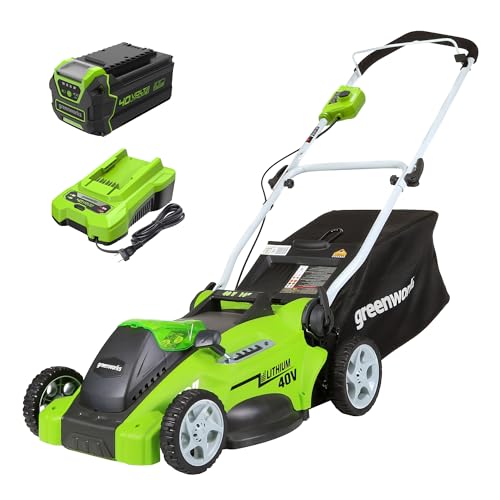
Greenworks
Greenworks 40V 16in Push Lawn Mower, 4.0 Ah Battery and Charger | Quiet walk-behind mower with push-button start; gas-free operation eliminates fumes and pull starts
- [16" LAWN MOWER] - This 40V lawn mower cuts up to 1/3 acre with fully charged 4.0Ah battery (varies based on grass condition and o…
- [ULTRA LIGHTWEIGHT] - 35% lighter than steel deck mowers
- [SINGLE LEVER HEIGHT ADJUST] - 5 position height adjustment
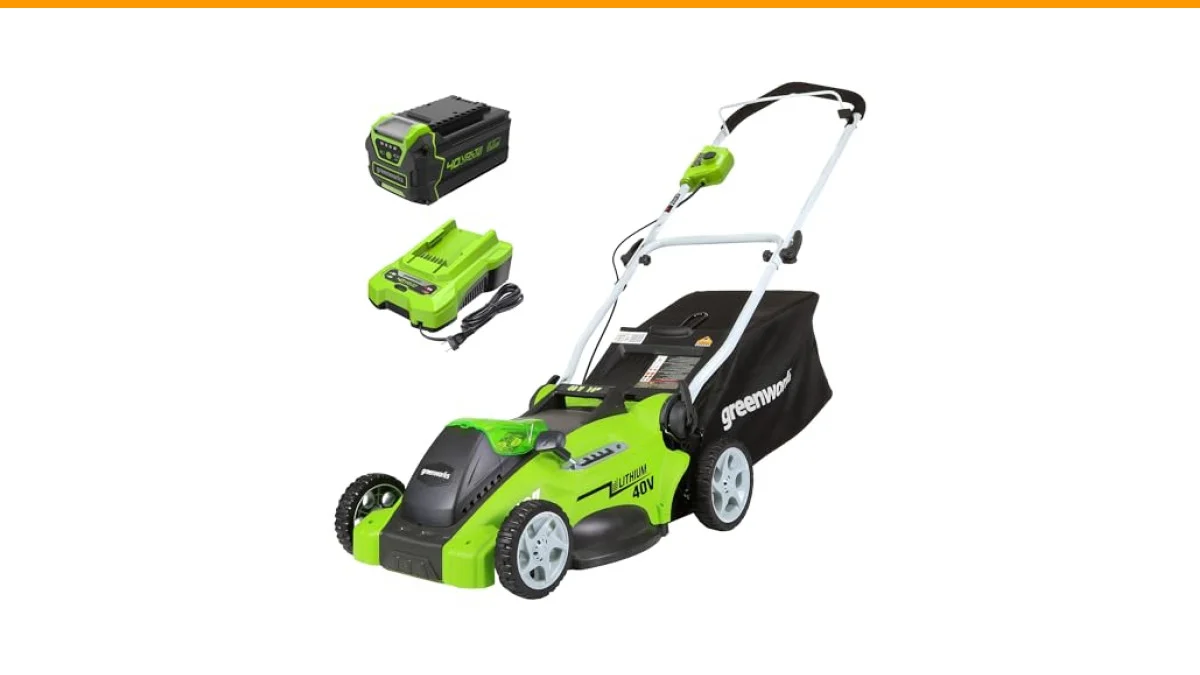
For those looking for a reliable mower to handle dry grass, consider the Greenworks 40V 16in Push Lawn Mower. This lightweight mower is ideal for maneuvering around your yard and comes equipped with features like a single-lever height adjustment and a 2-in-1 system for mulching or bagging, making it a practical choice for maintaining dry grass effectively.
Understanding When to Mow Dry Grass
Mowing dry grass isn’t just about convenience; timing plays a critical role. Mowing when the grass is too dry can lead to uneven cuts and stress on your lawn. Ideally, wait until the grass is only slightly dry, typically in the late afternoon when the sun is less harsh. This timing allows the grass to recover better from the stress of cutting.
Consider these factors when deciding when to mow:
- Humidity levels: Mow when humidity is low to avoid moisture on the blades, which can clump and clog your mower.
- Grass height: Aim for a height of about 3 inches; cutting too short can stress the grass.
- Weather patterns: Mow before any expected rain to avoid muddy conditions, which can lead to poor cuts.
Choosing the Right Equipment for Dry Grass
The right mower can make a significant difference in how effectively you can mow dry grass. Here are a few things to consider:
- Blade sharpness: Ensure your mower blades are sharp. Dull blades can tear grass, leading to a brown appearance.
- Cutting height: Set your mower to a higher cutting height. This is particularly important for dry grass, as it helps retain moisture and encourages deeper root growth.
- Mower type: Electric mowers, like the Greenworks model mentioned earlier, are often lighter and easier to manage, making them ideal for dry conditions.
Best Practices for Mowing Dry Grass
Adhering to specific practices can help maintain your lawn’s health while mowing dry grass:
- Mow in the evening: Early evening is often the best time, as the grass has had time to recover from the heat of the day.
- Change your mowing pattern: Alter your mowing pattern each time to avoid creating ruts and compacting the soil.
- Be mindful of speed: Slow down your mowing speed. This allows for a cleaner cut and reduces wear on the mower.
- Don’t mow wet grass: Avoid mowing if there’s any moisture on the blades, as this can lead to clumping.
Comparison of Mowing Methods
| Method | Pros | Cons |
|---|---|---|
| Standard Mowing | Quick and efficient; good for regular maintenance | Can stress grass if overly dry |
| Mulching | Returns nutrients to the soil; reduces waste | May not be effective with extremely dry grass |
| Bagging | Removes clippings; cleaner appearance | Requires disposal of clippings; more effort |
Does mowing dry grass damage it?
Mowing dry grass can stress it, but if done correctly—like adjusting the mower height and using sharp blades—it can be managed to minimize damage.
What’s the best height to mow dry grass?
For dry grass, a height of 3 to 4 inches is recommended. This helps retain moisture and encourages healthy growth.
How often should I mow during dry conditions?
Adjust your mowing schedule based on the grass’s growth. During dry spells, this might mean mowing less frequently—every 2-3 weeks instead of weekly.
Can I use a regular mower for dry grass?
Yes, but ensure it’s well-maintained, with sharp blades and proper height settings. An electric mower, like the Greenworks model, can be especially effective.
What should I do if my mower struggles with dry grass?
If your mower struggles, check the blade sharpness and height settings. You may need to slow down or adjust the cutting height to prevent clogging.
Final Tips for Mowing Dry Grass
- Wait for the right time—early evening is best.
- Keep mower blades sharp for clean cuts.
- Use a higher cutting height to minimize stress.
- Vary your mowing pattern to prevent soil compaction.
- Be mindful of weather conditions before mowing.
- Regular maintenance of your mower ensures optimal performance.
- Consider using mulching or bagging methods based on lawn needs.


