Gardeners often face the frustrating challenge of squash bugs infiltrating their beloved squash plants. These pests can wreak havoc, leaving devastating damage in their wake. If you’re one of the many who have dealt with the heartbreak of finding your squash plants wilting or yellowing due to these bugs, you’re not alone. Fortunately, there are effective organic methods to manage these pests, allowing you to protect your garden and enjoy a healthy harvest.
This article will guide you through practical, proven strategies to stop squash bugs organically. You’ll learn about prevention methods, natural deterrents, and control measures. By the time you finish reading, you’ll have a solid plan to safeguard your plants against these troublesome pests.
Mighty Mint
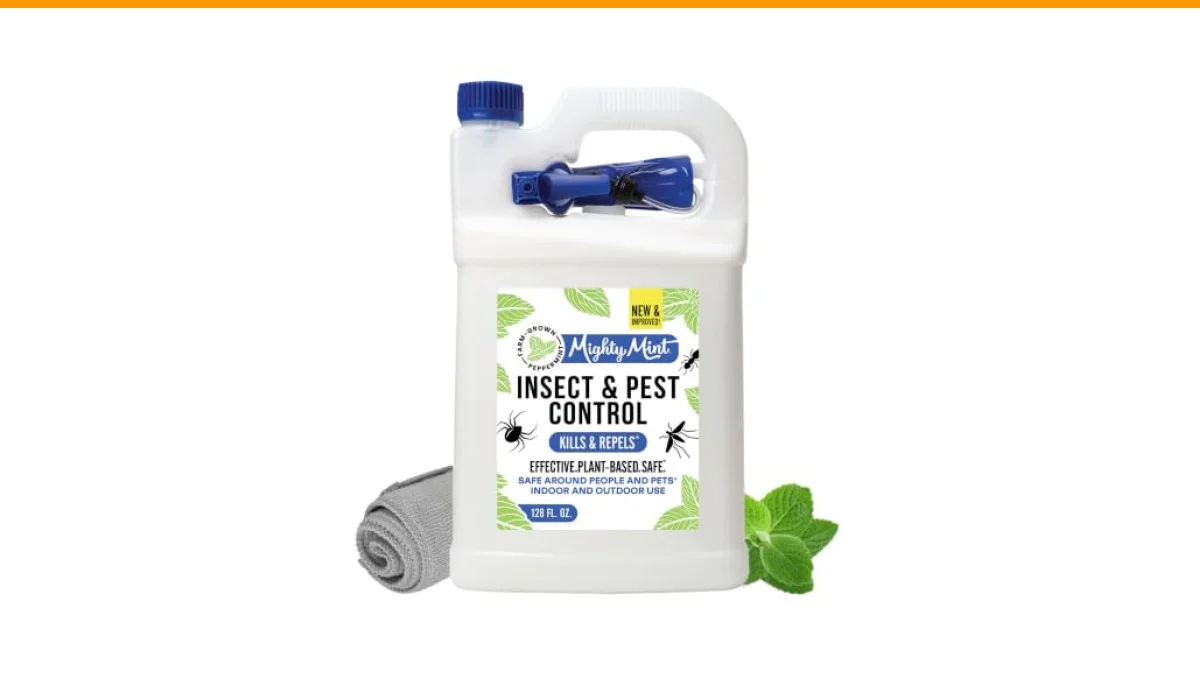
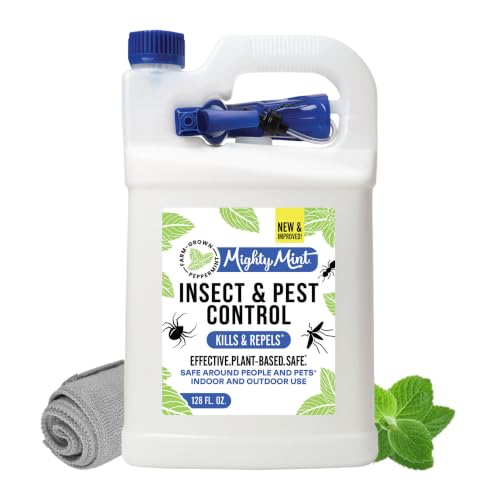
Mighty Mint Peppermint Oil Insect Repellent Spray, 1 Gallon (128 oz) | Natural Indoor & Outdoor Bug Control for Spiders, Ants, Roaches, Plant-Based, Extra-Strong Formula with Microfiber Cloth
- Pet-Friendly & Family-Safe Formula – Mighty Mint is a top pick for pet parents looking for a natural, pest control solution. Safe…
- Powerful Plant-Based Pest Control – Formulated with extra-concentrated peppermint oil, this natural spray is a proven deterrent fo…
- Effective Indoor & Outdoor Use – Designed for versatile application on baseboards, entryways, patios, and other areas. Helps repel…
One helpful product you might consider is the Mighty Mint Peppermint Oil Insect Repellent Spray. This natural pest control solution is safe for use around pets and children, making it a reliable choice for organic gardening. Its concentrated peppermint oil effectively deters various pests, including squash bugs.

Understanding Squash Bugs
Squash bugs, primarily Anasa tristis, are a type of true bug known for their destructive feeding habits. They typically feed on squash, pumpkins, and cucumbers. Both adults and nymphs suck sap from the plants, leading to yellowing leaves, wilting, and even plant death if left unchecked. Understanding their life cycle is crucial for effective management:
- Eggs: Laid in clusters on the undersides of leaves, they hatch in about one week.
- Nymphs: Newly hatched bugs are small and greenish, gradually developing into adults.
- Adults: They are dark brown to black and about 0.5 inches long, recognizable by their flat bodies.
Effective Organic Methods to Stop Squash Bugs
Here are several organic strategies to keep squash bugs at bay:
- Handpicking: Regularly inspect your plants, especially the undersides of leaves, and remove any visible eggs, nymphs, or adults. This method is labor-intensive but effective.
- Row Covers: Use floating row covers to protect young plants from adult squash bugs. Ensure to remove the covers when plants bloom to allow for pollination.
- Companion Planting: Planting certain herbs like marigolds, nasturtiums, or radishes near your squash can deter squash bugs. These plants attract beneficial insects that prey on squash bugs.
- Neem Oil: A natural pesticide derived from the seeds of the neem tree, neem oil disrupts the life cycle of squash bugs. Mix 2 tablespoons of neem oil with 1 gallon of water and spray it on affected plants every 7-14 days.
- Insecticidal Soap: A mixture of soap and water (2 tablespoons of mild soap in 1 gallon of water) can effectively suffocate squash bugs. Spray directly on the insects, covering both sides of leaves.
- Essential Oils: Certain essential oils, like peppermint, can repel squash bugs. The Mighty Mint Peppermint Oil Insect Repellent Spray is an excellent option for this purpose.
Comparison of Organic Methods to Stop Squash Bugs
| Method | Effectiveness | Ease of Use | Cost |
|---|---|---|---|
| Handpicking | Moderate | Easy | Low |
| Row Covers | High | Moderate | Medium |
| Companion Planting | Moderate | Easy | Low |
| Neem Oil | High | Moderate | Medium |
| Insecticidal Soap | High | Easy | Low |
| Essential Oils | Moderate | Easy | Medium |
Frequently Asked Questions
1. How do I know if I have a squash bug problem?
Look for yellowing leaves, wilting plants, and visible squash bugs or their eggs on the undersides of leaves. You may also see dark spots on the leaves where the bugs have fed.
2. Can I use chemical pesticides on my squash plants?
While chemical pesticides can be effective, they often harm beneficial insects and the environment. Organic methods are safer for both your plants and surrounding ecosystems.
3. What time of year are squash bugs most active?
Squash bugs are most active in late spring through summer. Monitoring your plants during this time is essential for early detection.
4. Can squash bugs kill my plants?
Yes, if left untreated, squash bugs can cause significant damage, leading to plant death. Early intervention is crucial for plant survival.
5. Are there any natural predators of squash bugs?
Yes, certain beneficial insects, like ladybugs and parasitic wasps, can help control squash bug populations. Encouraging these predators in your garden can provide natural pest control.
Final Tips for Managing Squash Bugs
- Regularly inspect your plants for early signs of squash bugs.
- Use multiple organic methods for greater effectiveness.
- Maintain plant health through proper watering and fertilization.
- Rotate crops each year to disrupt pest life cycles.
- Consider planting resistant varieties when available.
- Dispose of infested plant debris to prevent the spread of pests.
- Educate yourself about beneficial insects and encourage them in your garden.