Effective Methods to Raise Soil pH in Your Lawn
Contents
Many homeowners face the challenge of maintaining a lush, green lawn. One critical factor that can influence the health of your grass is soil pH. If your lawn isn’t thriving, you might wonder, “Is my soil too acidic?” This can lead to nutrient deficiencies, poor grass growth, and a lawn that’s not as vibrant as it should be. Fortunately, raising soil pH is a manageable task, and with the right knowledge, you can transform your lawn.
This article will cover effective methods to raise soil pH, helping you understand when and how to implement these techniques. You’ll learn about various materials you can use, their effectiveness, and other practical tips for maintaining a healthy lawn.

SONKIR
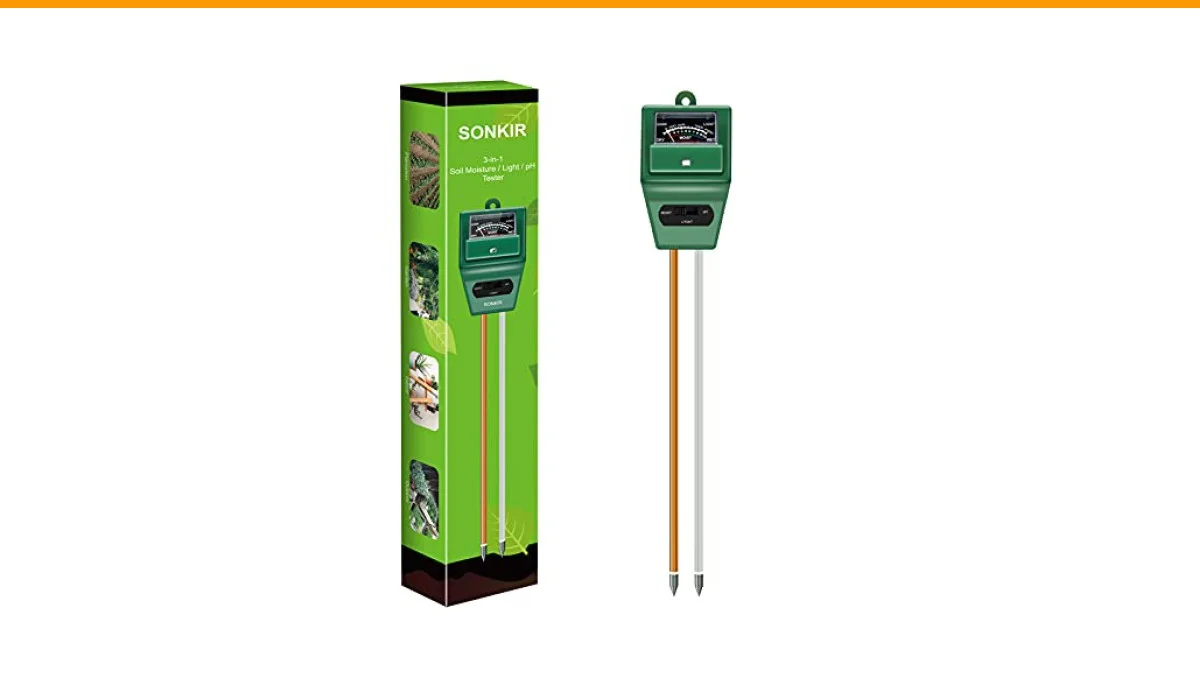
SONKIR Soil pH Meter, MS02 3-in-1 Soil Moisture/Light/pH Tester Gardening Tool Kits for Plant Care, Great for Garden, Lawn, Farm, Indoor & Outdoor Use (Green)
- Kindly NOTE: This soil tester can not be applied to test pH value of any other liquid. If the soil is too dry the indicator will n…
- 3 METERS IN ONE: Soil moisture level, Soil pH value and Sunlight level could be tested easily according to your need by switching…
- NO BATTERY NEEDED: Simply insert the meter into soil, wait few minutes, accurate test results will be displayed on the readout pan…
To get started, consider using a reliable tool for measuring soil pH. The SONKIR Soil pH Meter is a great option. This handy device allows you to check not only soil pH but also moisture levels and sunlight exposure, giving you a comprehensive view of your lawn’s health.
Understanding Soil pH
Soil pH measures how acidic or alkaline your soil is, with a scale ranging from 0 to 14. A pH of 7 is neutral, below 7 is acidic, and above 7 is alkaline. Most grasses thrive in a pH range of 6 to 7.5. If your lawn’s pH is below 6, it may hinder nutrient availability, making it vital to address this issue.
Why does soil pH matter? Acidic soils can lead to nutrient deficiencies, affecting grass color and growth. Nutrients like nitrogen, phosphorus, and potassium are often less available in acidic conditions. So, knowing your soil pH is the first step.
Methods to Raise Soil pH
When it comes to how to raise soil pH in a lawn, several methods can be effective. Here’s a breakdown of the most common approaches:
- Lime Application: The most popular method for raising soil pH is applying lime, specifically agricultural lime (calcium carbonate) or dolomitic lime (which contains magnesium as well). Lime works by reacting with soil acidity, effectively neutralizing it.
- Wood Ash: If you have a fireplace, wood ash can serve as a natural liming agent. It contains potassium and calcium, which can help raise pH. Use it sparingly, as too much can lead to overly alkaline soil.
- Compost: Well-aged compost can also help improve soil structure and raise pH. It adds organic matter, which can buffer soil pH fluctuations.
- Gypsum: While gypsum itself doesn’t raise pH, it can improve soil structure and drainage, making it easier for plants to absorb nutrients. Its calcium content can also help balance soil acidity over time.
How Much Lime Should I Use?
The amount of lime needed depends on your current soil pH and the desired pH level. Conduct a soil test first. A general rule of thumb is to apply about 50 to 100 pounds of lime per 1,000 square feet of lawn if your pH is 5.5 or below. However, always refer to specific soil test recommendations for accuracy.
Timing Your Applications
When considering how to raise soil pH in a lawn, timing is crucial. The best time to apply lime is during the fall or early spring. This allows the lime to interact with the soil over the winter months or before the growing season begins. Avoid applying lime during periods of heavy rainfall or when the ground is frozen, as this can hinder absorption.
Practical Steps to Monitor pH Changes
After you’ve raised your soil pH, monitoring is essential to ensure the conditions remain favorable for your lawn. Regularly test your soil every 1-3 years, depending on the soil type and grass variety. This will help you assess if additional amendments are necessary.
Using the SONKIR Soil pH Meter can simplify this process. Its compact design and ease of use make it suitable for both indoor and outdoor applications.
Comparing Methods for Raising Soil pH
| Method | Effectiveness | Time to See Results | Cost |
|---|---|---|---|
| Lime | Very effective | 3-6 months | Moderate |
| Wood Ash | Moderately effective | 3-4 months | Low (if available) |
| Compost | Effective | 6-12 months | Low to Moderate |
| Gypsum | Limited effect on pH | 3-6 months | Moderate |
Common Questions About Raising Soil pH
How do I know if my soil is too acidic?
Signs of acidic soil include poor grass growth, yellowing leaves, and moss or weed invasion. A soil test can confirm the pH level.
Can I raise pH too much?
Yes, overly alkaline soil can lead to nutrient lockout, making it difficult for plants to absorb essential nutrients. Aim for a balanced pH between 6 and 7.5.
How long does it take to raise soil pH?
Depending on the method used, you can expect results within 3 to 12 months. Lime usually takes the longest to show effects.
Is it safe to use lime around plants?
Yes, lime is safe for most plants when applied correctly. Follow recommended application rates to avoid damaging your lawn.
Can organic materials help raise soil pH?
Yes, organic materials like compost can help buffer soil pH and improve overall soil health, promoting a balanced environment for grass growth.
Final Thoughts for a Healthier Lawn
- Test your soil pH regularly to understand its needs.
- Use agricultural lime or wood ash to raise soil pH effectively.
- Apply amendments during fall or early spring for best results.
- Monitor soil pH changes over time to maintain optimal conditions.
- Consider using the SONKIR Soil pH Meter for ease and accuracy.
- Incorporate organic matter like compost to improve soil structure and health.
- Consult local agricultural extension offices for tailored advice based on your region.