How to Lower Soil pH in a Lawn
Contents
Understanding Soil pH in Your Lawn
Many homeowners notice their lawns struggling with growth, color, and overall health. One common culprit is soil pH, which measures how acidic or alkaline your soil is. A pH level between 6.0 and 7.0 is ideal for most grasses. However, if your soil is too alkaline (above 7.0), it can hinder nutrient absorption, leading to poor lawn quality. Understanding how to lower soil pH can transform your lawn into a vibrant green space.
This article will guide you through practical methods for lowering soil pH effectively. You’ll learn about the benefits of acidic soil, how to test your soil pH, and various strategies to achieve the desired levels. By the end, you’ll have a comprehensive understanding and actionable steps to improve your lawn’s health.
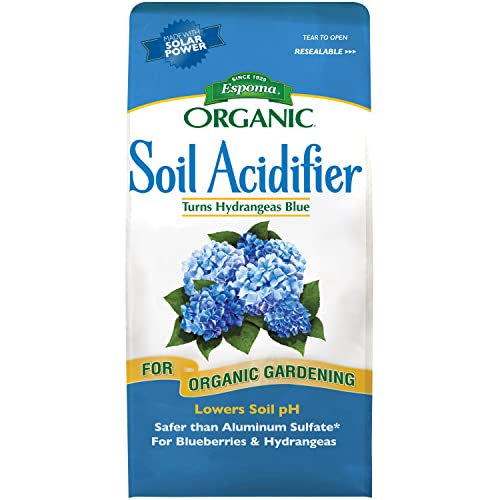
Espoma
Espoma Organic Soil Acidifier Soil Amendment; Lowers Soil pH and Turns Hydrangeas Blue! Contains Elemental Sulfur and can be Used for Organic Gardening 6 lb. Bag - Pack of 1
- FOR USE ON: For all Acid-loving plants; Use Espoma Organic Soil Acidifier for azaleas, hydrangeas, rhododendrons, blueberries, eve…
- TURNS HYDRANGEAS BLUE: Turn Mophead & Lacecap hydrangeas blooms to an electric blue by adding Soil Acidifier and lowering soil pH
- CONTAINS: Soil Acidifier contains elemental sulfur and gypsum
One effective solution for this is the Espoma Organic Soil Acidifier. This product contains elemental sulfur and gypsum, making it a great choice for lowering soil pH while supporting organic gardening practices. It’s particularly useful for acid-loving plants like azaleas and blueberries, and can even help turn hydrangeas blue.
Testing Your Soil pH
Before taking any steps to adjust your soil pH, testing is essential. You can use a soil pH meter or a DIY home test kit available at garden centers. The process is straightforward:
- Collect soil samples from several spots in your lawn to ensure accuracy.
- Follow the test kit instructions or meter guidelines to determine your soil pH.
A pH reading below 6.0 indicates acidic soil, while readings above 7.0 show alkaline conditions. Knowing your starting point will help you decide on the best approach to lower soil pH.
Methods to Lower Soil pH
There are several effective methods for lowering soil pH. Here are some of the most common approaches, along with their benefits and considerations:
- Elemental Sulfur: This is one of the most popular choices for lowering soil pH. When sulfur is applied, soil bacteria convert it into sulfuric acid, which gradually lowers pH. Typically, you need to apply about 0.1 to 0.2 pounds of elemental sulfur per square foot of soil to reduce pH by one unit.
- Organic Matter: Incorporating compost or well-rotted manure can help lower soil pH over time. Organic matter improves soil structure and fosters microbial activity, which can naturally acidify the soil. This method is slower but beneficial for long-term soil health.
- Iron Sulfate: This is a quicker option compared to elemental sulfur, as it acts faster in lowering pH. However, the effects may not last as long. A standard application is around 1 to 2 pounds per 100 square feet.
- Pine Needles or Sawdust: These materials can be added to the soil to help acidify it. They break down slowly and can improve soil acidity over time. However, their effect is mild and may take a while to notice.
Comparison of Methods
| Method | Speed of Action | Longevity | Application Rate |
|---|---|---|---|
| Elemental Sulfur | Moderate | Long-term | 0.1 – 0.2 lbs/sq ft |
| Organic Matter | Slow | Very long-term | Variable |
| Iron Sulfate | Fast | Short to moderate | 1 – 2 lbs/100 sq ft |
| Pine Needles/Sawdust | Very slow | Long-term | Variable |
Frequently Asked Questions
How often should I test my soil pH?
Testing every 1-3 years is generally sufficient. Regular testing ensures that you can monitor changes and adjust your soil treatment accordingly.
Can I lower soil pH too much?
Yes, lowering pH excessively can lead to overly acidic conditions, which can harm grass and other plants. Aim for a pH between 6.0 and 7.0 for optimal growth.
How long does it take for sulfur to lower soil pH?
It can take several weeks to months for sulfur to effectively lower soil pH, depending on soil conditions and microbial activity.
Will lowering soil pH affect my lawn’s color?
Absolutely. Lowering soil pH can result in greener and healthier grass, as it enhances nutrient availability.
Is it safe to use chemical amendments?
Chemical amendments like iron sulfate are generally safe if used as directed. However, always follow the manufacturer’s guidelines and consider organic options if you prefer a natural approach.
Actionable Steps for Your Lawn
- Test your soil pH to know the starting point.
- Decide on the most suitable method to lower soil pH based on your needs.
- Use elemental sulfur or organic matter for effective long-term solutions.
- Monitor your lawn’s health and pH levels regularly.
- Consider using the Espoma Organic Soil Acidifier for a reliable, organic option.
- Be patient; adjustments may take time to show results.
- Engage with a local garden center for tailored advice on your lawn type.